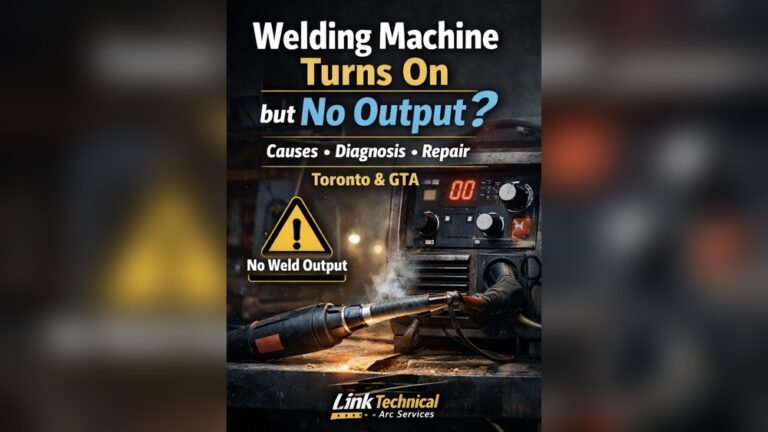
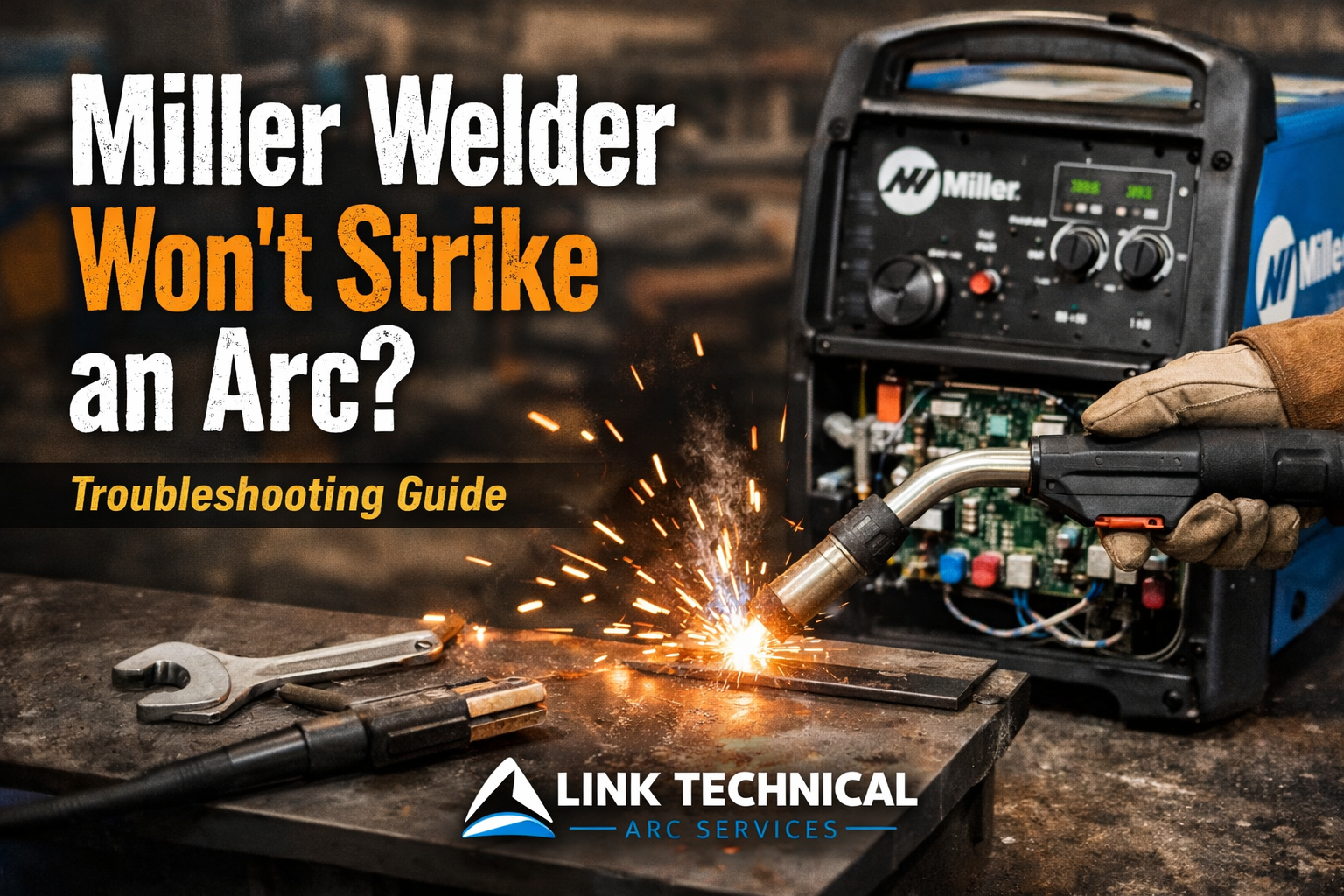
A welder that powers up, runs its fan, but will not strike an arc can be deeply frustrating. This problem not only halts your work but also signals something more than a basic issue. Understanding why the welder fan runs but no arc appears can help you solve the problem faster and avoid unnecessary repair costs. Let’s look at why this happens, how to troubleshoot it, and what actions you should take for safety and reliability.
What Does “fan Runs But No Arc” Mean?
When you switch on your welder, the cooling fan starts spinning. This means the machine is getting power, but when you try to weld, nothing happens—no spark, no heat, just silence. For many, this is confusing. The fan is proof that electricity is reaching the welder, so why isn’t it working?
Welder fans are usually connected to the main power circuit, but the actual welding current goes through a different path. If there is a problem in this pathway, the fan will run, but the arc won’t form.
Common Causes Of No Arc With Fan Running
Several reasons can explain this issue. Here are the most likely ones:
- Blown main fuse or circuit breaker: The fan uses less power than welding. Sometimes, a fuse for the main output blows, but the fan’s fuse is still fine.
- Faulty power switch or relay: A relay inside the welder could be stuck or broken, allowing the fan to run, but not the welding side.
- Defective control board: Many modern welders have a circuit board controlling the arc. If this fails, you get no arc.
- Damaged transformer or rectifier: The part that changes electricity into welding power can fail, stopping the arc but not the fan.
- Loose or broken connections: Internal wires may be disconnected, especially if the welder was dropped or stored badly.
- Poor ground clamp connection: If your ground clamp is rusty, dirty, or loose, the circuit isn’t complete, and no arc will form.
- Bad electrode holder or cable: Damaged cables or holders can prevent the current from reaching your workpiece.
- Open thermal or safety switch: Welders have thermal cut-offs to prevent overheating. If these stay open, the machine won’t weld.
- Low input voltage: If your supply voltage is too low, the welder may power its fan but not produce an arc.
Example
Suppose you have a 220V MIG welder. The fan spins, but there’s no arc. You check and see the ground clamp is covered in paint, making a poor connection. Cleaning the clamp and the workpiece could solve the problem instantly.

Credit: www.lac-mac.com
How To Troubleshoot: Step-by-step
Troubleshooting a welder with a running fan but no arc is about checking the most common, simple issues first, then moving to more complex ones. Here’s a logical approach:
- Inspect all power cables and plugs for damage or loose connections.
- Check the ground clamp and make sure it’s clean and attached to bare metal.
- Test the electrode holder and cable for breaks or burns.
- Check the input voltage using a multimeter to ensure it matches the welder’s needs.
- Examine fuses and breakers both inside the welder and on your workshop’s power supply.
- Open the welder case (if safe and unplugged) and look for burnt smells, loose wires, or obvious damage.
- Look at the control board for burnt spots or swollen components.
- Test the thermal switch by letting the welder cool fully, then trying again.
- Listen for relays clicking when you pull the trigger; no sound may mean a relay problem.
Practical Tips
- Always unplug the welder before opening the case.
- Use insulated tools.
- Take photos before removing any wires.
Comparison: Arc Problems Vs. Other Welder Issues
Understanding the difference between a “no arc” situation and other common welder problems can help you diagnose faster.
| Problem | Fan Running? | Arc? | Likely Causes |
|---|---|---|---|
| No power at all | No | No | Main power issue, dead switch |
| Fan runs, no arc | Yes | No | Output circuit fault, bad ground, open relay |
| Fan and weak arc | Yes | Weak | Low voltage, bad connections |
Internal Welder Parts That Affect The Arc
Knowing which parts actually deliver welding power is helpful. Here’s a breakdown:
| Part | Function | Effect If Fails |
|---|---|---|
| Transformer | Steps voltage up or down | No arc |
| Rectifier | Converts AC to DC | No/weak arc |
| Control board | Manages all functions | No response, no arc |
| Relay/Contactor | Connects welding circuit | No arc |
| Thermal switch | Stops overheating | No arc when open |
When To Seek Professional Repair
Some repairs are safe for DIY, but others need a technician. If you find:
- Burnt smells or melted parts inside
- No visible problems, but still no arc
- Error codes on digital welders
- Repeated fuse blows
It’s safer to contact a qualified repair shop. Opening and repairing high-voltage welders yourself can be dangerous.

Credit: www.amazon.com
Preventing “fan Runs But No Arc” Issues
Prevention is easier than repair. Here’s what you can do:
- Regularly clean and tighten the ground clamp and cables.
- Store the welder in a dry place to avoid corrosion.
- Run the welder on the correct input voltage.
- Avoid overloading—give the machine time to cool.
- Check for loose wires every few months.
Many “no arc” issues are caused by simple neglect or poor maintenance. Making a quick inspection part of your routine can save hours of downtime.
Non-obvious Insights
Some beginners think that because the fan is running, every part of the welder is getting power. In reality, the fan is often on a separate circuit. Also, many skip checking the ground clamp, but a poor ground is a leading cause of “no arc” problems—especially with old or painted metal surfaces.
Another overlooked tip: Some modern welders have internal hidden fuses that protect the output circuit. If you don’t check your manual, you might not even know they exist.
For more in-depth technical details, you can visit the Arc welding page on Wikipedia.
Credit: www.weldingmachinerepair.ca
Frequently Asked Questions
Why Does My Welder’s Fan Run But No Arc Forms?
This usually means there’s a problem in the output circuit. The fan is on a different circuit and can run even when the main welding parts are not working.
Can A Bad Ground Clamp Stop The Arc?
Yes, if the ground clamp is dirty, rusty, or not touching bare metal, the circuit won’t complete and you won’t get an arc.
Should I Open My Welder To Check Inside?
Only if you’re comfortable and have unplugged the welder. High voltage can stay inside even after turning it off. If unsure, call a professional.
What Does A Thermal Switch Do?
A thermal switch stops the welder from working if it gets too hot. If stuck open, your fan may run but the arc will not form.
Is Low Input Voltage A Common Cause?
Yes, if the voltage is too low, the fan might run but there’s not enough power to strike an arc. Always check your power supply matches your welder’s needs.
If your welder’s fan runs but no arc appears, don’t panic. Start with simple checks, follow safety rules, and you’ll often find the solution is easier than you think. If in doubt, reach out to a certified technician. Proper care and regular checks can keep your welder working and your projects on track.