
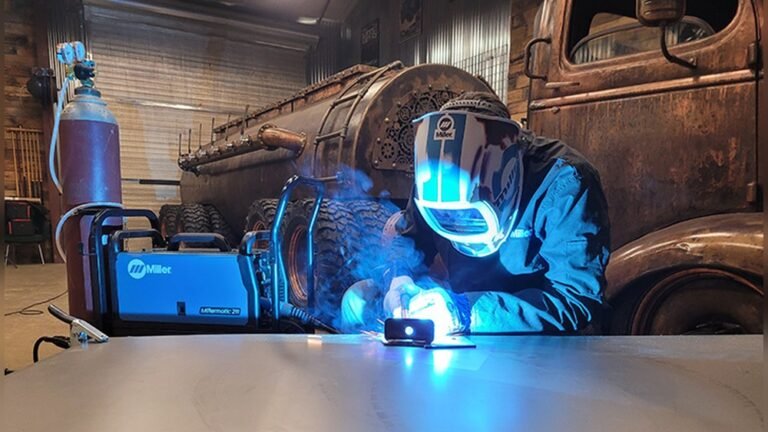
Many welders start with MIG welding because it’s fast, flexible, and easy to learn. But choosing the right MIG welding gas type is confusing for beginners and even some experienced welders. The gas you use affects weld quality, speed, and cost. Picking the wrong gas can cause weak welds, spatter, or even costly mistakes. This guide will help you understand all the common MIG welding gases, their uses, and how to select the best one for your projects.
Why Shielding Gas Matters In Mig Welding
MIG welding, or Metal Inert Gas welding, uses a shielding gas to protect the molten metal from air. Without shielding gas, oxygen and nitrogen in the air cause defects like porosity, weak welds, and excess spatter. The right gas creates a smooth, strong weld and makes the process easier.
There are several types of shielding gases, each with their own advantages. The choice depends on your metal, weld strength, cost, and finish quality.
Main Types Of Mig Welding Gas
Let’s look at the most common gases used for MIG welding. Each gas has unique properties and is suited for certain tasks.
| Gas Type | Main Use | Features |
|---|---|---|
| Argon | Aluminum, Stainless Steel | Clean, smooth welds |
| Carbon Dioxide | Mild Steel | Deep penetration, high spatter |
| Argon-CO2 Mix | Mild Steel, Stainless Steel | Balanced welds, less spatter |
| Helium | Aluminum, Copper | High heat, fast welds |
| Oxygen (small %) in mix | Special applications | Improves arc stability |
1. Argon
Argon is an inert gas. It doesn’t react with metals, so it produces a clean, stable arc. It’s used mostly for aluminum and stainless steel. Pure argon is rare for steel, but popular for non-ferrous metals.
2. Carbon Dioxide
CO2 is cheap and common. It’s used for mild steel welding. CO2 gives deep penetration but causes more spatter and rougher welds. Many hobbyists and small shops use pure CO2 because it’s affordable.
3. Argon-co2 Mixtures
The most popular mix is 75% Argon, 25% CO2. This blend gives a smooth arc, less spatter, and better weld control. It works well for mild steel and is used in both industry and home shops.
| Mix Ratio | Weld Quality | Best For |
|---|---|---|
| 100% CO2 | Rougher, more spatter | Thick steel, budget jobs |
| 75% Argon / 25% CO2 | Smoother, less spatter | General steel welding |
| 90% Argon / 10% CO2 | Very smooth, less penetration | Thin steel, automotive |
4. Helium
Helium is rarely used alone. It’s often mixed with argon for welding aluminum and copper. Helium increases heat input, which helps weld thick materials faster, but it’s expensive.
5. Oxygen (low Concentration)
A small amount (1-5%) of oxygen is sometimes added to argon for special tasks. Oxygen improves arc stability and fluidity for certain steels, but too much causes oxidation and weakens the weld.

Credit: unimig.com.au
Choosing The Right Mig Welding Gas
Choosing the best gas depends on your project. Here’s how to make the right choice:
- Material Type: Use argon for aluminum, argon-CO2 mix for steel, and helium mix for copper.
- Weld Strength: CO2 gives deeper penetration for thick steel. Argon-CO2 mixes balance strength and finish.
- Cost: Pure CO2 is cheapest. Argon and helium are more expensive but produce higher-quality welds.
- Finish Quality: Argon and argon-rich mixes produce cleaner welds with less spatter.
| Gas | Average Cost (per cylinder) | Spatter Level |
|---|---|---|
| CO2 | $20-$40 | High |
| 75/25 Argon/CO2 | $40-$70 | Low |
| Argon | $60-$100 | Very low |
| Helium | $100-$150 | Very low |
Non-obvious insight: Gas flow rate matters. Too much gas doesn’t improve weld quality—it actually wastes money and can cause turbulence, pulling in air. For most jobs, 20-25 cubic feet per hour is enough.
Another insight: The cylinder size affects cost. Large cylinders are cheaper per cubic foot but harder to store. Small shops often buy medium tanks for flexibility.
Common Mistakes When Choosing Mig Welding Gas
Many beginners make simple errors:
- Using pure CO2 for thin steel, causing burn-through or excess spatter.
- Picking argon for steel, resulting in weak welds.
- Overpaying for helium when argon-CO2 works just as well.
Test different gases on scrap metal before starting your project. Always check your weld quality and adjust gas as needed.

Credit: www.thefabricator.com
Safety And Storage Tips
Always handle welding gases with care:
- Store cylinders upright and secure them.
- Keep gases away from heat, flames, and sparks.
- Check hoses and regulators for leaks before use.
For more safety guidance, see the OSHA welding safety page.
Frequently Asked Questions
What Is The Best Gas For Mig Welding Mild Steel?
75% Argon, 25% CO2 is the most popular. It balances weld quality, strength, and cost. Pure CO2 is cheaper but causes more spatter.
Can I Weld Aluminum With Co2?
No. CO2 is reactive and will cause poor welds on aluminum. Use pure argon for aluminum MIG welding.
How Much Shielding Gas Do I Need?
Most jobs need 20-25 cubic feet per hour. Too much gas doesn’t help and wastes money. Adjust flow based on your nozzle size and environment.
Is Helium Worth The Extra Cost?
Helium is best for thick aluminum or copper. It increases heat and speeds up welding, but is expensive. For most jobs, argon or argon mixes are better.
Can I Mix My Own Welding Gases?
It’s not recommended. Mixing gases needs special equipment and safety training. Buy premixed cylinders from trusted suppliers.
Choosing the right MIG welding gas type makes all the difference in your welding results. Understand your material and project needs, and experiment to find what works best for you. With the right gas, your welds will be stronger, cleaner, and more professional.
Credit: www.millerwelds.com