
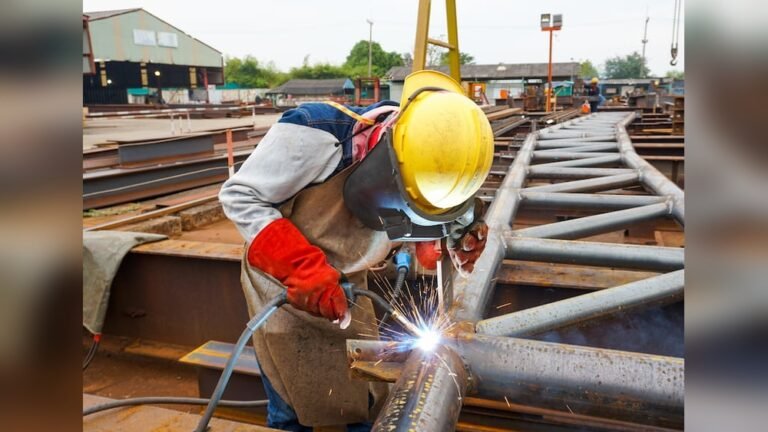
Flux cored arc welding (FCAW) wire is a game-changer for many welding professionals and hobbyists. It gives you strong welds, works fast, and can handle tough jobs in construction, shipyards, and repairs. But what makes this wire so special? And how can you choose the right one for your project?
Let’s break down everything you need to know about flux cored arc welding wire, from how it works to key buying tips.
What Is Flux Cored Arc Welding Wire?
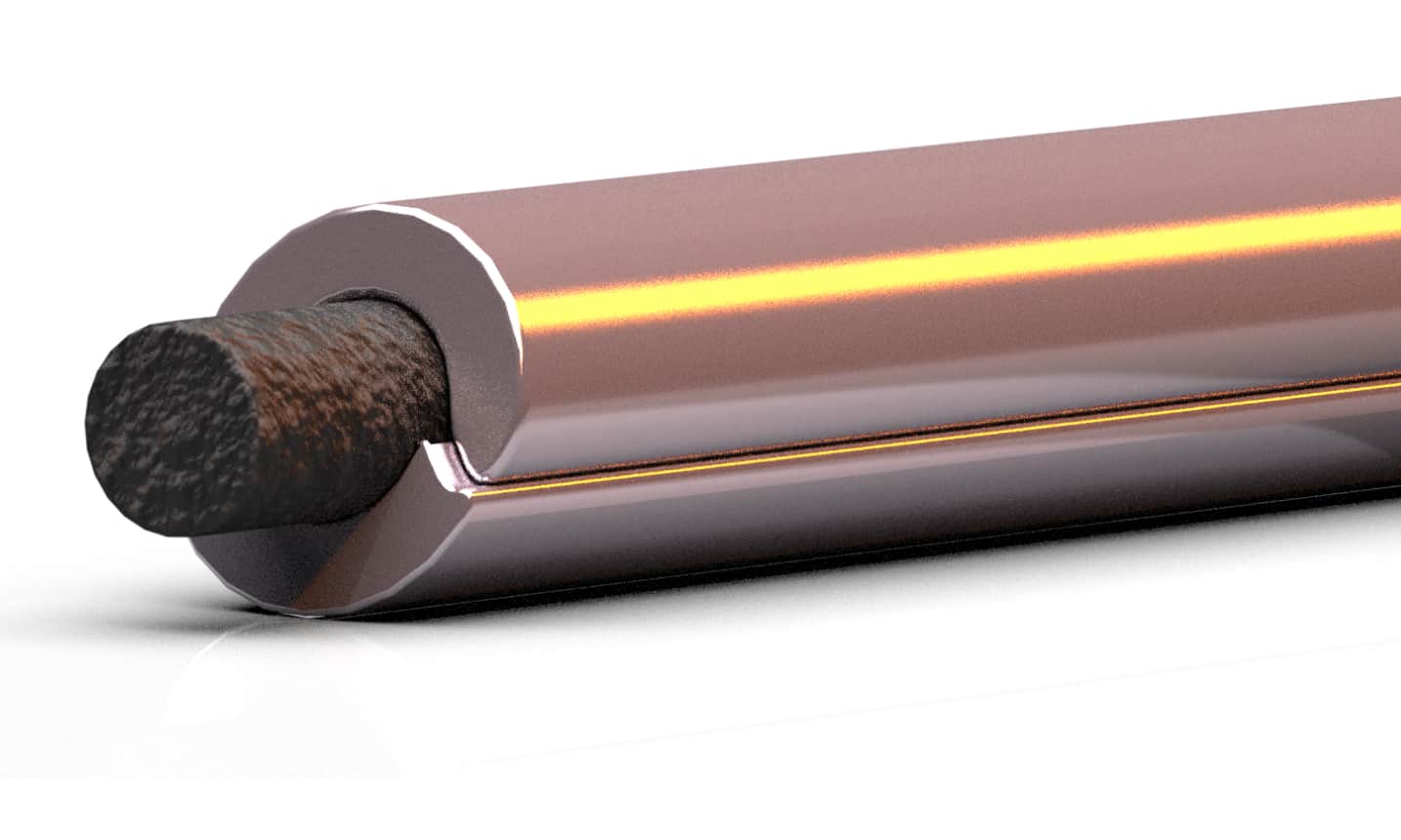
Flux cored arc welding wire is a tubular wire filled with flux material. Unlike solid wire, this wire has a hollow center packed with special powders. When heated, the flux melts and creates a protective gas shield around the weld. This means you can often weld outdoors, in windy conditions, or where using a gas cylinder is not practical.
FCAW wire is popular for:
- Thick metal welding (like steel beams)
- Outdoor repairs
- Speedy production lines
Types Of Flux Cored Arc Welding Wire
There are two main types of FCAW wire, each with unique strengths and best-use scenarios.
| Type | Shielding | Common Uses |
|---|---|---|
| Self-Shielded (FCAW-S) | Built-in flux only | Outdoor, construction, repairs |
| Gas-Shielded (FCAW-G) | Flux + external gas | Manufacturing, shipbuilding, pipelines |
- Self-shielded FCAW wire creates its own shield. No external gas tank is needed, making it portable and great for fieldwork.
- Gas-shielded FCAW wire uses an extra gas (like CO₂ or argon) for even better weld quality. It’s common in factories or controlled environments.
Credit: weldguru.com
How Flux Cored Arc Welding Wire Works
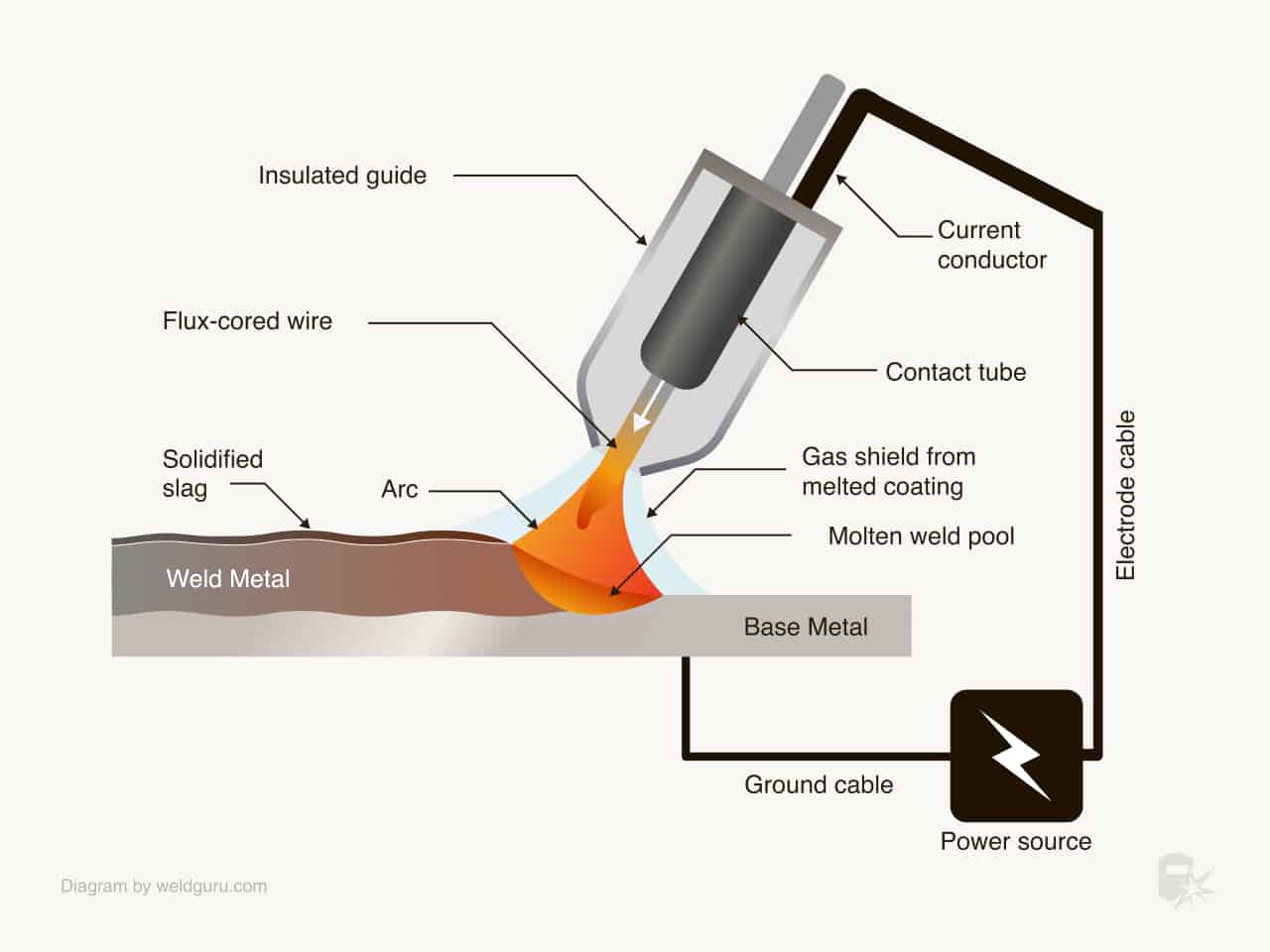
When the wire feeds through the welding gun, the electric arc melts both the wire and the base metal. The flux inside the wire burns, producing:
- Shielding gas to protect the weld pool from oxygen and nitrogen in the air.
- Slag that covers the weld, preventing contamination as the metal cools.
This process allows for deep penetration and strong welds, even when the metal is dirty or rusty.
Key Benefits Of Using Fcaw Wire
Flux cored arc welding wire offers several advantages over other welding methods:
- High deposition rate: You can lay down more metal in less time.
- Good for thick materials: It’s ideal for steel thicker than 1/4 inch.
- Works in windy/outdoor conditions: Especially self-shielded types.
- Tolerates dirty/rusty surfaces: The flux cleans as it welds.
- Less need for pre-cleaning: Saves time on big jobs.
For example, many bridge and building projects rely on FCAW wire because it stays reliable even when the weather is less than perfect.

Credit: fractory.com
Choosing The Right Fcaw Wire
Selecting the right FCAW wire is critical for weld quality and safety. Here are the top factors to consider:
| Factor | Why It Matters |
|---|---|
| Wire Diameter | Must match your welder and metal thickness |
| Material Compatibility | Choose the wire alloy for your base metal |
| Shielding Type | Self-shielded for outdoors; gas-shielded for clean environments |
| Welding Position | Some wires are better for overhead or vertical welds |
| Required Strength | Pick a wire that meets your job’s strength specs |
Common Mistake: Many beginners buy wire based only on price. This can lead to poor weld quality or even equipment damage. Always match the wire to your welder’s specs and your job’s needs.
How To Use Flux Cored Arc Welding Wire
Getting the best results from FCAW wire involves more than just feeding it through the gun. Here’s a step-by-step overview:
- Set up your welder: Install the right drive rollers and polarity (usually DCEN for self-shielded, DCEP for gas-shielded).
- Choose correct wire size: Thicker metal needs thicker wire.
- Adjust voltage and wire speed: Follow wire packaging or manufacturer’s chart.
- Clean the work area: Remove loose rust and oil for best results, even if the wire is forgiving.
- Weld with proper technique: Use a slight drag or push angle, depending on the wire type.
- Chip off slag: After welding, remove the slag to see the finished bead.
Pro Tip: Always do a test weld on scrap metal first. This helps you dial in settings and avoid surprises.
Credit: weldguru.com
Flux Cored Arc Welding Wire Vs. Mig Wire
Many people confuse FCAW with MIG welding because both use a wire feed. However, they have important differences.
| Aspect | FCAW Wire | MIG Wire (GMAW) |
|---|---|---|
| Shielding | Flux (with or without gas) | External gas only |
| Outdoor Use | Excellent (self-shielded) | Poor (wind blows away gas) |
| Metal Thickness | Thicker materials | Thinner materials |
| Spatter/Slag | More slag, moderate spatter | Less slag, less spatter |
Safety And Handling Tips
Welding can be dangerous without proper precautions. Here’s how to stay safe with FCAW wire:
- Wear eye and skin protection: Always use a welding helmet, gloves, and long sleeves.
- Ventilate your workspace: Flux produces fumes—use fans or work outdoors.
- Handle wire carefully: The wire can be sharp and springy.
- Store in a dry place: Moisture can ruin flux and cause poor welds.
A common oversight: Many users forget that self-shielded wire still produces harmful fumes. Never weld in a closed, unventilated area.
Frequently Asked Questions
What Metals Can I Weld With Fcaw Wire?
FCAW wire is best for carbon steel and low-alloy steel. Some specialty wires can weld stainless steel or hardfacing, but always check the wire’s packaging for compatibility.
Do I Need Shielding Gas With All Flux Cored Wires?
No. Self-shielded FCAW wire does not need extra gas. Gas-shielded wire requires an external gas supply. Using the wrong type can result in bad welds or equipment problems.
How Do I Know Which Wire Diameter To Use?
Check your welder’s manual and the thickness of your metal. For example, .030″ or .035″ wire is common for sheet metal, while .045″ or larger works better for structural steel.
Why Is There So Much Slag With Fcaw Wire?
Slag is formed by the flux as it protects the weld. You must chip off slag after welding to inspect your bead and prepare for painting or further welding.
Where Can I Learn More About Welding Wires?
You can find more details and technical standards on Wikipedia.
Flux cored arc welding wire is a versatile tool for anyone working with heavy metals or challenging conditions. By understanding the different types, choosing wisely, and following safe practices, you can get strong, reliable welds every time. Whether you’re on a job site or in your garage, the right FCAW wire makes tough welding tasks much easier.