
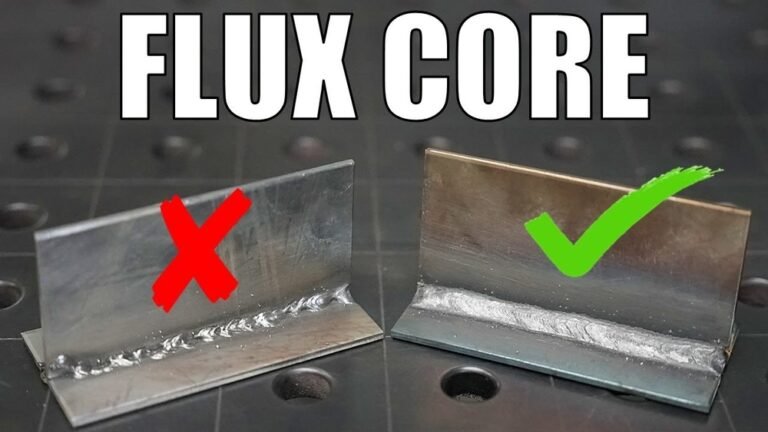
Are Flux Core Welds Good?
If you are searching for a reliable welding method, flux core welding often comes up. Many people wonder if flux core welds are strong, durable, and a good choice for their projects. You might see it used in construction, auto repair, and home DIY. Let’s explore the real strengths, weaknesses, and practical facts about flux core welds, so you can decide if they’re right for your needs.
What Is Flux Core Welding?
Flux core welding is a process that uses a special wire filled with flux. As the wire melts, the flux creates a protective shield around the weld. This shield keeps out dirt and gases from the air, which helps make a clean weld. There are two main types:
- Self-shielded (FCAW-S): No external gas needed. Works well outdoors.
- Gas-shielded (FCAW-G): Uses external gas for extra protection. Mostly used indoors.
This method is popular for its speed and flexibility. You can use it on thick steel, even when working outside in windy conditions.
Comparing Flux Core Welds To Other Methods
To understand how good flux core welds are, it helps to compare them to other common welding types. Here are two tables to show the differences.
| Welding Method | Shielding | Outdoor Use | Material Thickness |
|---|---|---|---|
| Flux Core | Flux (internal) | Excellent | Medium to thick |
| MIG | Gas (external) | Poor | Thin to medium |
| Stick | Flux (external) | Good | Medium to thick |
As you can see, flux core stands out for outdoor use and welding thicker materials. MIG welding gives a cleaner finish but struggles in windy areas.
Let’s look at another important aspect: weld strength.
| Welding Method | Tensile Strength (psi) | Typical Weld Quality |
|---|---|---|
| Flux Core | 70,000–80,000 | High, with proper technique |
| MIG | 70,000–75,000 | Very high, smooth |
| Stick | 60,000–70,000 | Good, sometimes rough |
Flux core welds can be just as strong as MIG or stick welds, especially when done correctly.
Credit: www.reddit.com
Advantages Of Flux Core Welds
Why do professionals and hobbyists use flux core welding? Here are some key benefits:
- No external gas needed: This saves money and makes setup easier.
- Works in windy conditions: The flux shielding does not blow away like gas.
- Penetrates thick steel: Ideal for heavy-duty jobs.
- Fast welding speed: Great for big projects.
- Portable equipment: Machines are smaller and lighter.
One insight many beginners miss is that flux core can actually weld through minor rust and paint. MIG welding usually requires a cleaner surface, but flux core is more forgiving. Another overlooked fact is that flux core wire often comes in bigger sizes, letting you weld deeper and faster.
Drawbacks And Challenges
Flux core welding is not perfect. Here are the main issues:
- More spatter: You will see small bits of metal flying and sticking to your work.
- Slag removal: After welding, you must chip and brush away the slag.
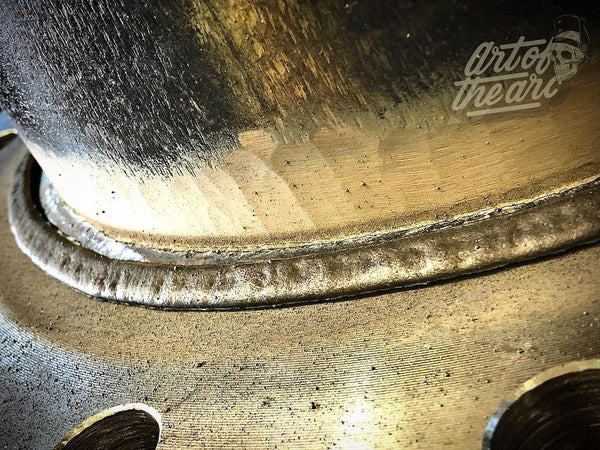
- Less smooth finish: The weld may look rough compared to MIG.
- Limited for thin metals: Not ideal for sheet metal or delicate work.
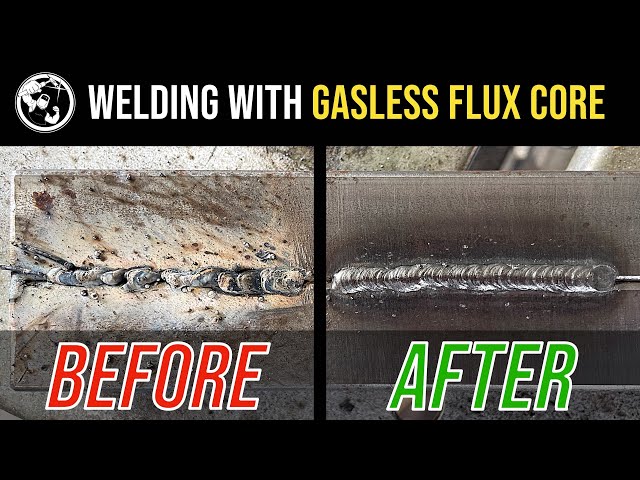
A mistake many beginners make is ignoring the need to clean the weld after finishing. If you leave the slag, the weld can look messy or even hide defects. It’s also easy to use too much voltage or wire speed, which causes more spatter and weak welds.
Credit: www.youtube.com
Where Flux Core Welds Are Used
You find flux core welds in places where strength matters and conditions are tough:
- Construction sites: Steel beams, columns, and heavy frames.
- Shipyards: Large steel hulls and structures.
- Auto repair shops: Rusty frames and thick parts.
- DIY and farm repairs: Gates, trailers, machinery.
A practical example: If you need to repair a steel gate outside in windy weather, flux core is often the best choice. It saves time and produces a strong, reliable weld.
Tips For Better Flux Core Welds
If you want good results, follow these tips:
- Clean the surface: Remove heavy rust, paint, and oil before welding.
- Adjust settings: Match wire speed and voltage to the steel thickness.
- Keep steady motion: Move at a consistent speed for even welds.
- Chip and brush slag: Always clean after welding for a smooth finish.
- Use correct wire size: Thicker wire for thick steel, thinner for lighter jobs.
Beginners often forget to change settings when moving from thin to thick steel. This can cause weak welds or too much spatter. Always check your machine and wire before starting.
How Long Do Flux Core Welds Last?
A well-made flux core weld can last for decades. The weld strength and durability depend on:
- Proper preparation
- Correct technique
- Good cleaning after welding
In heavy construction, flux core welds hold up under strong forces and outdoor weather. They can even meet strict building codes when done by skilled welders.
Frequently Asked Questions
Is Flux Core Welding Stronger Than Mig?
Flux core welds can be just as strong, especially on thick steel. MIG welds are smoother but may not handle outdoor conditions as well.
Can You Weld Aluminum With Flux Core?
No, flux core welding is mainly for steel. Aluminum needs special wire and shielding gas, usually with MIG.
Do Flux Core Welds Rust Easily?
The weld itself is strong, but if you don’t clean and protect it, it can rust. Always paint or coat outdoor welds for best results.
Is Flux Core Good For Beginners?
Yes, it is simple to start, and you don’t need gas bottles. Just remember to clean the slag after welding.
What Safety Gear Is Needed For Flux Core Welding?
Wear a welding helmet, gloves, long sleeves, and safety glasses. Flux core produces more spatter and smoke, so good protection is important.
Credit: yeswelder.com
Final Thoughts
Flux core welds are strong, durable, and practical for many jobs, especially where conditions are tough or materials are thick. While they do need extra cleaning and can look rough, their advantages make them a favorite for construction, repairs, and outdoor projects. If you follow best practices and keep your welds clean, flux core can deliver excellent results for years.
For more technical details and industry standards, you can visit the Wikipedia page on flux-cored arc welding.