
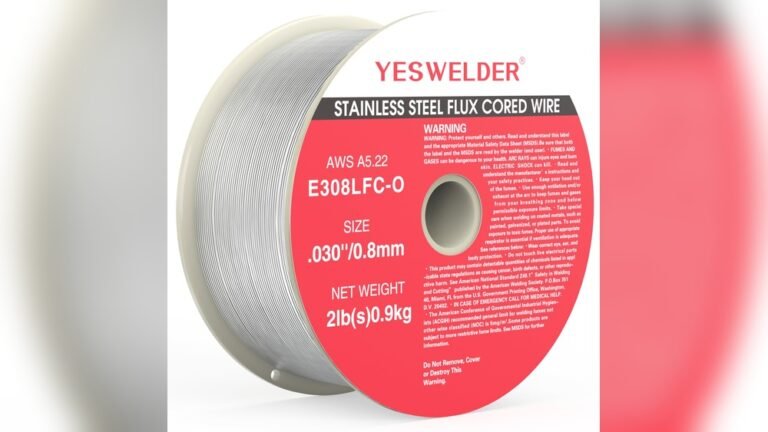
Flux Cored Wire For Stainless Steel
Welding stainless steel is important in industries like food processing, chemical plants, and construction. One solution that makes this easier is flux cored wire. This wire type lets welders create strong, clean welds, even in tough conditions. If you want to understand how flux cored wire works for stainless steel, and why it matters, you’re in the right place.
What Is Flux Cored Wire?
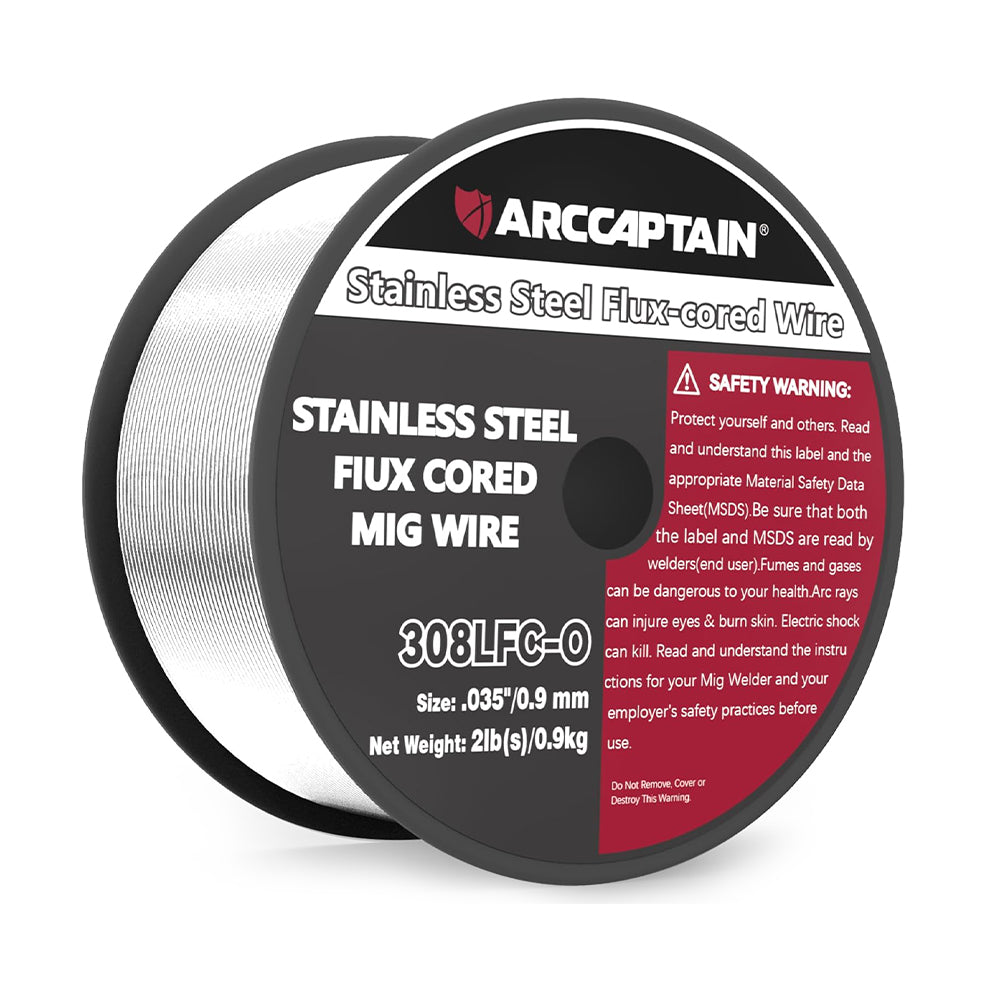
Flux cored wire is a special welding wire. It’s made with a metal sheath and filled with flux powder. When heated, the flux melts and protects the weld from air, reducing the risk of contamination. This wire is used in gas-shielded or self-shielded processes.
For stainless steel, flux cored wire is designed to match the metal’s unique properties. It helps prevent rust, keeps the weld strong, and maintains a shiny finish. Unlike solid wire, flux cored wire allows for higher deposition rates and is more forgiving when welding out of position.
Advantages Of Using Flux Cored Wire For Stainless Steel
Flux cored wire offers several clear benefits when welding stainless steel:
- High Efficiency: You can weld faster and deposit more metal in less time.
- Cleaner Welds: The flux minimizes spatter and keeps the weld free from impurities.
- Versatile Positions: Welders can use it for vertical, overhead, or horizontal joints.
- Reduced Porosity: The flux shields the weld from air, reducing holes and weak spots.
- Better Penetration: It creates deeper, stronger welds compared to many solid wires.
These advantages make flux cored wire popular for construction, shipbuilding, and pipework.

Credit: www.solarisinfra.com
Types Of Flux Cored Wire For Stainless Steel
There are several types of flux cored wire for stainless steel. Each type is suited for different needs:
| Wire Type | Shielding Gas | Common Uses |
|---|---|---|
| Gas-shielded (E308T1) | CO2 or Argon/CO2 mix | Food equipment, tanks |
| Self-shielded | None | Outdoor repairs, fieldwork |
| Specialty alloys (E316T1) | CO2 or Argon/CO2 mix | Chemical plants, marine |
Gas-shielded wires require a bottle of gas, while self-shielded wires work without extra equipment. Specialty wires are made for tough environments, like marine or chemical applications.
Choosing The Right Flux Cored Wire
Selecting the correct wire is key for good results. Here’s what to consider:
- Base Metal: Match the wire alloy to your stainless steel type (such as 304 or 316).
- Welding Position: Some wires are better for vertical or overhead joints.
- Shielding Gas Availability: If you don’t have gas equipment, choose self-shielded wire.
- Corrosion Resistance: Use specialty wires for harsh environments.
- Thickness: Pick the right wire diameter for your metal thickness.
A common mistake is using the wrong wire alloy. For example, using E308T1 wire on 316 stainless steel may lead to corrosion. Always check compatibility.
| Stainless Steel Grade | Recommended Wire | Corrosion Resistance |
|---|---|---|
| 304 | E308T1 | Standard |
| 316 | E316T1 | High |
| 321 | E347T1 | Heat-resistant |
Welding Techniques With Flux Cored Wire
To get the best results, follow these tips:
- Set the Correct Voltage and Amperage: Use manufacturer guidelines for each wire type.
- Keep Wire Dry: Moisture can cause porosity and weak welds.
- Clean the Surface: Remove oil, rust, and dirt before welding.
- Use Proper Travel Speed: Move steadily to prevent excessive spatter.
- Maintain Wire Stick-Out: Keep a 3/4-inch (about 20 mm) stick-out for stable arc.
One insight many beginners miss: flux cored wire produces more slag. Always chip away slag after each weld pass to avoid defects.
Common Problems And How To Avoid Them
Even with the right wire, mistakes happen. Here are common issues and solutions:
- Excessive Spatter: Lower the voltage or check gas flow.
- Porosity: Keep the wire dry and check for leaks in gas lines.
- Cracking: Use the correct wire for your stainless steel grade.
- Inconsistent Penetration: Maintain steady travel speed and correct wire angle.
A non-obvious tip: for outdoor welding, self-shielded flux cored wire is best. Wind can blow away shielding gas in gas-shielded wires, ruining the weld.

Credit: www.amazon.com
Cost And Performance Comparison
How Does Flux Cored Wire Compare To Other Welding Options?
| Welding Method | Speed | Cost per lb | Ease of Use |
|---|---|---|---|
| Flux Cored Wire | High | $5–$8 | Medium |
| Solid Wire MIG | Medium | $3–$6 | Easy |
| Stick Electrode | Low | $2–$4 | Hard |
While flux cored wire costs a bit more, its efficiency and versatility can save time and money in the long run.
Real-world Examples
In food factories, flux cored wire is used to weld stainless steel tanks. It creates strong, hygienic joints that resist corrosion. Shipbuilders use specialty flux cored wires for hull repairs, as these wires hold up against saltwater.
A study from the American Welding Society found that flux cored wire increased productivity by 25% compared to stick welding in stainless steel projects. This shows the value for large jobs.
If you want more technical details, visit American Welding Society.
Credit: www.arccaptain.com
Frequently Asked Questions
What Is The Difference Between Flux Cored Wire And Solid Wire?
Flux cored wire contains flux powder inside, which protects the weld and allows welding in various positions. Solid wire has no flux and needs shielding gas for protection.
Can I Use Flux Cored Wire Outdoors?
Yes, self-shielded flux cored wire works well outdoors because it doesn’t require external shielding gas.
How Do I Prevent Rust In Stainless Steel Welds?
Choose the correct wire alloy for your stainless steel. Clean surfaces before welding, and remove slag after each pass.
What Are The Main Welding Positions For Flux Cored Wire?
You can weld vertical, overhead, and horizontal joints with most flux cored wires.
Is Flux Cored Wire Suitable For Thin Stainless Steel?
Yes, but use a smaller diameter wire and lower amperage to avoid burn-through.
Flux cored wire for stainless steel offers speed, flexibility, and quality, making it a smart choice for many welding projects. With the right wire, technique, and preparation, you can achieve durable, clean welds that meet industry standards. Whether you’re working in a factory or outdoors, understanding flux cored wire gives you a strong foundation for successful stainless steel welding.