
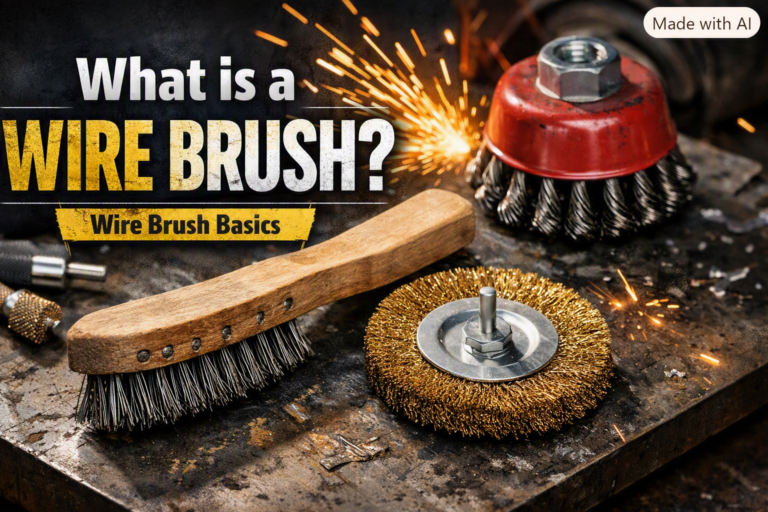
A wire brush is a versatile tool with stiff bristles made of metal wire. It’s used to clean, scrape, and shape surfaces. From removing rust and paint to preparing metal for welding or simply scrubbing stubborn dirt, a wire brush is an essential item in many workshops and homes. Understanding its different types and uses can help you choose the right one for your job.
What Is A Wire Brush?
At its core, a wire brush consists of a handle and a head filled with metal bristles. The bristles are typically made from steel, brass, or stainless steel, each offering different levels of hardness and resistance to corrosion. The handle can be made of wood, plastic, or metal, designed for a comfortable and secure grip.
The primary function of a wire brush is to provide abrasive action. When rubbed against a surface, the stiff wires dislodge loose material, clean away debris, and can even alter the surface texture. This makes them ideal for tasks where gentler cleaning methods are insufficient.
Types Of Wire Brushes
Wire brushes come in various shapes and sizes, each suited for specific applications. The type of metal used for the bristles and the way they are arranged significantly impact the brush’s performance.
Bristle Material
The material of the bristles is crucial for determining the brush’s effectiveness and compatibility with different materials.
- Steel Wire Brushes: These are the most common and aggressive type. Steel bristles are strong and durable, making them excellent for heavy-duty tasks like removing tough rust, scale, and old paint from metal surfaces. They can also be used for deburring metal edges. However, steel can scratch softer metals and may rust if not cared for properly.
- Brass Wire Brushes: Brass is a softer metal than steel. Brass wire brushes are less aggressive and are ideal for cleaning softer metals like aluminum, copper, or brass without causing significant damage. They are also excellent for cleaning electrical contacts, as they won’t create sparks, which is important for safety.
- Stainless Steel Wire Brushes: These brushes offer a good balance between durability and corrosion resistance. Stainless steel bristles are strong enough for many general-purpose cleaning tasks, including rust and paint removal, but they are less likely to rust than regular steel brushes. They are a good choice when working with stainless steel or in environments where rust is a concern.
- Nylon Wire Brushes: While not made of metal, nylon brushes are often grouped with wire brushes due to their similar applications. Nylon bristles are much softer and non-sparking, making them suitable for cleaning delicate surfaces, plastics, or when a very light abrasive action is needed. They are also good for applying polishes or cleaning sensitive electronic components.
Brush Design And Form Factor
The shape and design of the brush head are also important considerations.
- Hand Brushes: These are the most common type, featuring a rectangular or curved head with bristles and a handle. They are great for general cleaning, scrubbing, and detail work. Many hand brushes have a comfortable pistol grip or a straight handle.
- Wheel Brushes: These are designed to be attached to power tools like angle grinders or drills. They come in flat or cup shapes, with bristles radiating outwards. Wheel brushes are highly effective for large-area cleaning, rust removal, and surface preparation on metal. Their high speed makes them much faster than manual brushing.
- End Brushes: These small, often pointed brushes are designed for cleaning inside pipes, tubes, or other confined spaces. Their shape allows them to reach areas that larger brushes cannot.
- Strip Brushes: These long, narrow brushes can be mounted on machinery or used manually for sweeping or cleaning channels and grooves.
A key insight often missed is that the density and stiffness of the bristles also matter. Densely packed, stiff bristles offer more aggressive cleaning, while sparser, softer bristles provide a gentler action.
Common Uses Of Wire Brushes
Wire brushes are incredibly versatile tools used across various industries and by DIY enthusiasts. Their abrasive nature makes them perfect for preparation, cleaning, and finishing tasks.
Surface Preparation
One of the most common uses for wire brushes is preparing surfaces before painting, welding, or coating.
- Rust and Corrosion Removal: Steel and stainless steel wire brushes are excellent for removing rust and scale from metal objects. This is essential for preventing further degradation and ensuring a good surface for new coatings.
- Paint and Varnish Removal: Stubborn layers of old paint or varnish can be effectively scraped away with a wire brush, especially when combined with a stripping solution.
- Cleaning Welds: After welding, a wire brush can clean away slag and spatter, preparing the weld for inspection or further finishing.
Cleaning And Degreasing
Wire brushes excel at removing tough grime and build-up.
- Engine Parts and Machinery: Mechanics often use wire brushes to clean grease, carbon deposits, and dirt from engine components, tools, and equipment. Brass brushes are preferred for sensitive parts to avoid scratching.
- Grill Cleaning: A stiff wire brush is a staple for cleaning stubborn, burnt-on food from barbecue grills.
- Grout and Tile Cleaning: For heavily soiled grout lines, a sturdy wire brush can help scrub away dirt and mildew, though care must be taken not to damage the grout itself.
Shaping And Finishing
While primarily for cleaning, wire brushes can also shape materials.
- Deburring Metal: After cutting or drilling metal, sharp edges (burrs) can be smoothed down using a wire brush, especially those attached to power tools.
- Creating a Brushed Finish: A controlled pass with a wire brush can create a decorative “brushed” or “satin” finish on metals like aluminum or stainless steel.
Choosing The Right Wire Brush
Selecting the correct wire brush depends on the material you are working with, the type of debris you need to remove, and whether you are using hand tools or power tools.
Material Compatibility
- For Steel and Iron: Use steel or stainless steel brushes for aggressive cleaning of rust, paint, and scale.
- For Aluminum, Brass, and Copper: Opt for brass brushes to clean these softer metals without causing damage or deep scratches.
- For Stainless Steel: Stainless steel brushes are a safe bet, offering durability and preventing cross-contamination that could lead to rust.
- For Wood and Delicate Surfaces: Consider nylon brushes or even natural bristle brushes for lighter cleaning tasks that don’t require metal abrasion.
Power Vs. Hand Tools
- Hand Brushes: Ideal for smaller projects, detailed work, and situations where precision is needed. They offer more control and are safer for beginners.
- Power Tool Brushes (Wheel/Cup): Best for large surfaces and heavy-duty jobs where speed and efficiency are paramount. Always wear appropriate safety gear, including eye protection and gloves, when using power tool attachments.
Bristle Stiffness And Density
- Stiff Bristles: For removing heavy rust, paint, or scale.
- Flexible Bristles: For cleaning irregular surfaces or when a lighter touch is needed.
- Dense Bristles: Provide a more thorough cleaning action.
- Sparse Bristles: Allow for more flexibility and can get into tighter crevices.
A practical tip: If you’re unsure, start with a less aggressive brush (like brass or a softer stainless steel) and a gentler pressure. You can always move to a more aggressive option if needed.
Safety Precautions
Working with wire brushes, especially those attached to power tools, requires attention to safety. The wires are stiff and can break off during use, posing a risk to eyes and skin.
- Eye Protection: Always wear safety glasses or goggles to protect your eyes from flying debris and broken bristles.
- Gloves: Wear sturdy work gloves to protect your hands from sharp wires and rough surfaces.
- Dust Mask: When removing rust or old paint, fine particles can become airborne. Wearing a dust mask is advisable, especially in enclosed spaces.
- Secure Workpiece: Ensure the item you are working on is securely clamped or held so it doesn’t move unexpectedly.
- Tool Inspection: Before using a wire wheel or cup brush on a power tool,