
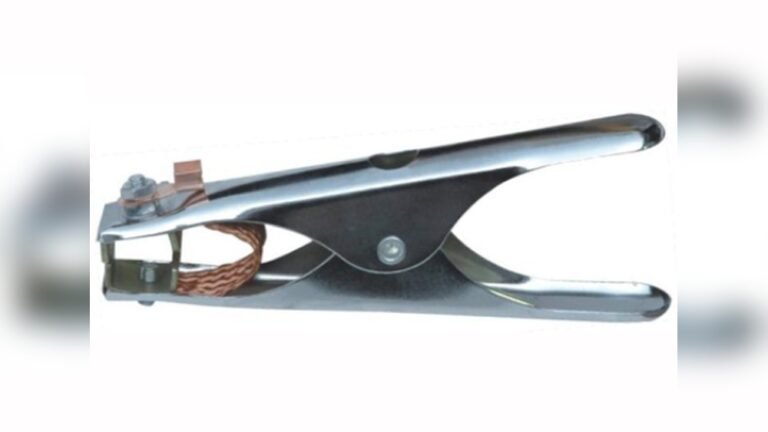
A ground clamp is a vital tool in welding that connects the welding machine to the workpiece. Its main job is to create a safe and efficient electrical path, ensuring the welding current flows correctly. Without a proper ground clamp, welding would be impossible and extremely dangerous.
Understanding the role of the ground clamp helps any welder, from beginner to expert, achieve better results and stay safe. This article will explain what a ground clamp is, why it’s so important, and how to choose and use one effectively.
The Essential Role Of A Ground Clamp In Welding
The ground clamp, often called a grounding clamp or earth clamp, is a conductor that attaches to the metal object being welded. This object is called the workpiece. The clamp is then connected to the welding machine, typically via a cable.
This connection completes the electrical circuit needed for welding. When you strike an arc, electricity flows from the welding machine, through the electrode, to the workpiece, and then back to the machine through the ground clamp. This flow of electricity melts the metal and allows the filler material to join the pieces.
Why A Good Ground Connection Matters
A strong and secure ground connection is crucial for several reasons:
- Completing the Circuit: As mentioned, without a complete circuit, the welding process cannot start. The electricity needs a path to return to the power source.
- Safety: A proper ground clamp prevents electricity from straying. If the ground connection is poor or absent, stray current can travel through the welder’s body, causing severe electrical shock. This is the most critical reason for using a good ground clamp.
- Weld Quality: A stable electrical connection ensures a consistent welding arc. Inconsistent current flow can lead to poor weld penetration, porosity (holes in the weld), and overall weak joints.
- Reduced Interference: A good ground helps minimize electromagnetic interference (EMI), which can affect other electronic devices nearby.
Types Of Welding Ground Clamps
There are several types of ground clamps, each suited for different welding applications and environments. The most common ones include:
Magnetic Ground Clamps
These clamps use a strong magnet to attach to the workpiece. They are very quick and easy to attach, especially on flat, clean metal surfaces.
- Pros: Fast to attach and remove, strong holding power on ferrous metals.
- Cons: Only work on magnetic metals (steel, iron), can be less reliable on painted or dirty surfaces, magnets can wear out or become damaged.
C-clamps
A C-clamp is a versatile tool that can be used as a ground clamp. It uses a screw mechanism to clamp onto the workpiece.
- Pros: Can attach to various shapes and materials, readily available.
- Cons: Can be slower to attach than magnetic clamps, requires direct metal-to-metal contact, the screw mechanism can be affected by spatter.
Miller Style (quick-connect) Ground Clamps
These are heavy-duty clamps designed for professional welding. They often feature a spring-loaded mechanism for a secure grip and a quick-connect fitting for easy attachment to the welding cable.
- Pros: Very secure connection, durable, easy to connect and disconnect from the cable.
- Cons: Can be more expensive, might require a specific cable connector.
Other Types
Less common types include alligator clips (small, often used for low-amperage applications or tack welding) and specialized grounding lugs that are bolted directly to the workpiece.

Credit: www.lincolnelectric.com
Choosing The Right Ground Clamp
Selecting the correct ground clamp depends on several factors related to your welding setup and the materials you are working with.
Amperage Rating
The most important factor is the clamp’s amperage rating. This indicates the maximum amount of electrical current the clamp can safely handle. Always choose a clamp with a rating equal to or higher than the amperage you will be using for your welding. Using a clamp with too low a rating can cause it to overheat, melt, and fail, posing a safety risk.
Here’s a general guide:
| Welding Amperage Range | Recommended Ground Clamp Amperage Rating |
|---|---|
| 0-100 Amps | 100-150 Amps |
| 100-250 Amps | 200-300 Amps |
| 250-400 Amps | 300-400 Amps |
| 400+ Amps | 400-600 Amps or higher |
Material Of The Workpiece
If you are welding steel or iron, a magnetic ground clamp is often the easiest and most effective choice. For non-ferrous metals like aluminum or when working with oddly shaped pieces, a C-clamp or a Miller-style clamp that can grip directly onto the material might be better.
Durability And Build Quality
Welding environments can be harsh, with sparks, spatter, and potential impacts. Opt for clamps made from robust materials like brass or copper, which are excellent conductors and resist corrosion. A strong spring mechanism (if applicable) and well-insulated handles are also signs of good quality.
Ease Of Use
Consider how quickly you need to move the clamp. Magnetic clamps are fastest for repetitive tasks on similar materials. For more varied jobs, a clamp that is easy to open and close securely is preferable.
How To Properly Use A Ground Clamp
Using a ground clamp correctly is as important as choosing the right one. Improper use can lead to safety hazards and poor weld quality.
1. Clean The Connection Point
Before attaching the ground clamp, ensure the area on the workpiece where it will connect is clean. Remove any paint, rust, grease, or dirt. These contaminants act as insulators, preventing a good electrical connection and leading to arc instability. A wire brush is often sufficient for cleaning.
2. Secure The Clamp
Firmly attach the ground clamp to the workpiece. Ensure it has solid metal-to-metal contact. For magnetic clamps, make sure the magnet is seated well. For C-clamps or spring clamps, tighten them enough to get a secure grip and good electrical contact without damaging the workpiece excessively.
3. Connect To The Welding Machine
Connect the other end of the ground cable to the designated ground terminal on your welding machine. Most machines have a quick-connect DINSE-style plug or a screw terminal. Ensure this connection is also clean and tight.
4. Position For Short Cable Run
Ideally, the ground clamp should be placed as close to the welding area as possible. A shorter ground cable run means less electrical resistance. This results in a more efficient welding process and a stronger arc. Long cable runs can also lead to voltage drop, affecting welding performance.
5. Check The Connection Periodically
During a welding session, especially for longer jobs, periodically check the ground clamp connection. Spatter can build up, or vibrations might loosen the clamp. A quick check can prevent issues before they arise.

Credit: www.lincolnelectric.com
Common Mistakes To Avoid
Even experienced welders can sometimes overlook the importance of the ground clamp. Here are common mistakes to steer clear of:
- Attaching to Non-Conductive Materials: Never clamp the ground to painted surfaces, wood, plastic, or anything that isn’t a good electrical conductor.
- Poor Metal-to-Metal Contact: A loose clamp or a connection on a dirty surface will cause problems.
- Using an Underrated Clamp: Overheating and failure are serious risks. Always match the clamp’s rating to your welding amperage.
- Ignoring Spatter Buildup: Spatter can insulate the clamp, weakening the connection. Regular cleaning is necessary.
- Clamping to the Wrong Part: Ensure you are grounding the actual workpiece or the welding table if it’s properly grounded, not just a random piece of metal nearby.
The Importance Of A Grounding Cable
The cable connecting the ground clamp to the welding machine is just as critical. These cables are typically made of copper strands for good conductivity and are insulated to protect