
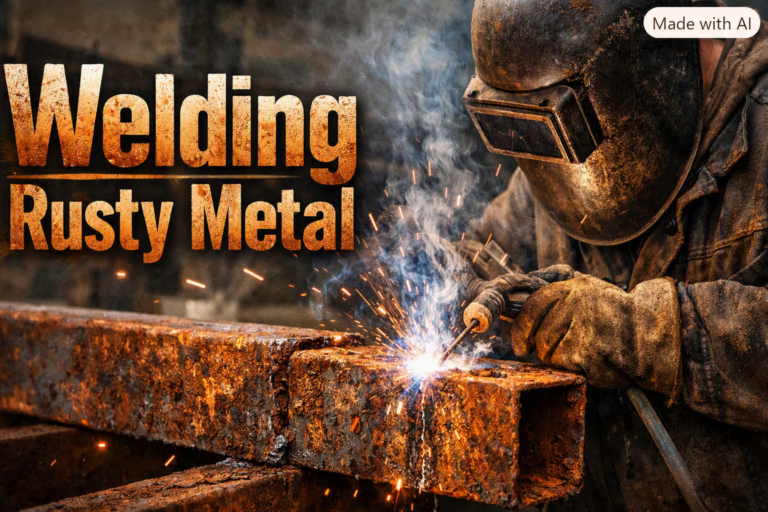
Welding rusty metal is a common challenge for many people working with steel or iron. When you see rust, you might wonder if it’s possible to weld over it, or if it will ruin your project. The truth is, rusty metal can be welded, but there are important things to know before you start.
Understanding how rust affects welding, and learning best practices, will help you get strong, safe results.
Why Rust Matters In Welding
Rust is simply oxidized iron. It forms when metal is exposed to moisture and air. This layer can cause problems for welders. First, rust acts as a barrier between the welding arc and the clean metal underneath. This means the weld might not bond well to the metal. Second, rust can cause porosity, tiny holes inside your weld, which weakens it.
Most welding methods, especially MIG and Stick welding, can tolerate a little surface rust, but too much can cause serious issues. In my experience, welding over heavy rust often leads to weak, brittle joints. If you want a strong connection, you need to pay attention to surface preparation.
Welding Methods And Rust Tolerance
Different welding methods handle rust in different ways. Here’s a quick comparison:
| Method | Rust Tolerance | Common Uses |
|---|---|---|
| Stick (SMAW) | High | Outdoor, repairs |
| MIG (GMAW) | Medium | Fabrication, auto |
| TIG (GTAW) | Low | Precision, thin metal |
Stick welding is often chosen for rusty or dirty metal. Its flux coating helps protect the weld from contamination. MIG welding can handle light rust, but heavy rust will cause defects. TIG welding needs very clean surfaces; rust will ruin the weld.
Preparing Rusty Metal For Welding
If you want to weld rusty metal, the most important step is preparation. Cleaning off the rust gives you a stronger, safer weld. Here are the main ways to do this:
- Wire brushing: Use a wire brush or grinder to remove loose rust. This is quick and works well for light rust.
- Sandblasting: For thick or stubborn rust, sandblasting is effective. It cleans the metal deeply.
- Chemical rust removers: These products dissolve rust and leave a clean surface. Always rinse and dry the metal after using chemicals.
Pro Tip: Even if you can’t remove all the rust, try to clear at least the area where you’ll weld. Clean metal helps the weld fuse properly.
Risks Of Welding Rusty Metal
Welding over rust doesn’t only affect strength. It can create several risks:
- Porosity: Welds with holes inside, which can break under stress.
- Weak joints: The weld may not stick well to the metal.
- Health risks: Burning rust produces fumes, which can be harmful. Always wear a mask and work in a ventilated area.
Example: When I tested welding on rusty farm equipment, the welds looked fine on the outside. But after a few months, they cracked under normal use. This taught me that surface preparation is not just about appearance, it’s about safety.
Welding Rusty Metal: Step-by-step Guide
If you must weld rusty metal, follow these steps for the best results:
- Inspect the metal. Make sure it isn’t too thin or damaged from rust. If the rust has eaten deeply, replace the part.
- Clean the surface. Use a wire brush, grinder, or sandblaster to remove as much rust as possible.
- Choose the right welding method. Stick welding works best for rusty surfaces. Use the proper electrode, such as E6010, which handles dirty metal well.
- Set the correct amperage. Rusty metal often needs a slightly higher amperage. This helps the arc penetrate through the rust.
- Weld slowly and check for defects. Watch for porosity and weak spots. If you see bubbles or cracks, stop and clean the area again.
| Step | Tool/Material | Purpose |
|---|---|---|
| Inspect | Visual check | Ensure safety |
| Clean | Wire brush, grinder | Remove rust |
| Choose method | Stick/MIG/TIG | Adapt to rust |
| Set amperage | Welder settings | Improve penetration |
| Check weld | Visual inspection | Quality control |
Common Mistakes To Avoid
Many beginners make the same errors when welding rusty metal:
- Not cleaning enough. Even a thin rust layer can cause problems.
- Using the wrong electrode. Some rods work better on clean metal.
- Ignoring ventilation. Rust fumes are dangerous.
- Welding over deeply pitted metal. Structural weakness is hard to see.
When You Should Not Weld Rusty Metal
Sometimes, welding rusty metal is not safe or practical. If the rust has caused deep pits or holes, or the metal is too thin, welding will not fix it. It’s better to replace the damaged part. Welding over severe rust can hide problems that will appear later, risking injury or failure.
Is Welding Rusty Metal Ever Recommended?
Welding rusty metal is sometimes necessary, especially for quick repairs in farming, construction, or emergency situations. If you prepare the surface and use the right method, it can work. However, for projects where strength and safety matter, always aim for clean, rust-free surfaces.
Frequently Asked Questions
Does Welding Rusty Metal Affect Strength?
Yes, welding over rust can make the weld weaker. Rust prevents the weld from bonding fully to the metal, which can lead to cracks or breaks under stress.
What Electrodes Are Best For Welding Rust?
Electrodes like E6010 or E6011 are designed for dirty or rusty metal. Their flux helps clean the surface as you weld.
Can Mig Welding Handle Rust?
MIG welding can manage light surface rust, but heavy rust will cause defects. Clean the area well before welding for best results.
Is It Dangerous To Weld Rusty Metal?
Burning rust creates fumes that may contain iron oxide and other harmful chemicals. Always use a respirator and good ventilation when welding rusty surfaces.
Are There Alternatives To Welding Rusty Metal?
Yes, you can use mechanical fasteners like bolts or rivets for temporary repairs if the metal is too rusty to weld safely. Sometimes, replacing the part is the only safe option.
Welding rusty metal can work if you follow the right steps and use proper safety precautions. Clean as much rust as you can, choose the correct welding method, and always check your welds for strength. For critical projects, clean surfaces are always best. If you want more details on welding safety and methods, visit American Welding Society.