
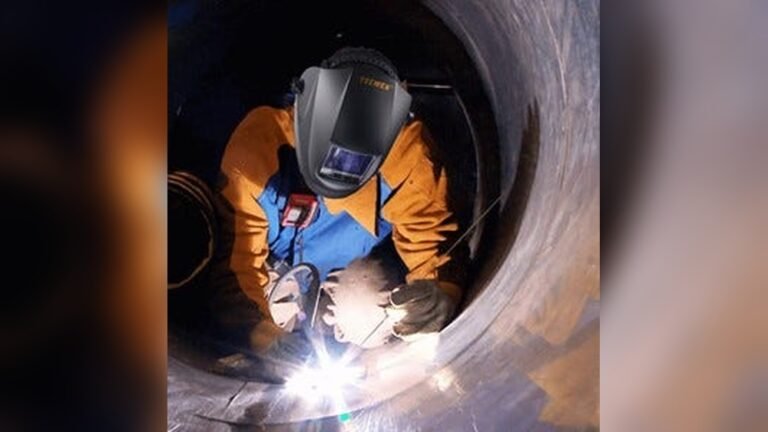
Welding In Confined Spaces Safety
Welding is already a risky job, but welding in confined spaces brings extra dangers that many workers and supervisors underestimate. Think about working inside a small tank, pipe, or vessel. The air can quickly become unsafe, and even a small mistake may lead to injury or death. Many accidents happen because of poor planning, lack of training, or not understanding the hazards. This article explains how to stay safe during welding in tight spaces, using clear language and practical advice to help you avoid common mistakes.
What Makes Confined Space Welding So Dangerous?
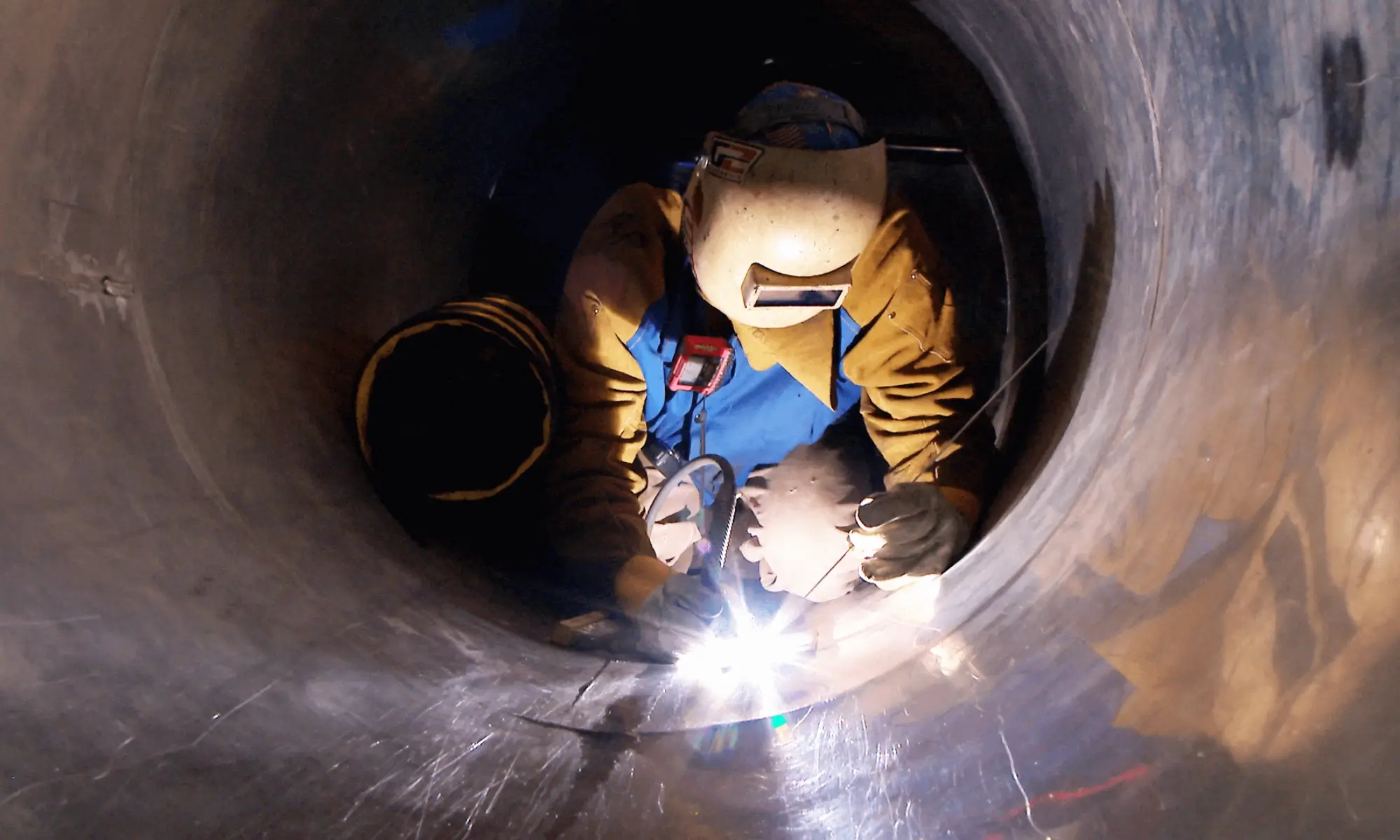
A confined space is any area with limited entry or exit, not designed for people to stay in for long. Examples are storage tanks, silos, pipelines, and underground vaults. These places are dangerous for several reasons:
- Low oxygen: Welding uses up the oxygen fast.
- Toxic gases: Welding produces fumes, and chemicals already inside can mix to form deadly gases.
- Fire and explosion: Flammable vapors or dust can ignite easily.
- Limited escape: If something goes wrong, it’s hard to get out quickly.
Let’s compare the main risks of welding in open vs. confined spaces:
| Hazard | Open Space | Confined Space |
|---|---|---|
| Oxygen Level | Normal | May drop quickly |
| Gas/Fume Buildup | Disperses easily | Trapped and concentrated |
| Escape Route | Multiple exits | Limited exits |
| Explosion Risk | Lower | Much higher |
A key insight: Even trained welders often forget that gases like argon (used in TIG welding) are heavier than air and can sink to the bottom of a tank, creating an invisible suffocation hazard.
Key Safety Procedures Before Welding
Preparation is everything. Before starting any welding job in a confined space, follow these steps:
- Hazard assessment: Identify all possible risks in the space.
- Atmospheric testing: Use a gas detector to check for oxygen level, flammable gases, and toxic fumes.
- Ventilation: Set up blowers or fans to bring in fresh air and push out dangerous fumes.
- Isolation: Shut down and lock out equipment that could release energy, chemicals, or gas.
- Rescue plan: Make sure a trained attendant is outside with rescue equipment and knows the emergency steps.
Here’s a quick comparison of different ventilation methods:
| Ventilation Type | Best Use | Limitations |
|---|---|---|
| Natural | Open-top spaces | Not enough for toxic welding fumes |
| Mechanical (fans/blowers) | Enclosed tanks, vessels | Needs electricity; may fail |
| Local exhaust | Targeted fume removal | Does not add fresh air |
A common mistake: Workers sometimes skip atmospheric testing if the space looks clean or was just opened. But many dangerous gases have no smell or color.

Credit: bakersgas.com
Personal Protective Equipment (ppe) And Tools
The right PPE can save your life. For welding in confined spaces, you need:
- Flame-resistant clothing
- Welding helmet with proper filter
- Gloves and boots
- Respirator (if ventilation is not perfect)
- Ear protection (if noise is high)
- Safety harness (for vertical entry)
Never use ordinary clothing—synthetic materials can melt and cause severe burns.
Welders must also use intrinsically safe tools and lighting. This means tools that do not spark or overheat, reducing fire risk. All cables and hoses should be inspected for damage before use.
Safe Work Practices During Welding
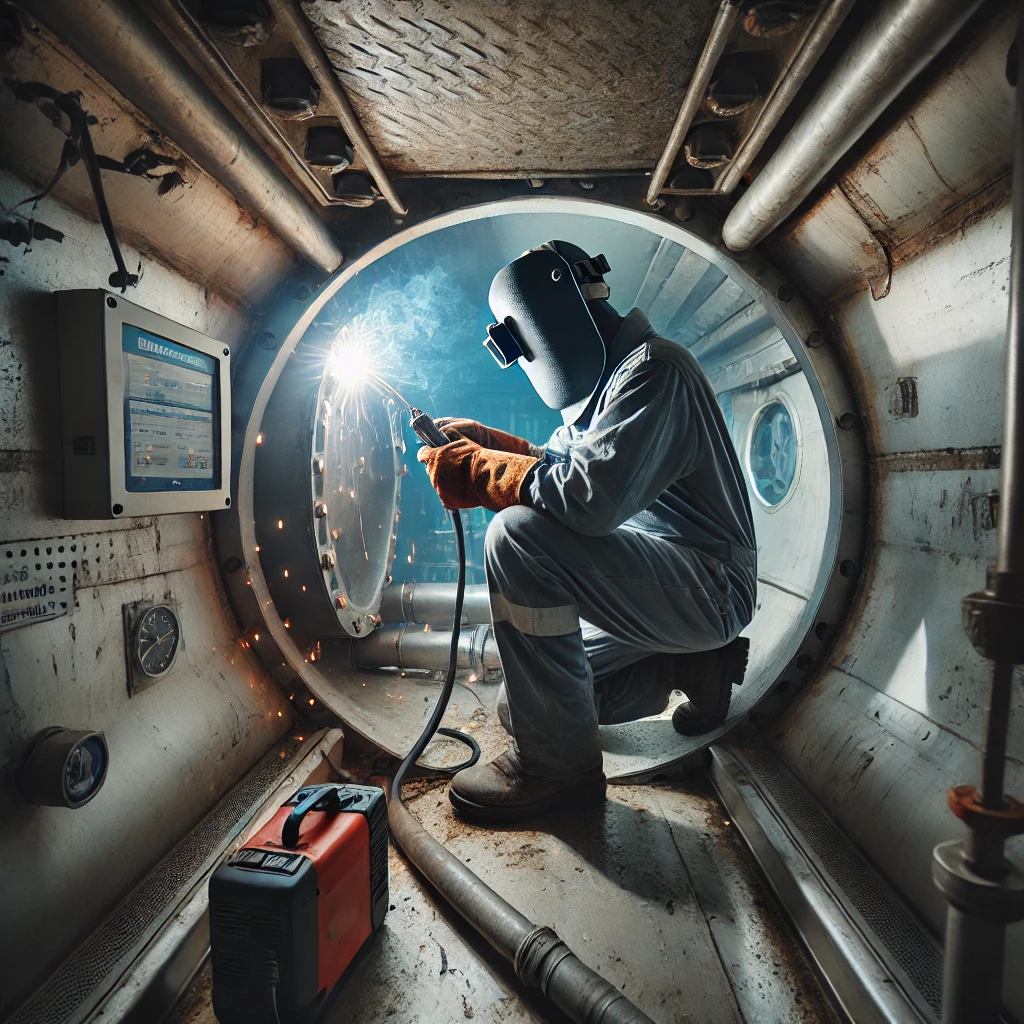
Once the job starts, discipline is critical. Follow these rules:
- Only authorized, trained workers enter the space.
- Keep continuous air monitoring equipment running.
- Communicate with the attendant outside at all times.
- Take regular breaks to avoid fatigue—small mistakes can be deadly.
- Remove all unused tools, rags, or chemicals from the space.
- Never weld alone, even for a quick repair.
Many accidents happen because someone tries to “just finish” a quick job without full protection or skips steps under time pressure.
Credit: www.zmdetech.com
Emergency Response And Rescue
If something goes wrong, seconds count. A rescue plan must be ready before anyone enters. The plan should include:
- Non-entry rescue: Use tripods, winches, or ropes to pull out the worker without sending others in.
- Communication: Radios or hard-wired phones are best (shouting is not enough).
- First aid: Oxygen and burn kits should be close by.
It’s a fatal error to let untrained coworkers attempt rescue. Most deaths in confined spaces happen when a second person enters without proper gear.
Below is a quick look at rescue times:
| Event | Time to Serious Harm | Time to Rescue Needed |
|---|---|---|
| Oxygen drops below 10% | Seconds to collapse | Immediate |
| Gas poisoning | 1-3 minutes | Within 2 minutes |
| Fire or explosion | Instant | Evacuate instantly |
Training And Legal Requirements
In the US, OSHA sets strict rules for confined space entry. Employers must:
- Give workers proper training on hazards, PPE, and emergency procedures.
- Post clear signs and keep records of entries and tests.
- Supply the right equipment for ventilation and rescue.
Not following these rules can lead to heavy fines and, more importantly, tragic accidents. For more details, visit the OSHA Confined Spaces page.
Credit: www.zmdetech.com
Frequently Asked Questions
What Is The First Thing To Check Before Welding In A Confined Space?
Always test the atmosphere for oxygen level, flammable gases, and toxic fumes. Never trust your senses alone—use proper detectors.
Who Should Be Present During Confined Space Welding?
At minimum, one trained attendant must stay outside the space to monitor the welder and call for help if needed. Never work alone.
Can I Weld In A Confined Space Without Ventilation?
No. Adequate ventilation is essential to prevent buildup of harmful gases and keep oxygen at safe levels. Mechanical ventilation is usually required.
What Ppe Is Most Important For Confined Space Welding?
You must wear flame-resistant clothing, a welding helmet, gloves, and often a respirator. Additional PPE may be needed depending on the job.
What Is The Main Cause Of Deaths During Confined Space Welding?
Most deaths happen from oxygen deficiency or toxic gas exposure, especially when workers try to rescue others without proper equipment.
Welding in confined spaces is never routine—each job needs careful planning, the right gear, and full attention. Following these steps will help you return home safely every day.