
Is Welding A Good Career?
Welding is a hands-on trade that builds the world around us. From skyscrapers to pipelines, bridges to ships, welders join metals to create strong structures. If you’re thinking about a job that offers steady work, good pay, and practical skills, welding might catch your interest.
But is welding a good career choice? Let’s look closer, compare real numbers, and see what you need to know.
What Does A Welding Career Involve?
Welders use heat and electricity to join pieces of metal. They work in many fields such as construction, manufacturing, shipbuilding, and even art. The job can happen indoors or outdoors, sometimes in tight or high places.
A typical day might include:
- Reading blueprints and instructions
- Setting up welding equipment
- Wearing safety gear (like helmets and gloves)
- Inspecting finished welds for quality
Some welders specialize in certain methods like MIG, TIG, or stick welding. Others may work underwater or in dangerous environments. This variety lets you pick a path that matches your interest and skill.
Salary And Job Outlook
Welding pays differently based on location, skill, and industry. The U.S. Bureau of Labor Statistics reports that the median pay for welders in 2026 was about $48,940 per year, or roughly $23.53 per hour.
Here’s a comparison of welding salaries with other skilled trades:
| Trade | Median Annual Wage (2026) |
|---|---|
| Welder | $48,940 |
| Electrician | $60,240 |
| Plumber | $59,880 |
| Carpenter | $51,390 |
While welding doesn’t pay the most, it offers solid middle-income wages, especially for those without a four-year college degree. Top earners—like pipeline welders or those working on oil rigs—can make over $70,000 per year.
Job growth for welders is expected to be about 3% from 2026 to 2032. This is as fast as average. Retiring workers and new infrastructure projects should keep demand steady.

Credit: www.arccaptain.com
Education And Training Needed
Welding is unique because you don’t need a bachelor’s degree. Many welders start with a high school diploma and attend a technical school or community college. Training programs usually last from 6 months to 2 years.
Key steps to start a welding career:
- Finish high school (or get a GED)
- Complete a welding training program
- Earn certifications (like those from the American Welding Society)
- Gain experience on the job
Some companies offer apprenticeships, letting you earn money while learning. Most states don’t require a license, but certified welders have better job chances and pay.
Here’s a quick look at the time and cost involved:
| Path | Time Needed | Estimated Cost |
|---|---|---|
| Technical School | 6-12 months | $5,000-$15,000 |
| Community College | 2 years (Associate) | $10,000-$20,000 |
| Apprenticeship | 2-4 years | Paid, earns salary |
Pros Of A Welding Career
Many people choose welding for its practical benefits:
- Quick entry: You can start earning in less than a year.
- High demand: Welders are needed everywhere, from cities to rural areas.
- No college debt: Training is shorter and cheaper than a four-year degree.
- Hands-on work: Ideal for people who like building and fixing things.
- Travel opportunities: Skilled welders can work across the country or overseas.
Some welders move into supervisory roles or start their own businesses. The skills you learn are valuable in many industries.

Credit: www.wileymetal.com
Cons And Challenges
Welding also has downsides you should consider:
- Physically demanding: Work can be hard on your body, especially your back, knees, and eyes.
- Safety risks: Burns, eye injuries, and inhaling fumes are real hazards. Good safety habits are essential.
- Work environment: Sometimes noisy, dirty, or outdoors in bad weather.
- Irregular hours: Overtime or night shifts are common in some industries.
Beginners often overlook the need to constantly update skills. New technologies, like robotic welding, mean you’ll need to keep learning.
Who Should Consider Welding?
Welding is a strong fit if you:
- Enjoy working with your hands
- Like solving practical problems
- Can focus on details
- Are comfortable with tools and machinery
People who dislike physical work, tight spaces, or routine tasks may not enjoy this career. If you have health issues like asthma, welding fumes could be a problem.
Real-world Examples
- Tyler, a welder from Texas, started at 19 and now earns over $60,000 working on pipelines. He likes the travel and fast career growth.
- Maria, a single mother, finished a technical school program in 9 months and found a steady job in a manufacturing plant.
These stories show that welding can suit many backgrounds, but success depends on your effort, learning, and willingness to adapt.
How To Grow As A Welder
To move forward in welding, consider:
- Earning advanced certifications
- Learning new welding methods
- Studying blueprint reading or inspection
- Moving into teaching or management
Welders who combine skills with leadership or technical knowledge often earn more and have better job security.
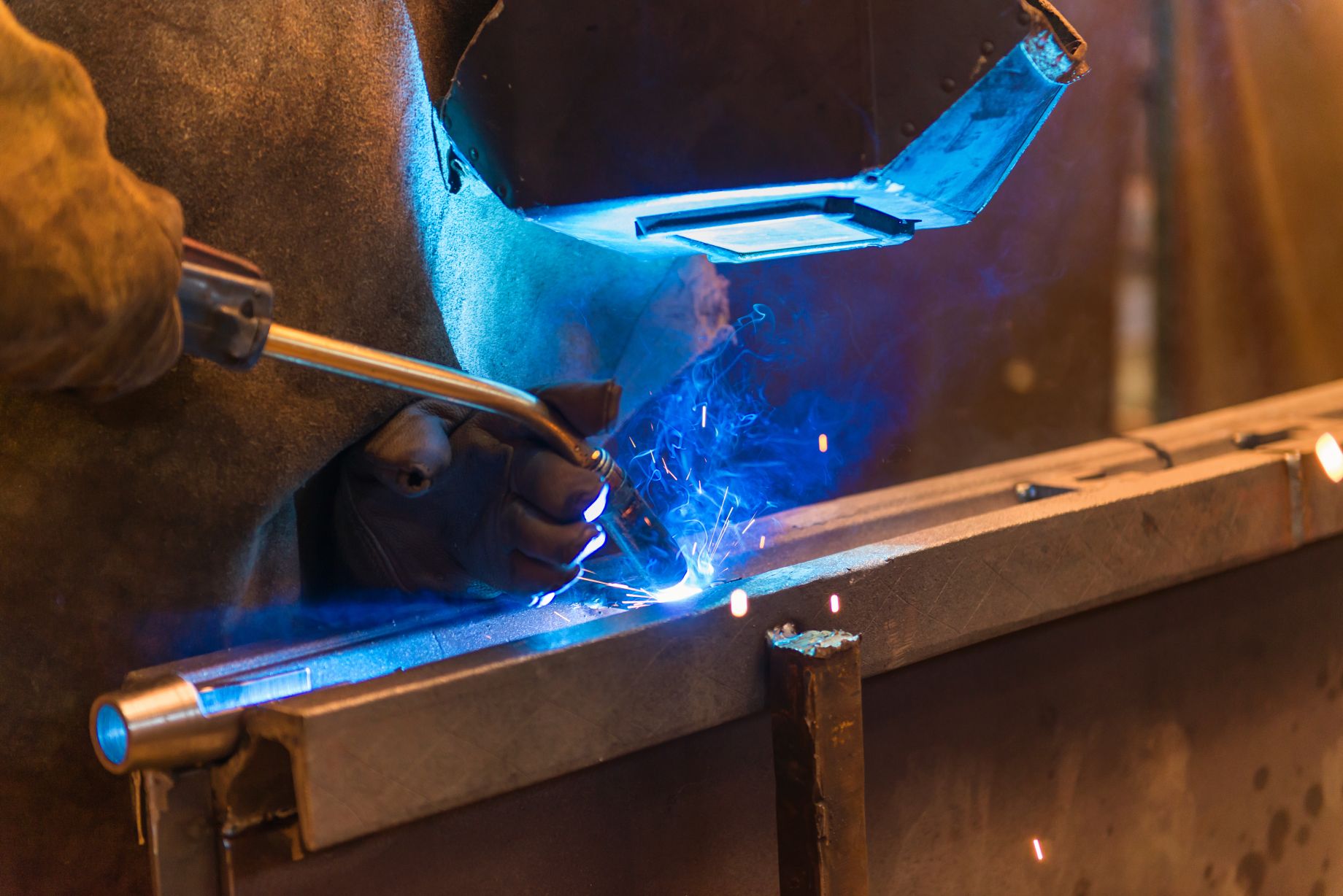
Credit: imbc.edu
Frequently Asked Questions
Is Welding Dangerous?
Welding has risks like burns, eye injuries, and breathing hazards. Using proper safety gear and following rules greatly reduces these dangers.
How Much Do Welders Make Starting Out?
Entry-level welders usually earn between $35,000–$40,000 per year. Pay rises with skill, certifications, and experience.
Is There A Shortage Of Welders?
Yes, many employers report difficulty finding skilled welders. As older workers retire, new welders are needed, especially in construction and manufacturing.
Can Women Be Successful Welders?
Absolutely. More women are joining the field every year. Skills, safety, and attention to detail matter more than gender.
Where Can I Learn More About Welding Careers?
The American Welding Society offers resources and career information. Visit their website at American Welding Society.
Welding is a career with real rewards, but it’s not for everyone. If you want a solid job, like hands-on work, and are ready to learn, welding could be a smart choice for your future.