
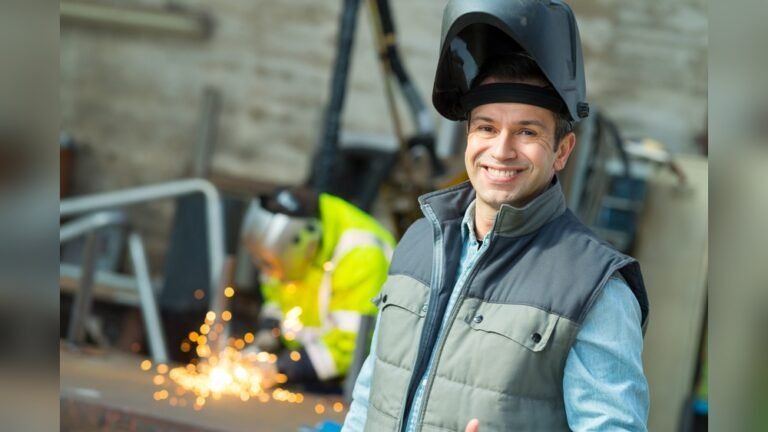
Welding Certifications Explained
Welding is more than joining metals—it’s about safety, skill, and trust. Whether you want to build bridges, pipelines, or cars, getting the right welding certification can shape your career. But with different tests, codes, and employers, things can get confusing. This guide will help you understand what welding certifications mean, which ones matter, and how you can get certified.
What Is Welding Certification?
A welding certification is an official proof that you can weld to a certain standard. It usually means you passed a practical test under specific rules, such as the American Welding Society (AWS) or the American Society of Mechanical Engineers (ASME). Employers use these certifications to check if you can do a job safely and well.
Most certifications are not just about theory. You need to show your skills in real life—making welds that are tested by experts. The type of test depends on the job, the metal, and the welding process.
Main Types Of Welding Certifications
There are several main types of certifications, each linked to a process or industry. Here’s a comparison of the most common welding certifications:
| Certification | Welding Process | Main Use |
|---|---|---|
| Certified Welder (CW) | SMAW, GMAW, FCAW, GTAW | General industry |
| Structural Welding | SMAW, FCAW | Buildings, bridges |
| Pipe Welding | SMAW, GTAW | Pipelines, refineries |
| Sheet Metal | GMAW, GTAW | HVAC, automotive |
- SMAW: Shielded Metal Arc Welding (Stick)
- GMAW: Gas Metal Arc Welding (MIG)
- FCAW: Flux-Cored Arc Welding
- GTAW: Gas Tungsten Arc Welding (TIG)

Credit: www.onhydrotech.ca
Key Certification Organizations
Several organizations issue welding certifications. The most recognized are:
- American Welding Society (AWS): Offers the popular Certified Welder (CW) test and other credentials for inspectors and educators.
- American Society of Mechanical Engineers (ASME): Focuses on pipe and pressure vessel welding, common in power plants and oil industries.
- American Petroleum Institute (API): Sets standards for oil and gas pipelines.
- International Organization for Standardization (ISO): Used outside the US, especially in Europe.
Here’s a quick overview of the main organizations:
| Organization | Focus Area | Example Certification |
|---|---|---|
| AWS | General, structural | CW, CWI |
| ASME | Pipe, pressure vessels | Section IX Welder |
| API | Oil & gas pipelines | API 1104 |
| ISO | Global standards | ISO 9606 |
The Welding Certification Process
Getting certified is not just about taking a class. Here’s how the process usually works:
- Choose Your Certification: Pick the standard needed for your job. For example, AWS D1.1 for building construction or ASME Section IX for piping.
- Prepare and Train: Most welders practice at a trade school or with on-the-job training. Practicing on test plates is common.
- Take the Test: A certified inspector watches as you weld test pieces. The position (flat, horizontal, vertical, overhead) and the process matter.
- Testing the Weld: Your welds are checked by visual inspection and sometimes by X-ray or bend tests.
- Certification Card: If you pass, you get a card or certificate. Some need renewal after a few years or if you stop welding.
Example: Aws Certified Welder Test
Suppose you want the AWS Certified Welder credential. You’ll weld a test plate in a chosen position, such as 3G (vertical) or 4G (overhead). Your work is then tested for cracks, bends, and other problems.

Credit: www.onhydrotech.ca
Why Welding Certifications Matter
Welding certifications are not just paperwork. Here’s why they’re important:
- Safety: Certified welders help prevent accidents and failures.
- Better Jobs: Many employers only hire certified welders.
- Higher Pay: Certified welders often earn more.
- Global Mobility: International certifications like ISO 9606 allow you to work in other countries.
For example, the US Bureau of Labor Statistics reports that certified welders can earn up to $10,000 more per year compared to uncertified workers.
Common Mistakes In Getting Certified
Many people make mistakes when chasing certifications. Here are two things beginners often miss:
- Choosing the Wrong Test: Some welders take a test that doesn’t match their job. For example, taking a structural plate test when you need a pipe certification.
- Ignoring Continuity: If you stop welding for a while, your certification can expire. Always keep records of your work.

Credit: cksupply.com
Special Certifications: Inspector And Educator
Besides basic welding, there are advanced certifications:
- Certified Welding Inspector (CWI): For people who check and approve welds. Requires experience and passing a tough exam.
- Certified Welding Educator (CWE): For trainers and teachers in welding schools.
These roles require more study and sometimes a background in engineering.
How Employers View Certifications
Employers use certifications to filter candidates, but they also look for real skill. Some companies give you their own test, even if you have AWS or ASME cards. It’s smart to keep your hands-on skills sharp.
Here’s a comparison of what employers often check:
| What Employers Check | Why It Matters |
|---|---|
| Valid Certification | Legal and safety reasons |
| Practical Skill Test | Real-world ability |
| Experience | Faster, fewer mistakes |
| References | Trust and reliability |
Keeping Certifications Current
Most certifications need renewal every 6 months to 3 years. Some require proof of ongoing work—called continuity. If you change jobs or take a break, check with your certification body to stay valid.
Where To Find More Information
If you want more details or the latest rules, visit the official AWS website: AWS Certification.
Frequently Asked Questions
What Is The Easiest Welding Certification To Get?
The AWS Certified Welder (CW) for flat plate welding is often considered the easiest. It focuses on basic skills and is accepted by many employers.
How Long Does A Welding Certification Last?
It depends on the type. Most AWS certifications require renewal every 6 months. Others, like ASME, may last longer if you keep working.
Can I Get Certified Without Going To Welding School?
Yes, you can. Many test centers let you try the certification test without formal schooling. However, training improves your chances of passing.
Do Welding Certifications Expire If I Stop Welding?
Yes. If you stop welding for 6 months or more, you may lose your certification. Keep work records to prove continuity.
Are Online Welding Certifications Valid?
No. True welding certifications require hands-on tests in person. Online courses can teach theory, but you must weld for a certified inspector.
Welding certifications open doors, but real progress comes from practice and learning. Choose the right path, keep your skills sharp, and stay updated—your career will thank you.