
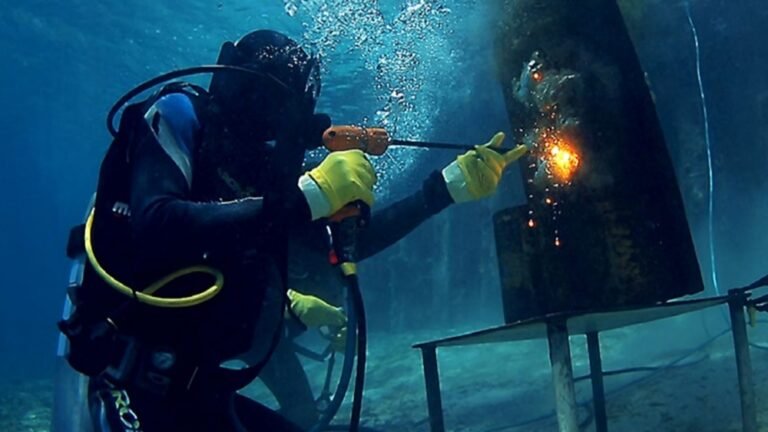
Underwater welding is one of the most fascinating and risky jobs in the world. Many people are drawn to this career because of the promise of high pay and adventure. But how much does an underwater welder really make? The answer is more complex than you might think.
Salaries can change a lot based on skills, location, and the type of work. Let’s dive deeper into what you can expect from an underwater welding salary, and what really affects your earnings in this unique field.
What Is Underwater Welding?
Underwater welding is the process of joining metal structures while submerged in water. It combines two demanding skills: commercial diving and welding. Underwater welders work on oil rigs, ships, bridges, and pipelines. The job is not only about welding; it often includes cutting, inspection, and repairs underwater.
Because of the dangerous environment, underwater welders need special training and certifications. This makes the role both challenging and rewarding.
Average Underwater Welding Salary
Many people hear stories about underwater welders making huge sums. The truth is, salaries can vary widely. Here’s a breakdown of what you might earn:
| Experience Level | Annual Salary (USD) |
|---|---|
| Entry-Level (0-2 years) | $40,000 – $60,000 |
| Mid-Career (3-7 years) | $60,000 – $90,000 |
| Experienced (8+ years) | $90,000 – $150,000+ |
On average, most underwater welders in the United States make between $50,000 and $80,000 per year. Some highly skilled professionals earn more than $150,000, especially if they work offshore or in dangerous locations.

Credit: dycoventures.com
Factors That Influence Salary
Your salary as an underwater welder depends on more than just experience. Here are some of the key factors:
- Location: Welders working in places like the Gulf of Mexico or the North Sea usually earn more due to tougher conditions.
- Type of Work: Offshore jobs (oil rigs, pipelines) pay more than inland jobs (bridges, dams).
- Certifications: Higher certifications, such as Commercial Diver Certification or specialized welding certificates, lead to better pay.
- Depth and Danger: The deeper you dive, the more you earn. Hazardous jobs come with higher risk bonuses.
- Shift Length: Longer shifts offshore often mean higher weekly or monthly pay.
Here’s a comparison of inland vs. offshore salaries:
| Work Environment | Typical Annual Salary | Work Schedule |
|---|---|---|
| Inland | $40,000 – $80,000 | Standard, local projects |
| Offshore | $60,000 – $150,000+ | Rotational, weeks at sea |
Daily Pay Rates And Bonuses
Besides yearly salary, many underwater welders are paid daily rates plus bonuses for depth and risk. It’s common to earn $200 to $500 per day, with extra pay for deeper dives (known as “depth pay”). Some companies also offer completion bonuses or hazard pay.
For example:
- Depth pay might add $1 to $4 per foot beyond 100 feet.
- Working in dangerous locations may add a bonus of several thousand dollars per project.
Beginners often miss: Many welders only work part of the year. Offshore jobs are often project-based, so yearly earnings depend on how much you work. If you only work for six months, your yearly income is lower, even if your daily rate is high.

Credit: www.tentacletools.com
Benefits And Other Compensation
Underwater welders may receive more than just salary. Common benefits include:
- Health and life insurance
- Retirement plans
- Paid travel and accommodation
- Overtime pay
- Per diem (daily spending allowance)
Pro tip: Some companies pay for all travel and meals when you are on the job, which can make your take-home pay even higher. However, not all employers offer the same benefits, so always check the details of your contract.
Comparing Underwater Welding To Other Welding Careers
Underwater welding is high paying, but it’s also riskier and requires more training than regular welding jobs. Here’s a quick look at how salaries compare:
| Welding Job | Average Salary | Special Training Needed? |
|---|---|---|
| Underwater Welder | $50,000 – $150,000+ | Yes (diving + welding) |
| Pipe Welder | $45,000 – $70,000 | No |
| Structural Welder | $40,000 – $60,000 | No |
| Welding Inspector | $55,000 – $80,000 | Yes |
This shows that underwater welders can earn more, but only if they have the right skills and certifications.
Hidden Costs And Realities
It’s important to look beyond the pay. Underwater welding is physically and mentally demanding. You may face:
- Long periods away from home
- Tough weather and underwater conditions
- High risk of injury
Insurance and equipment costs can also reduce your actual earnings. Some welders must buy their own gear or pay for ongoing certifications.
Another hidden detail: Underwater welders can have short careers. The physical demands often mean retiring earlier compared to other jobs.
How To Increase Your Underwater Welding Salary
Here are a few strategies to boost your pay:
- Get advanced certifications: More skills mean access to higher-paying jobs.
- Gain experience: The longer you work, the more you can charge.
- Work offshore or internationally: These jobs usually pay more, but come with more risk.
- Build a strong network: Connections in the industry can help you find the best projects.
- Stay fit and healthy: Physical fitness is crucial for passing medical exams and handling tough conditions.

Credit: www.aws.org
Frequently Asked Questions
What Education Do I Need To Become An Underwater Welder?
You need a high school diploma or GED. After that, you must complete both commercial diving and welding training. Most employers require certifications from recognized diving schools.
How Dangerous Is Underwater Welding?
It is considered one of the most hazardous jobs. Risks include drowning, electric shock, and decompression sickness. Strict safety rules are always followed, but the danger is real.
Do Underwater Welders Get Paid Overtime?
Yes, many underwater welders receive overtime pay when working long hours, especially on offshore projects. This can make a big difference in total annual income.
Is There A High Demand For Underwater Welders?
The demand depends on the oil, gas, and marine construction industries. There is steady need, but jobs can be seasonal or project-based. International projects may offer more opportunities.
Where Can I Learn More About The Underwater Welding Industry?
You can find more details and industry updates on the Wikipedia page for underwater welding.
Underwater welding can be exciting and financially rewarding, but it’s not for everyone. Understand the risks, get the right training, and carefully plan your career for the best chance at a high salary and a long, safe career.