
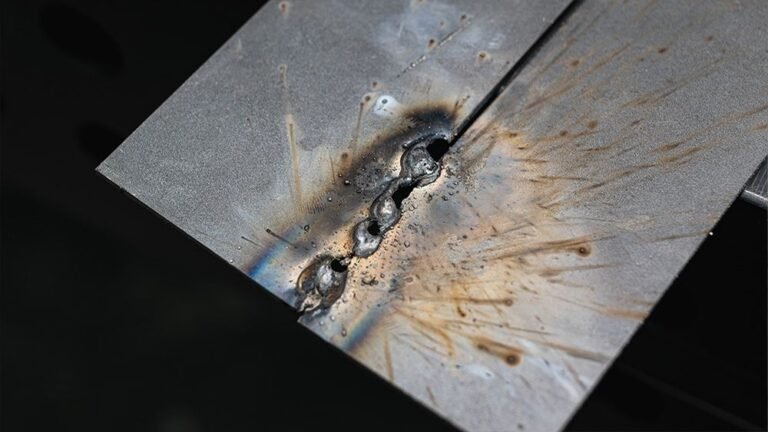
Welding is a skill that demands precision, but even the most careful welders sometimes face unexpected problems. One of the most common issues is burn through, where the weld penetrates too deeply and creates a hole in the base material. This can ruin the workpiece, slow down production, and create safety risks. If you’re dealing with burn through, understanding how to fix it and prevent it in the future is essential for both beginners and experienced welders.
What Causes Welding Burn Through?
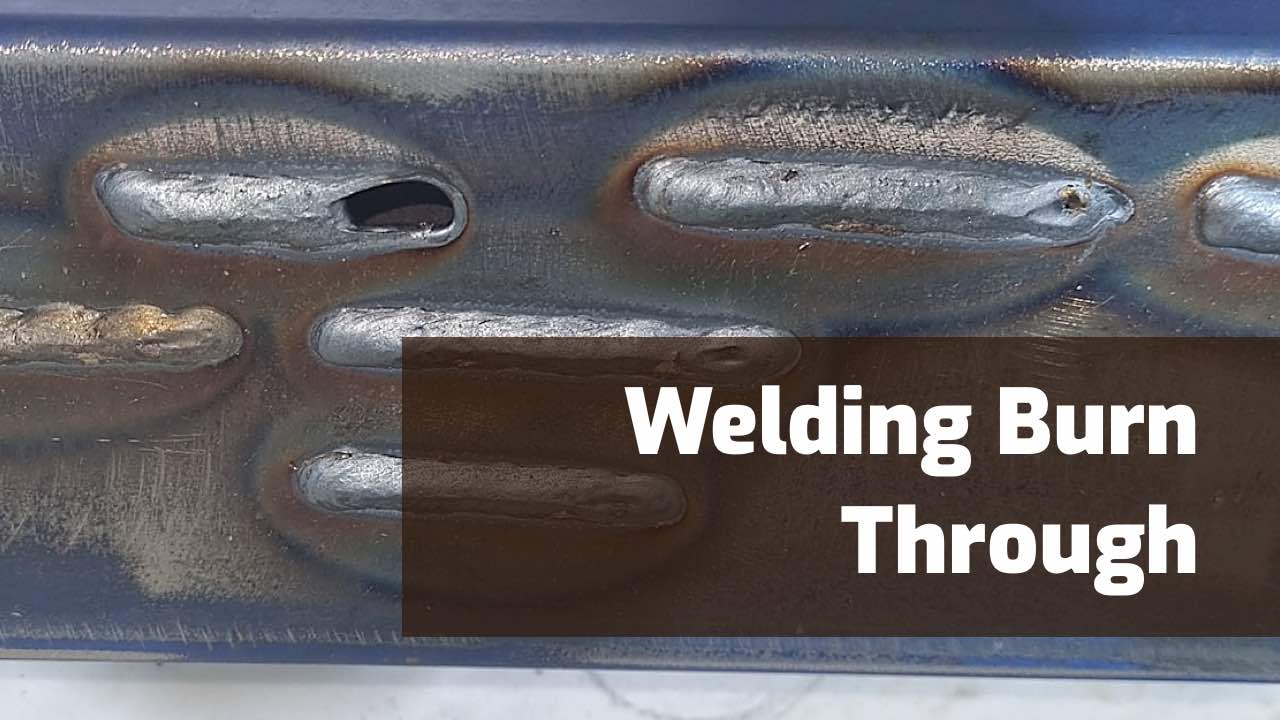
Burn through happens when the heat from welding melts all the way through the metal. This is especially common with thin metals like sheet steel or aluminum. Here are the most frequent causes:
- Excessive heat input: Using too high a current or voltage.
- Slow travel speed: Staying too long in one spot.
- Thin base material: Less material to absorb heat.
- Improper electrode size: Using a large electrode for thin materials.
- Poor joint fit-up: Gaps between pieces increase risk.
Burn through is not just a cosmetic issue. It weakens the structure and can lead to leaks, cracks, or structural failures.
How To Fix Welding Burn Through
Fixing burn through requires careful work. You must restore the strength and appearance of the welded area without making the damage worse. Here’s a step-by-step approach:
1. Assess The Damage
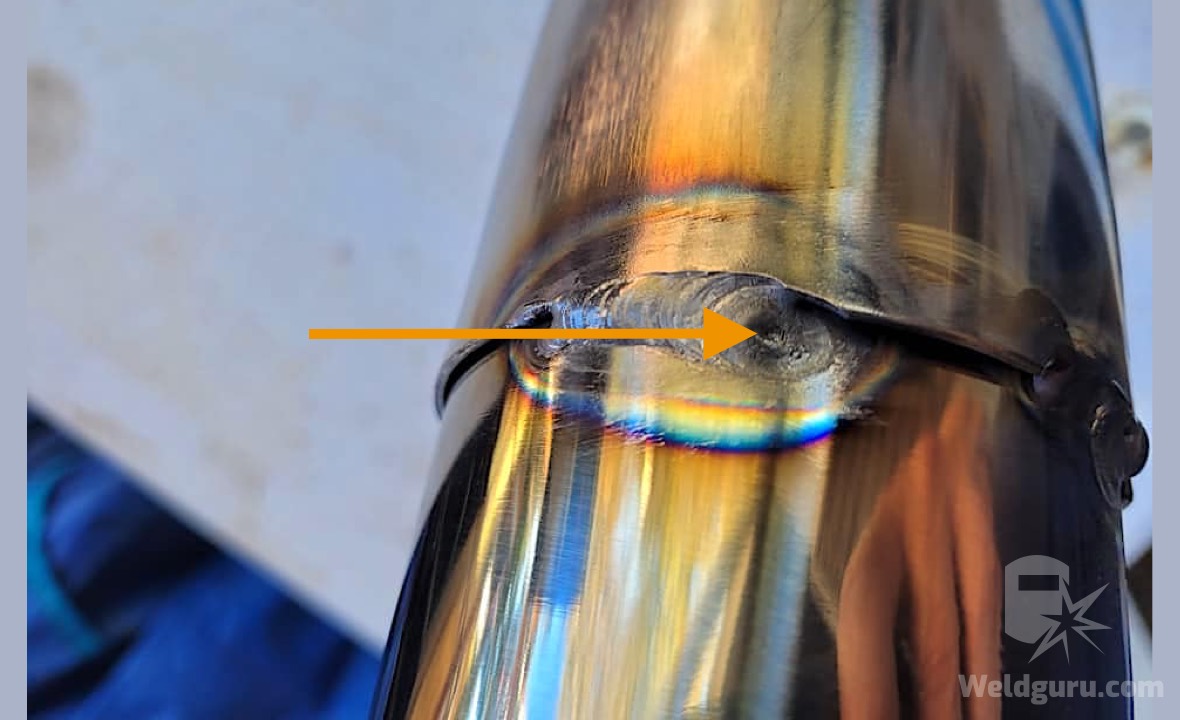
First, check the size and location of the hole. If the burn through is minor (less than ¼ inch), you can often repair it directly. Larger holes may require extra material.
2. Prepare The Area
Clean around the hole. Remove any slag, paint, or oxidation with a wire brush or grinder. This ensures good weld quality.
3. Fill The Hole
For small holes:
- Reduce the welding current.
- Use a backing plate if possible. Place a copper plate behind the hole; copper won’t stick to the weld and helps absorb heat.
- Tack weld around the hole, then fill it in small passes.
For larger holes:
- Cut a patch from similar material.
- Fit the patch tightly over or inside the hole.
- Weld around the edges, using short passes and cooling between welds.
4. Grind And Inspect
After filling, grind the weld flush with the surface. Check for any cracks or incomplete fusion. If needed, repeat the process.
Credit: weldguru.com
Practical Tips To Avoid Burn Through
Preventing burn through is easier than fixing it. Here are proven tips:
- Use the lowest possible amperage for your material thickness.
- Increase your travel speed to keep heat moving.
- Choose the right electrode size; smaller is better for thin metals.
- Use a backing plate to absorb heat and stabilize the weld pool.
- If possible, use a pulse welding process. This allows for better heat control.
Many beginners overlook the effect of joint fit-up. Even a small gap between pieces can increase the risk of burn through. Always ensure tight, accurate fit-up before welding.
Another insight: Using short-circuit MIG welding on thin materials can reduce burn through risk, as it delivers less heat than spray transfer.
Burn Through Repair Techniques: Comparison Table
Here’s a quick comparison of common burn through repair methods:
| Repair Method | Best For | Strength | Speed |
|---|---|---|---|
| Direct Fill | Small holes (<¼”) | Moderate | Fast |
| Patch Weld | Large holes | High | Medium |
| Backing Plate | Thin materials | High | Fast |

Credit: unimig.com.au
Common Mistakes When Fixing Burn Through
Even experienced welders can make errors during repair. Avoid these pitfalls:
- Welding too fast: This can cause cold lap and weak repairs.
- Using mismatched filler material: Always match the patch and filler to the base metal.
- Ignoring cooling time: Overheating the area leads to more burn through.
- Not cleaning thoroughly: Dirt and paint cause porosity and weak welds.
Key Factors: Preventing Burn Through
Before you start welding, keep these factors in mind:
| Factor | Impact | Recommendation |
|---|---|---|
| Material Thickness | Thin metals burn through easily | Use lower heat |
| Welding Process | MIG, TIG, Stick differ in heat | MIG for thin, TIG for control |
| Joint Fit-Up | Gaps increase risk | Ensure tight fit |
| Backing Plate | Absorbs heat | Use copper or aluminum |
Credit: weldguru.com
Real-world Example
Imagine welding a thin stainless steel sheet for a kitchen appliance. If you set the amperage too high, you might burn through. Using a copper backing plate and reducing heat, you can quickly fix the hole without distorting the panel.
This technique is widely used in automotive and appliance repairs.
When To Replace Instead Of Repair
Sometimes repair isn’t enough. If burn through happens on a critical structural part, or the hole is very large, replacement is safer. Welding repairs can restore strength, but only if the base metal is still sound.
Safety Considerations
Burn through repairs involve extra heat and sometimes grinding. Always wear eye protection, gloves, and a long-sleeve shirt. Ventilate the area well, as fumes can be dangerous. After grinding, check for sharp edges and clean up thoroughly.
Frequently Asked Questions
What Causes Welding Burn Through?
Burn through is caused by too much heat, slow welding speed, or thin base materials. Bad joint fit-up and the wrong electrode size can also lead to holes.
How Can I Fix A Small Burn Through Hole?
Clean the area, use a copper backing plate, and fill the hole with short weld passes. Grind flush and inspect for cracks.
Can I Fix Burn Through In Aluminum?
Yes, but aluminum requires special care. Use a TIG welder, low heat, and a copper backing plate. Patch welds may be needed for larger holes.
What Is A Backing Plate And Why Is It Helpful?
A backing plate (often copper) is placed behind the weld area. It absorbs heat and prevents the weld from falling through, making repairs easier and cleaner.
How Can I Prevent Burn Through When Welding Thin Sheet Metal?
Use low amperage, increase travel speed, ensure tight fit-up, and use a backing plate. MIG welding with short-circuit transfer is safer for thin sheets.
Solving welding burn through is a challenge, but with the right techniques and careful preparation, you can repair most holes and prevent future problems. If you need more information on welding safety and procedures, check the Welding overview on Wikipedia. With practice and attention to detail, you’ll keep your welds strong and your repairs reliable.