
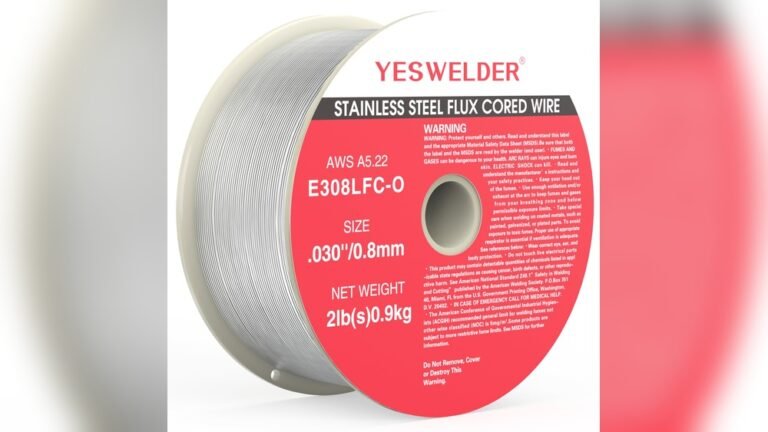
Stainless steel welding is everywhere—from kitchen equipment to chemical plants. But if you’re not using the right wire, results can be disappointing. Stainless steel flux core wire offers an easier path for many welders, especially those who don’t want to deal with gas tanks or complicated setups. Whether you’re a hobbyist or a professional, understanding this wire can help you get stronger, cleaner welds with less hassle.
What Is Stainless Steel Flux Core Wire?
Flux core wire is a type of welding wire filled with flux inside. Unlike solid wire, it creates its own shield as you weld. The stainless steel version is made with stainless alloys, usually 308, 309, or 316 grades. This wire is used mainly for MIG welding or FCAW (Flux-Cored Arc Welding) without needing an external gas supply.
Why do people choose flux core for stainless? It’s simple: you can weld in windy conditions, work outdoors, and get good penetration even on dirty surfaces. With stainless steel flux core wire, you also get corrosion-resistant joints, perfect for food industry, marine, and chemical environments.
Key Benefits And Uses
Stainless steel flux core wire has some clear advantages:
- No gas needed: You don’t need a cylinder of shielding gas—just the wire and your welder.
- Works outdoors: Wind doesn’t blow away your shielding because the flux is inside the wire.
- Penetration and strength: Flux core wires penetrate deeper, making strong welds even on thicker or rusty metal.
- Corrosion resistance: Stainless welds don’t rust, so they last longer.
- Versatile: Used for tanks, pipes, kitchen equipment, exhaust systems, and more.
A few industries that rely heavily on stainless steel flux core welding:
- Food processing: Sanitary and easy-to-clean welds
- Chemical plants: Resistant to acids and moisture
- Marine: Withstands saltwater exposure
- Construction: Structural strength and durability
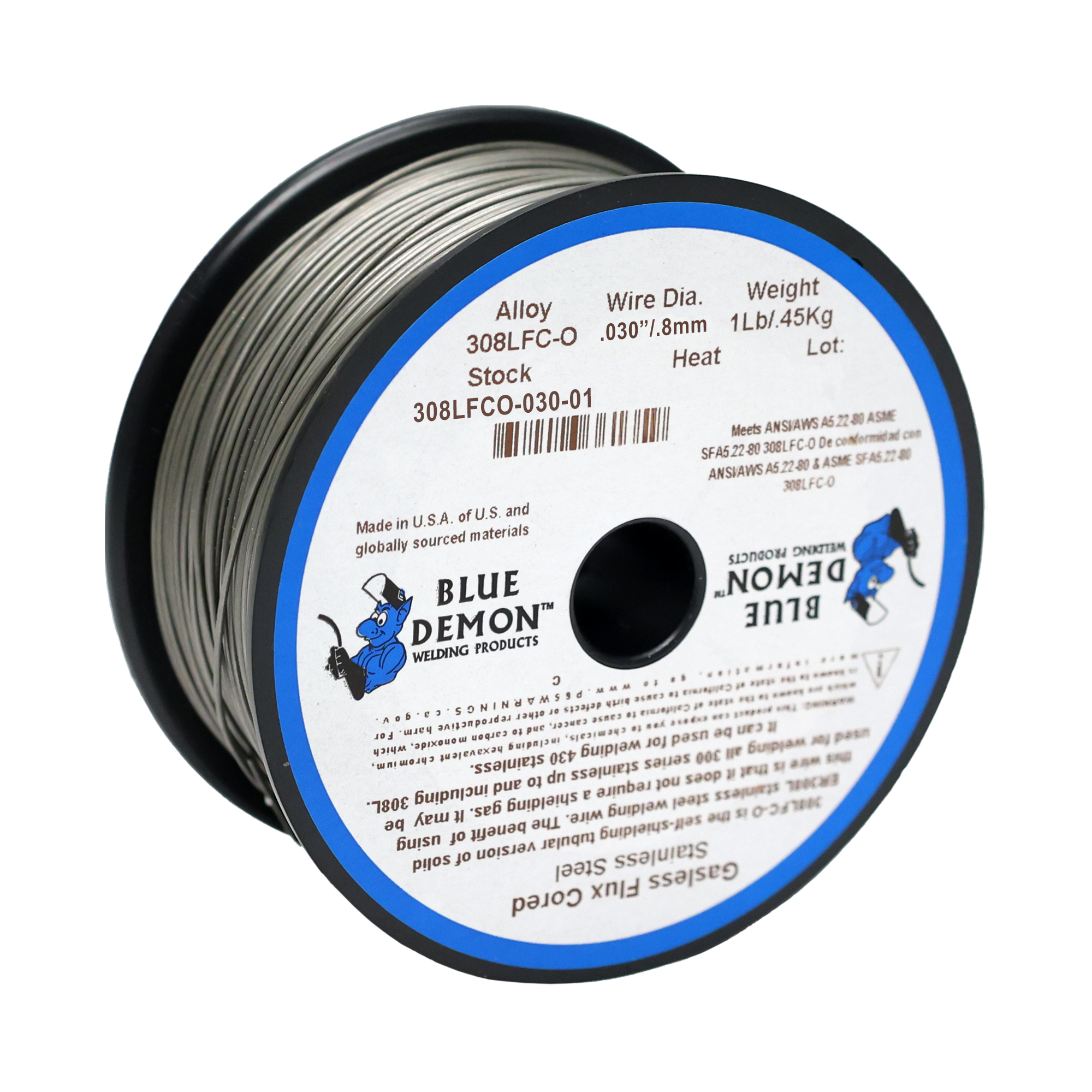
Credit: www.twusa.com
Choosing The Right Stainless Steel Flux Core Wire
Not all wires are the same. Picking the right one depends on the metal, job type, and your equipment. Here’s a quick comparison of popular grades:
| Wire Grade | Main Use | Corrosion Resistance |
|---|---|---|
| 308L | Food equipment, tanks | Good |
| 309L | Dissimilar metals, structural work | Very Good |
| 316L | Chemical, marine, pipes | Excellent |
Some key points to check before buying:
- Wire diameter: Thicker wire (like 0.045″) is for heavy jobs; thinner wire (0.035″) suits lighter projects.
- Welding position: Some wires are better for overhead or vertical welds.
- Base metal compatibility: Match the wire to your stainless grade for best results.
A common mistake is using the wrong grade. For example, using 308L wire on marine jobs can lead to corrosion. Always check your base metal and environment.
How To Use Stainless Steel Flux Core Wire
Welding with stainless flux core wire is not difficult, but following the right steps helps ensure strong, clean welds.
- Prepare the surface: Remove oil, paint, and heavy rust from the joint area.
- Set your welder: Choose the correct wire feed speed and voltage for your wire diameter.
- Adjust travel speed: Move steadily to avoid excessive spatter and porosity.
- Weld in the right direction: Most flux core wires work best with a “drag” technique—pulling the torch.
- Check for slag: After welding, let the weld cool and chip away any slag covering the bead.
Here’s a quick settings comparison for common wire sizes:
| Wire Size | Voltage Range | Amperage Range | Best for |
|---|---|---|---|
| 0.035″ | 16–20 V | 100–150 A | Sheet metal, light fabrication |
| 0.045″ | 18–24 V | 140–220 A | Thick plates, structural jobs |
A tip many beginners miss: always check the wire label for polarity. Stainless flux core wire almost always needs DCEN (Direct Current Electrode Negative), but mistakes here can ruin weld quality.
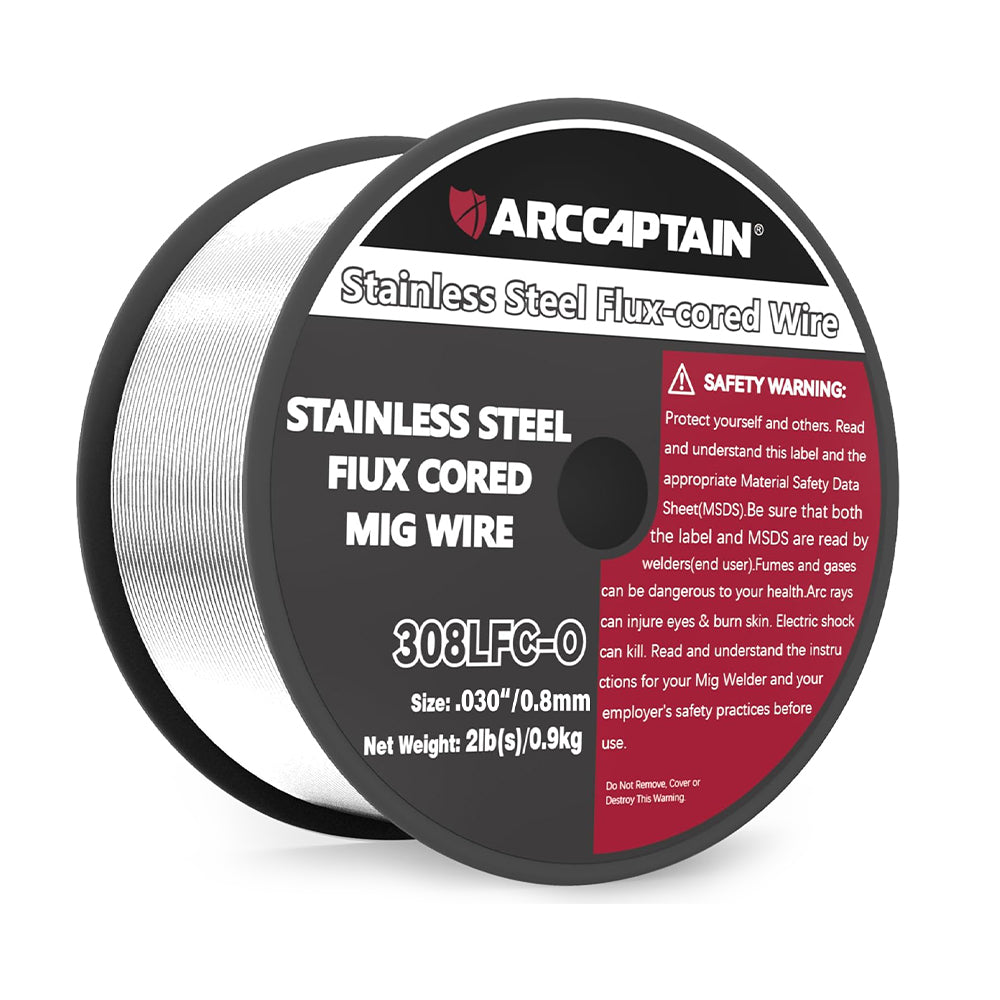
Credit: www.arccaptain.com
Common Problems And Solutions
Even experienced welders run into trouble. Here are a few issues and how to fix them:
- Excessive spatter: Try lowering voltage or adjusting wire speed.
- Porosity: Clean metal more thoroughly or slow your travel speed.
- Slag inclusions: Use proper technique and chip slag fully before overlapping welds.
- Weak welds: Check polarity and wire selection—wrong settings can cause poor penetration.
Many beginners don’t realize that stainless flux core wire can absorb moisture. Store your wire in a dry, sealed container to prevent defects.
Cost And Efficiency
Stainless steel flux core wire costs more than mild steel wire—usually $8–$15 per pound, depending on grade and diameter. But the efficiency offsets price:
- No need for gas cylinders ($60–$100 savings per setup)
- Faster setup and cleanup
- Higher deposition rates—more weld per hour
Here’s a quick cost comparison:
| Wire Type | Average Price/lb | Shielding Needed |
|---|---|---|
| Stainless Flux Core | $10–$15 | No external gas |
| Solid Stainless MIG | $8–$12 | Argon/CO₂ gas |
While the wire is pricier, you save on gas and time, especially for short jobs or remote locations.
Practical Tips For Best Results
- Keep your wire dry and sealed.
- Use the correct polarity (DCEN).
- Clean the metal thoroughly.
- Test settings on scrap before starting your main weld.
- Chip away all slag after each pass.
- Start with 0.035″ wire for most home projects.
For detailed specifications, visit the Wikipedia FCAW page.
Frequently Asked Questions
What Is The Difference Between Stainless Flux Core Wire And Solid Stainless Mig Wire?
Stainless flux core wire contains flux inside, creating its own shielding. Solid MIG wire needs an external shielding gas (usually argon/CO₂). Flux core is better outdoors and for quick jobs, while solid MIG wire produces cleaner welds indoors.
Can I Use Stainless Steel Flux Core Wire In A Regular Mig Welder?
Yes, most MIG welders can use stainless flux core wire. Make sure your machine supports the correct polarity (DCEN) and check the wire diameter for compatibility.
Is Flux Core Wire Safe For Food Equipment?
If you use the right grade (like 308L), stainless flux core wire produces welds suitable for food equipment. Always remove slag and clean the weld thoroughly before use.
Does Stainless Steel Flux Core Wire Rust?
Stainless flux core wire is designed to resist rust. However, incorrect wire selection or poor cleaning can allow rust to develop, especially in harsh environments.
How Do I Store Stainless Steel Flux Core Wire?
Keep the wire in a dry, sealed container. Moisture can ruin the flux and cause weld defects. Store leftovers with silica gel packs for extra protection.
Stainless steel flux core wire is a powerful tool for fast, reliable welds—especially when gas is impractical or environments are harsh. With the right technique, wire choice, and storage, you can achieve strong, corrosion-resistant joints in almost any setting.

Credit: www.amazon.com