
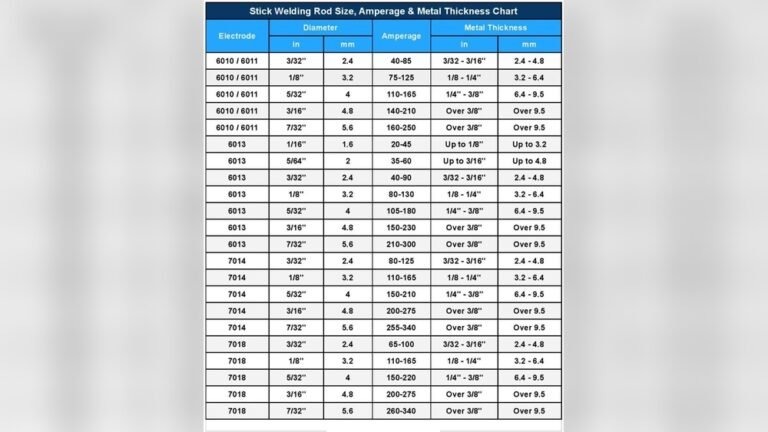
Choosing the right MIG welding wire size can make a big difference in your weld quality, speed, and project success. Many beginners struggle to pick the correct wire diameter for their job. This guide will help you understand wire size charts, compare wire sizes, and select the best fit for your metal thickness and welding machine.
Even experienced welders sometimes overlook key details—so you’ll find some practical tips that many miss.
Mig Welding Wire Size Basics
MIG welding uses a continuous wire electrode fed through a welding gun. The wire diameter affects penetration, weld bead shape, and how easy it is to control the arc. The most common wire sizes are .023″, .030″, .035″, and .045″ (inches). Each size suits different metal thickness and project types.
For beginners, knowing the ideal wire size for your metal is essential. Too thin, and your welds may be weak. Too thick, and you risk burning through or making messy beads.
Standard Mig Welding Wire Size Chart
Here’s a practical chart showing recommended wire sizes for various metal thicknesses and welding settings:
| Wire Size (inches) | Metal Thickness (inches) | Amperage Range | Common Uses |
|---|---|---|---|
| .023 | Up to 1/8″ | 30–90 | Thin sheet metal, auto body |
| .030 | 1/8″–3/16″ | 40–150 | Light fabrication, home repair |
| .035 | 3/16″–1/4″ | 50–180 | General fabrication, farm repair |
| .045 | 1/4″–1/2″ | 90–250 | Heavy structural, industrial |
This chart gives you a quick reference, but always check your welding machine’s manual for its maximum wire capacity.
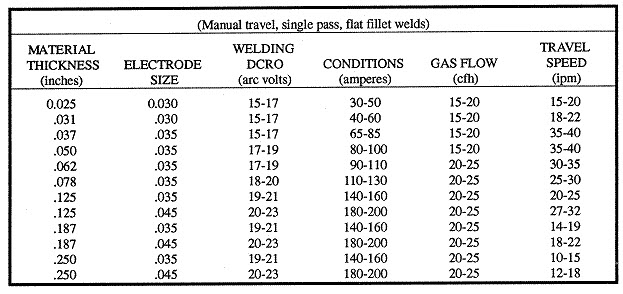
Credit: www.wcwelding.com
How Wire Size Affects Welding Quality
Picking the right wire diameter is more than just matching numbers. Wire size changes the welding experience:
- Smaller wire (.023″): Best for thin metal. Easier control, less heat, cleaner welds. Perfect for car panels and light sheets.
- Medium wire (.030″, .035″): Handles most home and farm projects. Good balance of penetration and control.
- Large wire (.045″): Needed for thick, heavy metals. Delivers deep penetration but needs a powerful welder.
Many beginners use. 035″ wire for everything. This works for general use, but it’s not ideal for fine work or thick plates.
Comparison Of Wire Sizes And Applications
To see the differences more clearly, look at this wire size comparison:
| Wire Size | Penetration | Arc Stability | Ease of Use |
|---|---|---|---|
| .023″ | Low | High | Easy |
| .030″ | Medium | High | Moderate |
| .035″ | High | Medium | Moderate |
| .045″ | Very High | Lower | Challenging |
Key insight: A wire with higher penetration is not always better. If your metal is thin, too much penetration can cause burn-through.
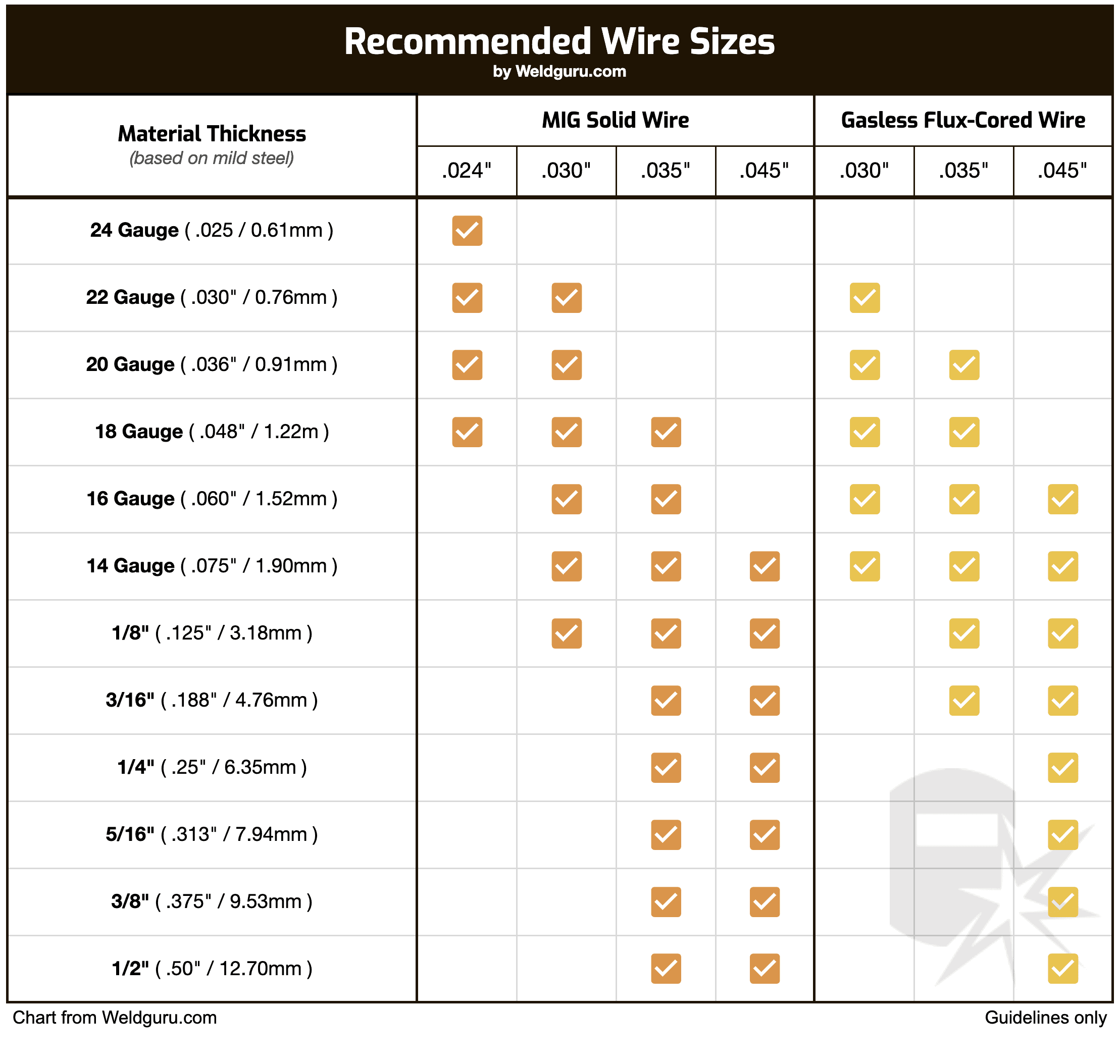
Credit: weldguru.com
Matching Wire Size To Your Welding Machine
Your MIG welder has limits. Most home machines can handle up to .035″ wire. Industrial machines can go larger. Always check:
- Wire feed mechanism: Small machines may jam with thick wire.
- Amperage capacity: Make sure your machine can supply enough power for big wires.
- Drive rollers: Use correct rollers for wire size; wrong rollers can slip or crush the wire.
If you’re unsure, start with. 030″ wire—it’s versatile and works on many machines.
Choosing Wire Size By Project Type
Different projects need different wire sizes. Here are common examples:
- Auto body repair: .023″ wire for clean, precise welds.
- General home or farm repair: .030″ or .035″ for strength and flexibility.
- Heavy equipment: .045″ wire for deep, strong welds.
Non-obvious tip: For vertical or overhead welding, use smaller wire for better control and less spatter.
Wire Size And Shielding Gas
Wire size also affects the type and amount of shielding gas needed. Thicker wire needs more gas flow to protect the weld. Here’s a quick guide:
| Wire Size | Shielding Gas Flow (CFH) | Gas Mix |
|---|---|---|
| .023″ | 15–20 | 75% Argon / 25% CO2 |
| .030″ | 20–25 | Same |
| .035″ | 25–30 | Same |
| .045″ | 30–40 | 100% CO2 or mix |
A common mistake is to use low gas flow with thick wire. This leads to porous, weak welds.
Practical Tips For Better Results
- Clean your wire drive system often. Dust or rust can jam the wire, especially with smaller sizes.
- Store wire spools in a dry place. Moisture causes rust, which affects the weld.
- Test your setup on scrap metal before starting your real project.
- If you switch wire sizes, adjust your welder settings. Voltage and wire speed must match the new wire.
For more technical details and official charts, check the Lincoln Electric Welding Wire Guide.
Frequently Asked Questions
What Happens If I Use The Wrong Wire Size?
Using the wrong wire can cause poor penetration, weak welds, or excessive spatter. For thin metals, thick wire may burn through. For thick metals, thin wire won’t join surfaces well.
Can I Use .035″ Wire For All Projects?
You can use .035″ wire for many jobs, but it’s not perfect for everything. It works well for mild steel up to 1/4″ thick but is too large for fine sheet metal and too small for heavy plates.
How Do I Know My Welder’s Maximum Wire Size?
Check your welder’s manual or look for a sticker near the wire feed. Most home machines max out at .035″. Industrial welders accept .045″ or larger.
Does Wire Size Affect Welding Speed?
Yes. Thicker wire allows faster deposition and higher speed, but only if your machine can handle it. Using too thick wire on a weak machine slows you down and can cause jams.
Is Wire Size Important For Aluminum Mig Welding?
Absolutely. Aluminum is softer, so use .030″ or .035″ wire. Thicker wire can jam and is hard to feed. Also, you need a special liner and drive rollers for aluminum wire.
Final Thoughts
Understanding the MIG welding wire size chart helps you get strong, clean welds and avoid common mistakes. Always match wire size to your metal thickness, project type, and welder specs. Take time to test your setup, and don’t ignore the importance of clean wire and proper gas flow. With the right wire, your welding will be easier and more reliable—whether you’re fixing a car, building a fence, or working in industry.

Credit: weldingdirect.com