
Mig welding aluminum is a popular method for joining lightweight metals. Aluminum is used in cars, airplanes, and construction because it is strong and resistant to rust. However, welding aluminum is very different from welding steel. If you are new to MIG welding, it’s important to know the special steps and challenges involved.
Getting it right means strong, neat welds that last.
Understanding Aluminum For Mig Welding
Aluminum is softer and melts at a lower temperature than steel. It also conducts heat much faster, which means it can warp or burn through if you use too much heat. Unlike steel, aluminum forms a thin layer of oxide on its surface. This oxide melts at a much higher temperature and must be cleaned off before welding, or the weld will be weak.
You should always use 100% argon gas as your shielding gas for MIG welding aluminum. Argon protects the weld area from air and makes a cleaner weld. The recommended wire for MIG welding aluminum is ER4043 or ER5356 alloy, usually in sizes 0.030–0.035 inches.
Preparing For Mig Welding Aluminum
Preparation is key. Here’s what you need to do:
- Clean the aluminum: Use a stainless steel wire brush to remove oxide and dirt. Do not use a brush that has touched steel.
- Check the fit: Aluminum warps easily, so keep pieces tightly clamped and aligned.
- Set up your welder: Use a spool gun if possible. Aluminum wire is soft and can tangle in regular MIG guns.
Mig Welding Aluminum Vs Steel
See how aluminum welding differs from steel welding:
| Factor | Aluminum | Steel |
|---|---|---|
| Melting Point | ~1220°F | ~2500°F |
| Wire Type | ER4043, ER5356 | ER70S-6 |
| Shielding Gas | 100% Argon | CO2 or Argon mix |
| Cleaning Needed | Very important | Less critical |

Credit: www.reddit.com
Mig Welding Aluminum: Step-by-step
Follow these steps for best results:
- Set welder to high amperage: Aluminum needs more heat than steel. Start with 1 amp per 0.001 inch of material thickness.
- Install a spool gun: This prevents the wire from tangling or jamming.
- Use push technique: Hold the gun at a 10–15° angle and push the weld forward. Do not pull.
- Keep your speed steady: Move quickly to avoid overheating and burning through.
- Weld in short bursts: This helps control heat and reduces warping.
A common mistake is to use a regular MIG gun without a spool gun. Aluminum wire is too soft and can jam easily. Another mistake is to use the same settings as steel. Aluminum needs higher voltage and faster wire feed.
Choosing The Right Settings
Selecting the proper settings for your MIG welder is crucial. The wire feed speed and voltage must match the thickness of your aluminum.
| Aluminum Thickness | Wire Feed Speed (IPM) | Voltage (V) |
|---|---|---|
| 1/16″ | 200–300 | 17–18 |
| 1/8″ | 250–350 | 18–20 |
| 3/16″ | 300–400 | 20–22 |
Always test your settings on scrap aluminum before starting your main project.
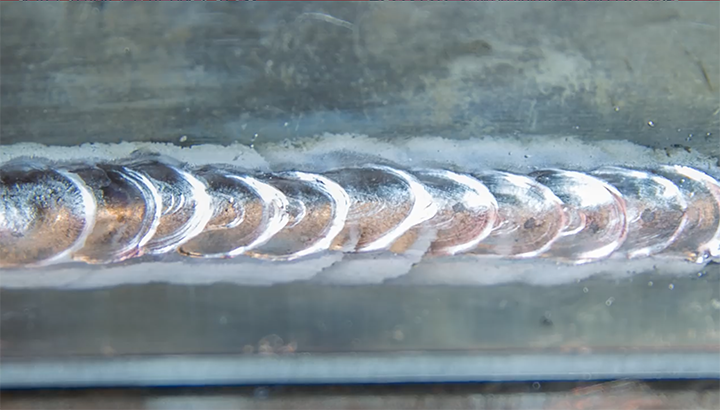
Credit: www.millerwelds.com
Practical Tips For Better Results
- Use short stick-out: Keep the distance from gun tip to workpiece short, about 3/8 inch.
- Preheat thicker pieces: For aluminum thicker than 1/4 inch, preheat to 200–300°F to prevent cracking.
- Keep your workspace clean: Dust and oil can ruin welds.
- Wear proper PPE: Aluminum welding produces bright light and fumes. Use a welding helmet and gloves.
Many beginners forget to preheat thicker aluminum. This step helps prevent cold lap and ensures deeper penetration.
Common Problems And Solutions
Aluminum welding can lead to several problems:
- Porosity: Caused by dirty surfaces or poor gas coverage. Clean well and check gas flow.
- Burn-through: Moving too slow or using too high heat. Use short bursts and adjust amperage.
- Wire jams: Avoid using regular MIG guns; use a spool gun for soft aluminum wire.
If your weld looks gray or cracked, the surface was not clean or you used the wrong wire.
Applications And Examples
MIG welding aluminum is used in:
- Auto body repair: Fixing car panels and frames
- Boat building: Joining aluminum hulls and decks
- Aerospace: Assembling aircraft parts
- Home projects: Making bike frames, ladders, and garden furniture
For example, the Ford F-150 uses aluminum panels for lighter weight and better fuel economy. MIG welding is key in manufacturing these trucks.
Cost And Equipment Comparison
Here’s how MIG welding aluminum compares to other methods:
| Welding Method | Equipment Cost | Skill Level | Speed |
|---|---|---|---|
| MIG | Medium | Beginner-Friendly | Fast |
| TIG | High | Advanced | Slow |
| Stick | Low | Medium | Medium |
MIG is the best choice for most hobbyists and small shops. TIG welding makes cleaner welds, but it is slower and needs more skill.

Credit: www.youtube.com
Frequently Asked Questions
What Gas Should I Use For Mig Welding Aluminum?
Always use 100% argon gas. It gives the best protection and clean welds. Do not use CO2 or argon mixes.
Can I Use A Regular Mig Gun For Aluminum?
It’s possible, but a spool gun is better. Aluminum wire is soft and can jam in regular guns. Spool guns feed wire directly and reduce problems.
How Do I Avoid Porosity In Aluminum Welds?
Clean the surface well, use the right gas, and check for leaks in your hose. Porosity is often caused by dirt or moisture.
What Thickness Can I Weld With Mig?
MIG welding works best for aluminum sheets between 1/16 and 1/2 inch thick. For thicker pieces, preheat and use higher amperage.
Is Mig Welding Aluminum Harder Than Steel?
Yes. Aluminum needs more heat, careful cleaning, and special wire. Beginners should practice on scrap pieces first.
MIG welding aluminum can be tricky, but with careful preparation and the right equipment, you can achieve strong, neat welds. Practice, patience, and good cleaning are the keys to success. If you want to learn more, visit Wikipedia for deeper details.