
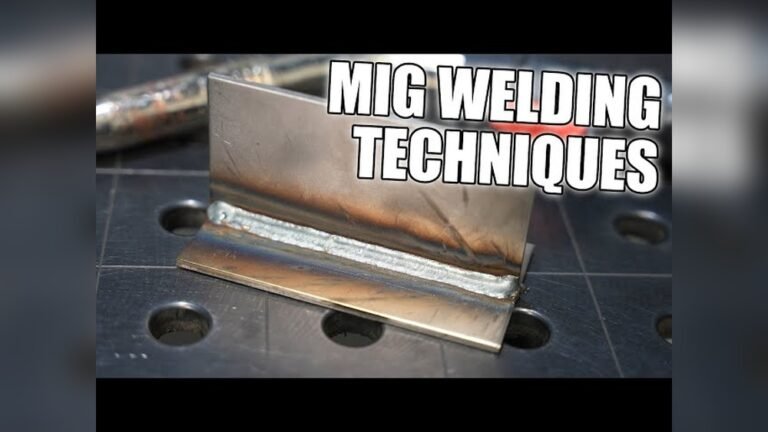
Choosing The Best Mig Welder For Beginners
MIG welding is a popular skill for hobbyists, home repair, and even small business projects. It’s known for being simple, fast, and flexible. But for beginners, picking the right MIG welder can feel confusing. There are many models, features, and price points. If you’re new to welding, you want a machine that’s easy to use, safe, and offers room to grow. In this guide, you’ll learn what matters when buying your first MIG welder, see top beginner-friendly models, and get practical advice to avoid common mistakes.
What Makes A Mig Welder Beginner-friendly?
Not all welders are equally good for newcomers. Some are too powerful, complex, or expensive. Here are the features that make a MIG welder perfect for beginners:
- Simple controls: Clear knobs and switches make setup easy.
- Lightweight design: Easier to move and store.
- Automatic settings: Some models adjust wire speed and voltage for you.
- Safety features: Overheat protection and sturdy casing matter.
- Dual voltage: Welders that work with 110V and 220V are more flexible.
A beginner-friendly machine should also handle common materials like mild steel, stainless steel, and sometimes aluminum.
Top 5 Mig Welders For Beginners
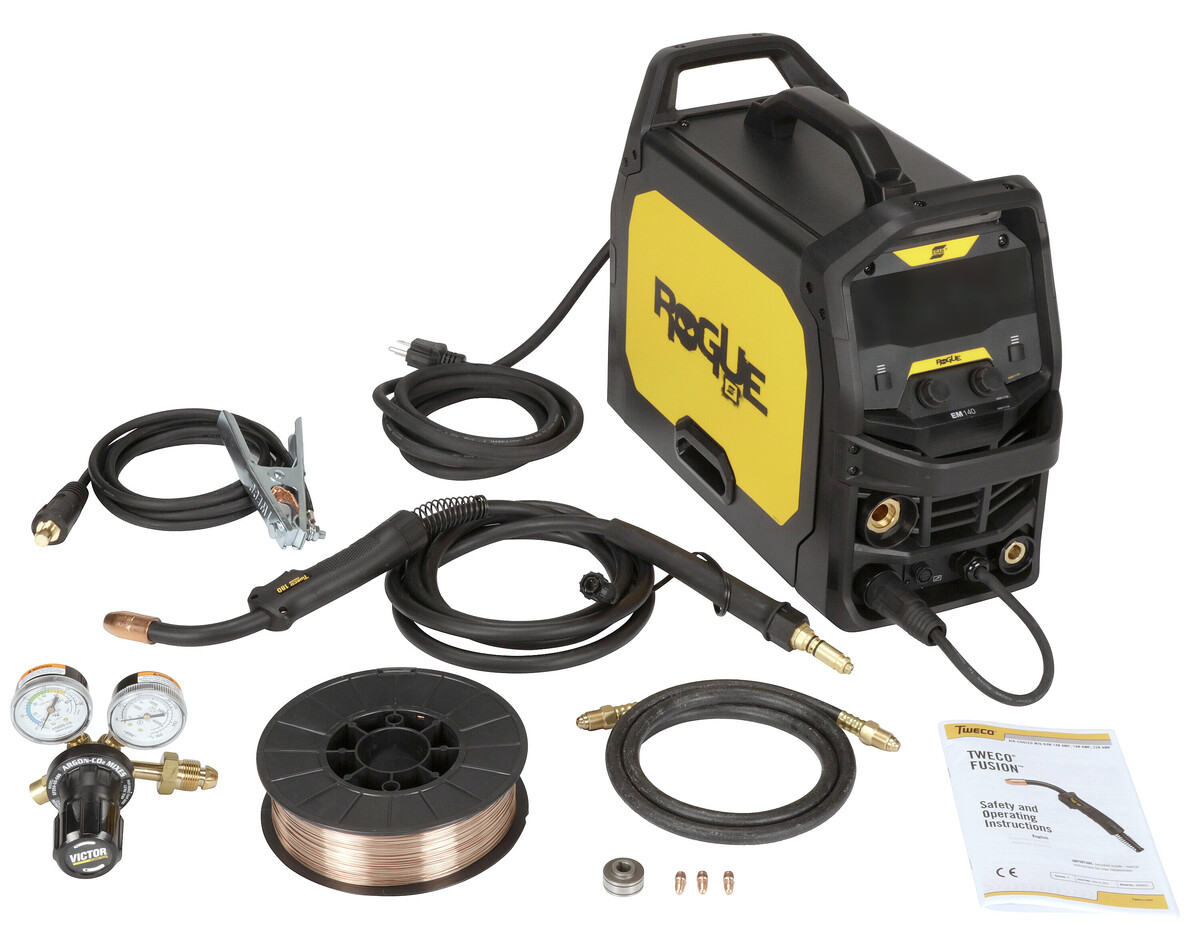
To help you choose, here are five popular MIG welders trusted by beginners. Each offers good value, ease of use, and reliable performance.
| Model | Max Output | Weight | Voltage | Price (USD) |
|---|---|---|---|---|
| Lincoln Electric K2185-1 | 88A | 46 lbs | 110V | $350 |
| Hobart Handler 140 | 140A | 57 lbs | 110V | $520 |
| Forney Easy Weld 140 FC-I | 140A | 19 lbs | 110V | $299 |
| Eastwood MIG 135 | 135A | 43 lbs | 110V | $330 |
| YESWELDER MIG-205DS | 205A | 28 lbs | 110/220V | $399 |
Lincoln Electric K2185-1
This compact welder is great for small jobs and repairs. It’s simple, sturdy, and widely available. The low output is safe for thin metals.
Hobart Handler 140
A favorite in the US, this model has clear controls and smooth feeding. It welds up to 1/4-inch steel, perfect for car work and DIY.
Forney Easy Weld 140 Fc-i
Very lightweight and portable. It’s a flux core model, so you don’t need gas. Ideal for beginners without a dedicated workspace.
Eastwood Mig 135
Easy to set up and affordable. Good for garage projects and learning basic welds.
Yeswelder Mig-205ds
Offers both MIG and TIG options and dual voltage. More advanced, but it’s still simple enough for beginners who want flexibility.
Credit: weldguru.com
Comparing Key Features
Some welders stand out for certain jobs. Here’s how the top models compare for beginner needs:
| Model | Ease of Use | Material Thickness | Wire Feed Speed |
|---|---|---|---|
| Lincoln Electric K2185-1 | Very Easy | Up to 1/8″ | Adjustable |
| Hobart Handler 140 | Easy | Up to 1/4″ | Adjustable |
| Forney Easy Weld 140 FC-I | Easy | Up to 1/4″ | Adjustable |
| Eastwood MIG 135 | Easy | Up to 3/16″ | Adjustable |
| YESWELDER MIG-205DS | Moderate | Up to 3/8″ | Digital |
Key Buying Factors For Beginners
Before buying, consider these points:
- Budget: Don’t overspend. Most beginner welders cost $300–$550.
- Power needs: If you’ll weld thick metal, get higher amperage (140A or more).
- Portability: If you move your welder often, pick a lighter model.
- Wire size: Most beginners use .030″ or .035″ wire. Make sure your welder supports these sizes.
- Safety: Look for thermal overload protection and solid build quality.
Many beginners forget to check their home’s electrical capacity. Most entry-level welders run on standard 110V outlets, but some require 220V. Always check before buying.
Credit: www.weldersupply.com
Common Mistakes Beginners Make
It’s easy to make errors when starting out. Here are mistakes to avoid:
- Buying too powerful: Large welders are harder to control and can overheat thin metals.
- Ignoring gas requirements: Some MIG welders need shielding gas; others use flux core wire. Understand which you prefer.
- Skipping safety gear: Always wear welding gloves, mask, and protective clothing.
- Not reading manuals: Many problems come from incorrect setup. Read instructions carefully.
A less obvious tip: Beginners often forget to clean the metal before welding. Dirt, oil, or rust can ruin your weld.
Practical Tips For New Welders
- Practice on scrap metal before real projects.
- Start with short welds to avoid overheating.
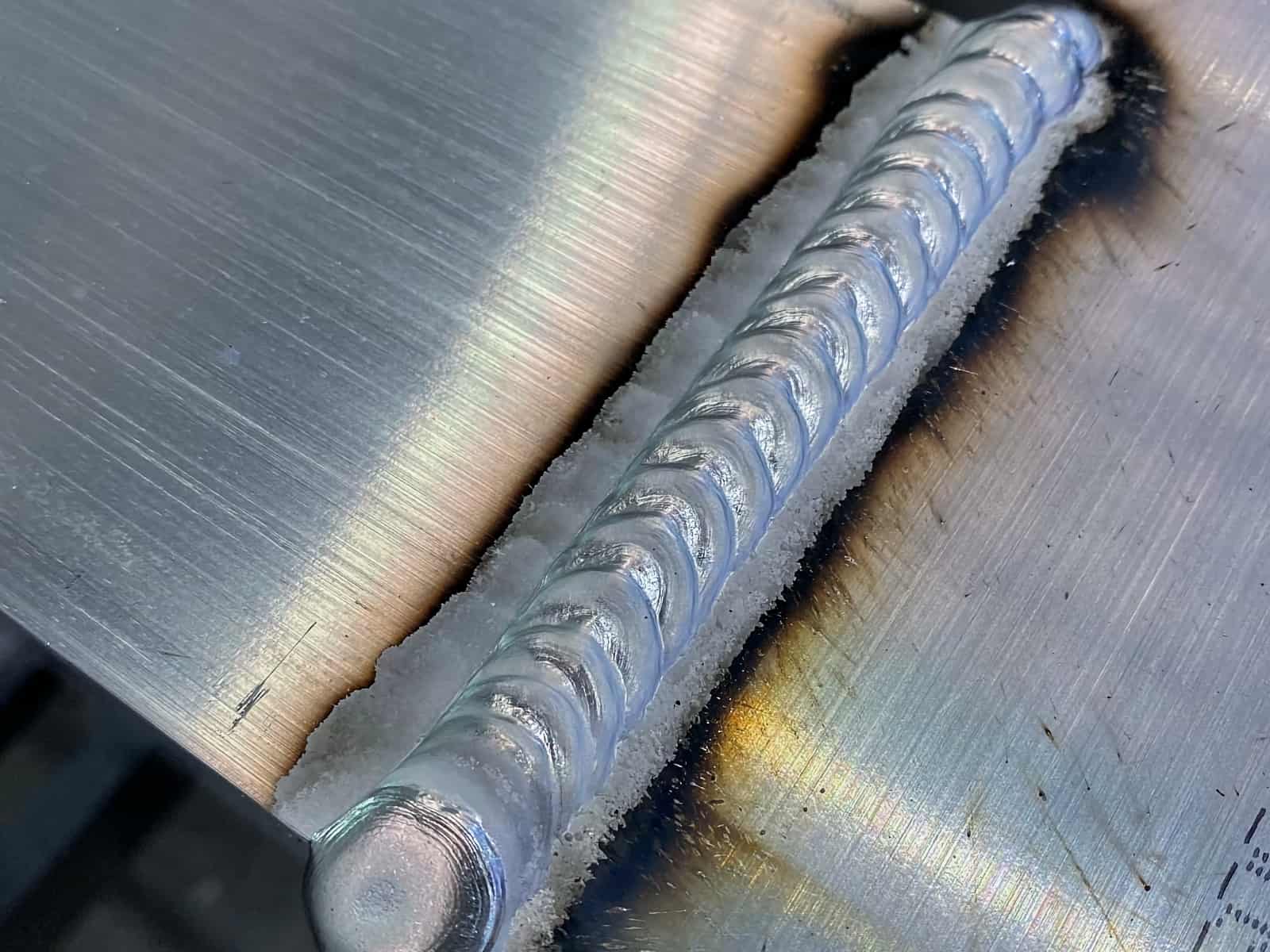
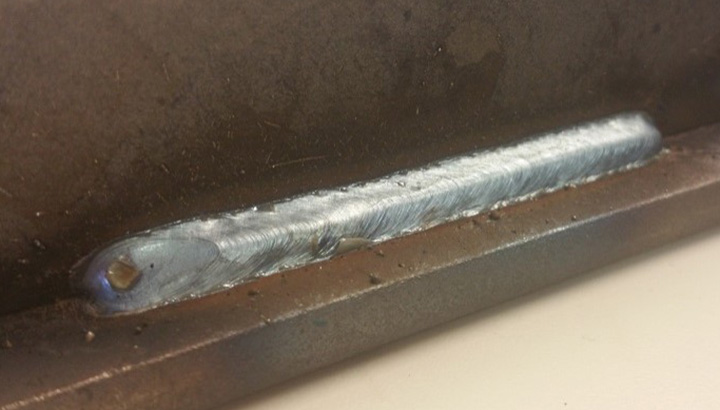
- Adjust wire speed and voltage slowly until you see smooth results.
- Watch for the sound: A good weld makes a steady “buzz,” not popping or crackling.
If you want detailed guides, the American Welding Society has beginner resources: American Welding Society.
Credit: www.millerwelds.com
Frequently Asked Questions
What Is The Easiest Mig Welder For Beginners?
The Forney Easy Weld 140 FC-I is one of the simplest to use. It’s lightweight, has clear controls, and works without gas.
Can I Weld Aluminum With A Beginner Mig Welder?
Most entry-level models can weld aluminum only if you use special wire and a spool gun. Some, like the YESWELDER MIG-205DS, support this with upgrades.
Do I Need Gas For Mig Welding?
Not always. Flux core MIG welders use wire that creates its own shielding. Gas MIG welders need a tank of argon or CO2. Beginners often prefer flux core for its simplicity.
How Thick Of Metal Can I Weld?
Most beginner MIG welders handle up to 1/4-inch steel. Higher amperage models can weld thicker, but always check your welder’s specs.
What Safety Gear Should I Use?
Always wear a welding helmet with auto-darkening lens, gloves, long sleeves, and closed-toe shoes. Good safety gear prevents burns and eye injuries.
Getting the right MIG welder makes starting your welding journey much easier. By focusing on simple controls, safety, and power that fits your needs, you’ll build skills quickly and avoid frustration. With practice, you’ll move from basic repairs to creative projects in no time.