
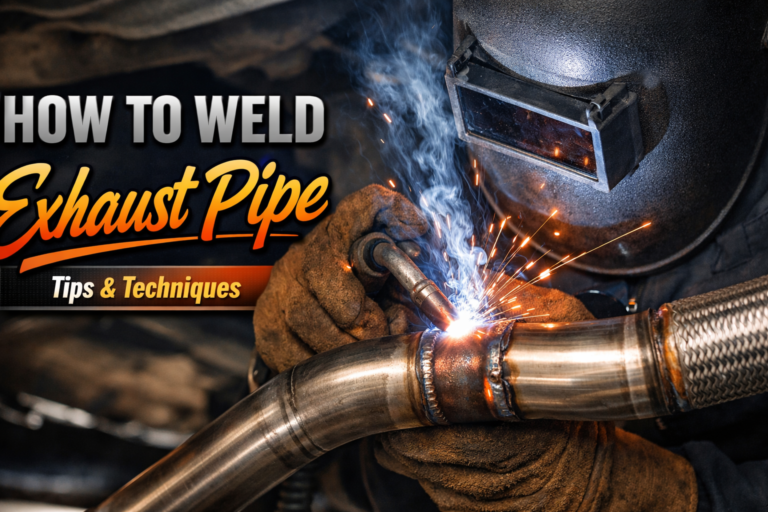
Welding exhaust pipes is a valuable skill for car owners and DIY enthusiasts. A cracked or leaking exhaust can cause noise, reduced fuel efficiency, and even fail emissions tests. While many people think welding is only for professionals, you can learn to weld exhaust pipes with the right tools, preparation, and safety measures.
This guide covers everything you need to know to get started, avoid common mistakes, and achieve strong, long-lasting welds.
What You Need Before Welding
Welding exhaust pipes requires more than just a welder. Preparation is critical for a safe and successful job. Here are the essentials:
- Welding machine: MIG welders are most common for exhaust work, but TIG welders give cleaner results.
- Protective gear: Welding helmet, gloves, long-sleeve shirt, safety glasses, and a fireproof apron.
- Angle grinder: For cutting and cleaning pipe edges.
- Clamps: To hold pipes firmly.
- Measuring tape: For accurate cuts.
- Wire brush or sandpaper: To clean metal surfaces before welding.
- Exhaust pipe material: Usually steel or stainless steel.
Never skip safety equipment, even for small jobs. Exhaust repairs can create dangerous fumes and sparks.
Choosing The Right Welding Method
Not all welding methods work equally well on exhaust pipes. Here’s a quick comparison:
| Method | Pros | Cons |
|---|---|---|
| MIG Welding | Easy to learn, good for thin metal | Welds may need grinding, requires shielding gas |
| TIG Welding | Clean, precise welds | Slower, harder to master |
| Stick Welding | Works outdoors, low cost | Harder on thin pipes, less neat |
For beginners, MIG welding is the most forgiving. TIG is best for stainless steel or show-quality finishes. Stick welding is rarely used for exhaust pipes due to risk of burning through thin metal.

Credit: burnsstainless.com
Step-by-step: How To Weld Exhaust Pipe
Welding exhaust pipes is not just about joining two pieces. Preparation and technique matter a lot. Follow these steps:
1. Prepare The Area
Work in a well-ventilated spot, away from flammable materials. Disconnect the car battery to avoid electrical shorts. Support the car securely with jack stands if working underneath.
2. Clean And Cut Pipes
Use an angle grinder to cut the damaged section or to fit a new pipe. Clean the edges with a wire brush or sandpaper. Rust, paint, or oil can ruin your weld.
3. Fit And Clamp The Pipes
Dry-fit the pipes together. The gap should be as small as possible—ideally less than 1/16 inch. Use clamps to hold everything steady.
4. Tack Weld
Start with tack welds—small welds at 2-3 points around the joint. This keeps the pipe from moving or warping.
5. Complete The Weld
Weld around the pipe in short sections, letting the metal cool between passes. Move the welder in a slow, steady motion. Overheating can burn through thin exhaust metal.
6. Inspect And Finish
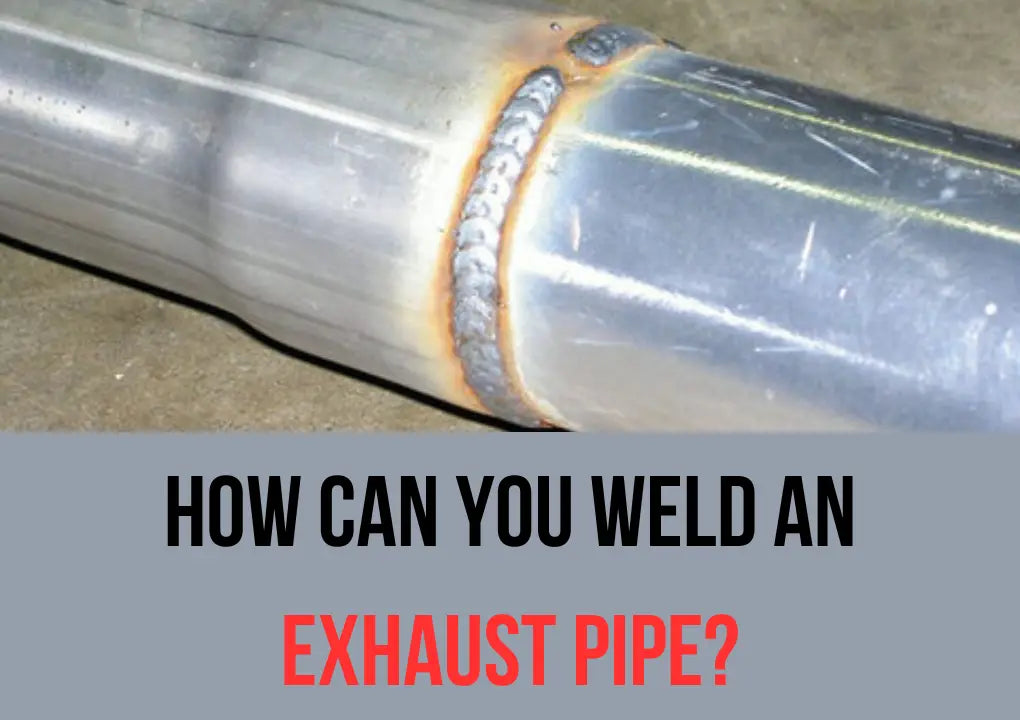
Check for holes or weak spots. If needed, grind welds smooth, especially if the area is close to moving parts. For a professional look, use a flap disc on the grinder.
Common Problems And How To Avoid Them
Welding thin exhaust pipes comes with unique challenges. Here are some issues and solutions:
| Problem | How to Fix |
|---|---|
| Burn-Through | Lower the welder’s power, move faster, or use a heat sink behind the weld |
| Poor Fit-Up | Trim and file pipe ends for a tight fit before welding |
| Porosity (holes in weld) | Clean the metal, use proper shielding gas, avoid drafts |
| Cracking | Weld in short sections, allow cooling between passes |
Many beginners miss how important fit-up is. Even small gaps make welding much harder and weaken the joint.

Credit: www.youtube.com
Tips For A Longer-lasting Repair
- Always use pipe material that matches the rest of your exhaust. Mixing stainless and mild steel can cause early rust.
- If you lack a welder, exhaust repair sleeves or clamps are a temporary fix, but they rarely last as long as a proper weld.
- After welding, spray the area with high-temperature paint to prevent rust.
- Inspect your work after a test drive—listen for leaks and check welds for cracks.
If you’re unsure about your welds, many local shops will pressure-test exhausts for a small fee.
Cost And Time Estimates
Welding your own exhaust pipe is often cheaper than replacing the whole section. Here’s what to expect:
| Item | Average Cost |
|---|---|
| MIG Welder (entry-level) | $200 – $400 |
| Protective Gear | $50 – $150 |
| Exhaust Pipe Section | $20 – $50 |
| Shop Labor (if hired out) | $100 – $250 |
A basic weld repair usually takes about 1-2 hours for a beginner, including setup and cleanup.
Credit: www.ssimder.com
Frequently Asked Questions
How Thick Are Most Exhaust Pipes?
Most exhaust pipes are 16 to 18 gauge steel, which is about 0.05 to 0.06 inches thick. This thin material is why careful welding is necessary.
Can You Weld Stainless Steel Exhaust With A Regular Mig Welder?
Yes, but you need stainless steel wire and a shielding gas like argon/CO2 mix. Results are best with a dedicated stainless welder.
Is Welding An Exhaust Pipe Stronger Than Using Clamps?
Welded joints are generally stronger and longer-lasting than clamps, especially in areas exposed to vibration and heat.
Do I Need To Remove The Exhaust To Weld It?
Not always, but removing the exhaust makes it easier to position and clean. Welding on the car can be done, but protect nearby parts from sparks.
Where Can I Learn More About Exhaust Welding Techniques?
A good place to start is the Wikipedia Welding page, which covers welding processes, safety, and tips for beginners.
Learning to weld exhaust pipes takes patience and practice, but it can save you money and give you valuable skills. Start small, follow safety rules, and check your work for leaks. With time, you’ll be able to handle more complex repairs confidently.