
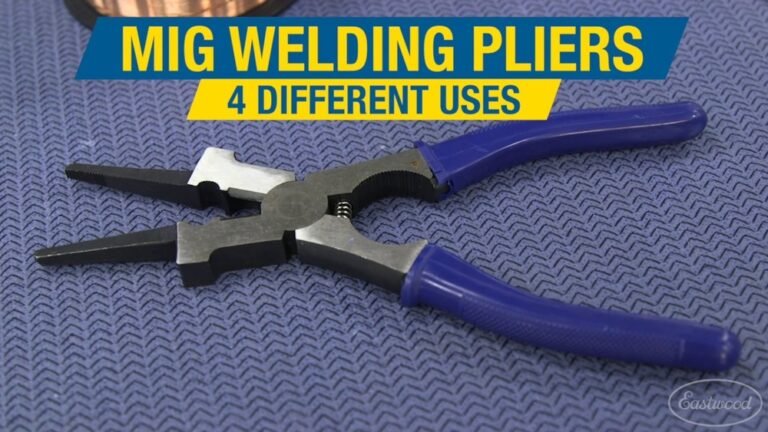
Welding pliers are an essential tool for any welder. They are designed to handle a variety of tasks, from removing slag and spatter to adjusting welding tips and nozzles. Using them correctly can make your welding process smoother, safer, and more efficient.
This guide will walk you through how to use welding pliers effectively, covering their features, common uses, and maintenance.
Understanding Your Welding Pliers
Welding pliers come in various designs, but most share common features. Understanding these parts will help you use them with confidence.
Key Features Of Welding Pliers
Most welding pliers are made of strong steel for durability. They typically include a hammer-like head on one side, used for tapping off excess weld spatter. The jaw section is designed to grip welding consumables like nozzles and tips, allowing for easy removal and installation. Many also feature a torch cleaning hole, often located in the jaw, which helps clean the inside of the welding nozzle. Some models include a wire cutter at the base of the jaws for trimming welding wire.
Types Of Welding Pliers
While the core function remains the same, there are a few variations. Standard welding pliers are the most common, offering a good balance of features. Multi-purpose welding pliers might include extra tools like a small pry bar or a spring-loaded mechanism for easier gripping. Some specialized pliers are designed for specific welding processes like MIG or TIG welding, with features tailored to those applications.
Common Uses For Welding Pliers
These versatile tools are used throughout the welding process, from preparation to cleanup. Mastering their uses can significantly improve your workflow and the quality of your welds.
Removing Spatter And Slag
One of the most frequent uses of welding pliers is removing weld spatter and slag. After welding, small droplets of molten metal (spatter) and hardened slag can stick to your workpiece and the welding torch. The hammer head on the pliers is perfect for gently tapping these off. Be careful not to hit too hard, as you could damage the weld or the workpiece.
Adjusting And Replacing Welding Tips And Nozzles
Welding tips and nozzles can become clogged with spatter or wear out over time. Welding pliers provide a secure grip to unscrew and replace these small but crucial parts. This is especially important for MIG welding, where a clean tip ensures proper wire feeding and gas flow.
A worn or dirty tip can lead to inconsistent welds and frustration.
Torch Cleaning
The cleaning hole in the jaws of many welding pliers is designed to clean the inside of a MIG welding nozzle. By inserting the nozzle into the hole and giving it a twist, you can dislodge accumulated spatter and debris. Keeping your nozzle clean is vital for maintaining the correct shielding gas flow, which protects the molten weld pool from atmospheric contamination.
Cutting Welding Wire
Some welding pliers come with integrated wire cutters. This allows you to quickly trim the welding wire to the correct length before starting a weld or after finishing. This can be particularly useful when working on projects where precise wire length is important.

Credit: www.youtube.com
How To Use Welding Pliers Safely And Effectively
Using your welding pliers correctly not only makes them more effective but also keeps you safe. Always prioritize safety in the workshop.
Proper Grip And Technique
When using the jaws, ensure you have a firm grip on the part you are adjusting. For tips and nozzles, the jaws are designed to fit snugly. When using the hammer head, use controlled taps. Avoid using excessive force, which can cause damage.
Maintenance For Longevity
To keep your welding pliers in good working order, clean them regularly. Remove any accumulated spatter or debris. A light coat of lubricating oil can prevent rust and keep the moving parts (if any) functioning smoothly. Inspect the jaws and hammer head for any signs of wear or damage.
Safety Precautions
Always wear appropriate Personal Protective Equipment (PPE), including welding gloves and safety glasses, even when just using the pliers. Metal spatter can be hot, and sharp edges can cause cuts. Ensure the welding machine is turned off and cooled down before attempting to adjust or clean torch components.
Comparing Common Welding Pliers Features
Different pliers offer varying features that cater to specific needs. Here’s a look at some common differences.
| Feature | Standard Pliers | Multi-Tool Pliers | MIG-Specific Pliers |
|---|---|---|---|
| **Primary Use** | General welding | Versatile tasks | MIG welding focus |
| **Hammer Head** | Yes | Yes | Yes |
| **Tip/Nozzle Grip** | Yes | Yes | Yes |
| **Wire Cutter** | Sometimes | Often | Often |
| **Torch Cleaner** | Often | Often | Standard feature |
| **Pry Bar** | No | Sometimes | No |
| **Spring Loaded** | No | Sometimes | No |
Choosing the right pliers depends on your primary welding tasks. If you primarily do MIG welding, a MIG-specific pair might offer the best combination of features. For general use, standard or multi-tool pliers are excellent choices.

Credit: pliersman.com
Best Practices For Welding Pliers
Beyond the basic functions, a few tips can elevate your use of welding pliers.
Keeping Your Workspace Organized
A common mistake is misplacing your welding pliers. Keep them in a designated spot on your workbench or tool cart. This saves time and prevents frustration during a welding session. When I tested different setups, having a consistent place for my pliers made a noticeable difference in my efficiency.
Understanding Material Compatibility
While most welding pliers are steel, be mindful of the material you are working on. If you are welding delicate or highly polished materials, use the hammer head very gently to avoid marring the surface.
Frequently Asked Questions
What Is The Main Purpose Of Welding Pliers?
The main purpose of welding pliers is to serve as a multi-functional tool for welders, primarily used for removing spatter and slag, adjusting or replacing welding tips and nozzles, and cleaning torch components.
Can I Use Regular Pliers Instead Of Welding Pliers?
While you might be able to perform some tasks with regular pliers, they are not ideal. Welding pliers are specifically designed with features like a hammer head and reinforced jaws to withstand the heat and abuse of a welding environment.
Regular pliers lack these specialized features and can be damaged or unsafe to use in a welding context.
How Often Should I Clean My Welding Pliers?
It’s best to clean your welding pliers after each use. Removing spatter and slag prevents them from hardening and becoming difficult to remove later. A quick wipe-down and occasional oiling will significantly extend their lifespan and ensure they function correctly.
What Is The Hammer Part Of The Welding Pliers Used For?
The hammer part of the welding pliers is used to gently tap and break off hardened spatter and slag from your workpiece and welding torch. It’s designed for controlled impact, not heavy hammering.
Are There Different Sizes Of Welding Pliers?
Yes, welding pliers come in various sizes. Smaller, more compact versions are available for intricate work or lighter welding tasks, while larger, heavier-duty pliers are suited for more demanding industrial applications. The size often correlates with the overall strength and grip capability.