
Learning TIG welding (Tungsten Inert Gas welding) opens up new possibilities for making strong, clean joints in metal. TIG welding is used for everything from bike frames to aircraft parts. It creates precise welds with less spatter and allows you to work with thin materials. But TIG welding is also tricky for beginners. This guide will help you understand the basics, learn the right steps, and avoid common mistakes. You’ll finish with practical advice to improve your welds.
What Is Tig Welding?
TIG welding uses a tungsten electrode and an inert gas (usually argon) to create a weld. The tungsten electrode does not melt. Instead, it makes an electric arc that heats the metal. You control the weld pool by feeding filler metal by hand.
Here’s a simple breakdown:
- The torch holds the tungsten electrode.
- An inert gas (argon) shields the weld from air.
- The filler rod adds metal to the joint.
- The foot pedal or control lets you adjust amperage.
TIG welding is popular for stainless steel, aluminum, and other non-ferrous metals. It’s known for its clean, high-quality welds.
Tig Welding Equipment
You need the right gear to TIG weld safely and effectively. Below is a comparison of essential equipment:
| Equipment | Purpose | Notes |
|---|---|---|
| TIG Welder | Power source for arc | AC for aluminum, DC for steel |
| Torch | Holds tungsten electrode | Air or water-cooled |
| Argon Gas Cylinder | Shields weld from air | Pure argon is best |
| Filler Rods | Adds metal to joint | Choose rod for base metal |
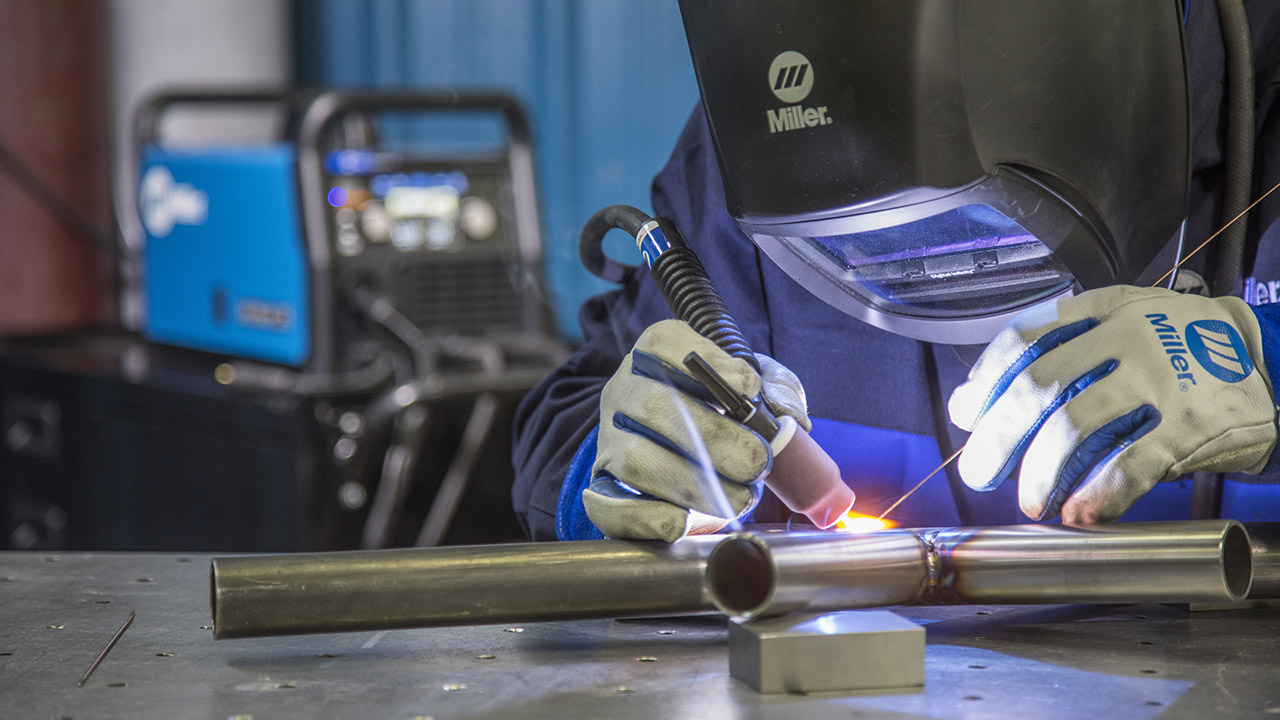
| Safety Gear | Protects from heat, UV | Helmet, gloves, jacket |
Make sure your equipment matches the metal you plan to weld. For example, welding aluminum requires a machine with AC capability.
Credit: www.millerwelds.com
Preparing For Tig Welding
Preparation is key to good results. Follow these steps:
- Clean the metal: Remove rust, oil, and paint. TIG welding is sensitive to contamination. Use a wire brush or grinder.
- Fit the parts: Ensure tight joints. Gaps make welding harder.
- Select the right tungsten: Use green for aluminum (pure tungsten), red for steel (thoriated tungsten).
- Set the welder: Adjust amperage based on material thickness. For thin steel, start around 60-80 amps.
Here’s a quick guide for tungsten and filler rod selection:
| Metal Type | Tungsten Electrode | Filler Rod |
|---|---|---|
| Aluminum | Pure (green) | ER4043 |
| Stainless Steel | Thoriated (red) | ER308L |
| Mild Steel | Thoriated (red) | ER70S-6 |
Tip: Don’t use dirty or oily filler rods. Clean them before use.
Tig Welding Steps
TIG welding takes practice, but these steps will help you get started:
- Wear safety gear: Protect your eyes and skin from UV and heat.
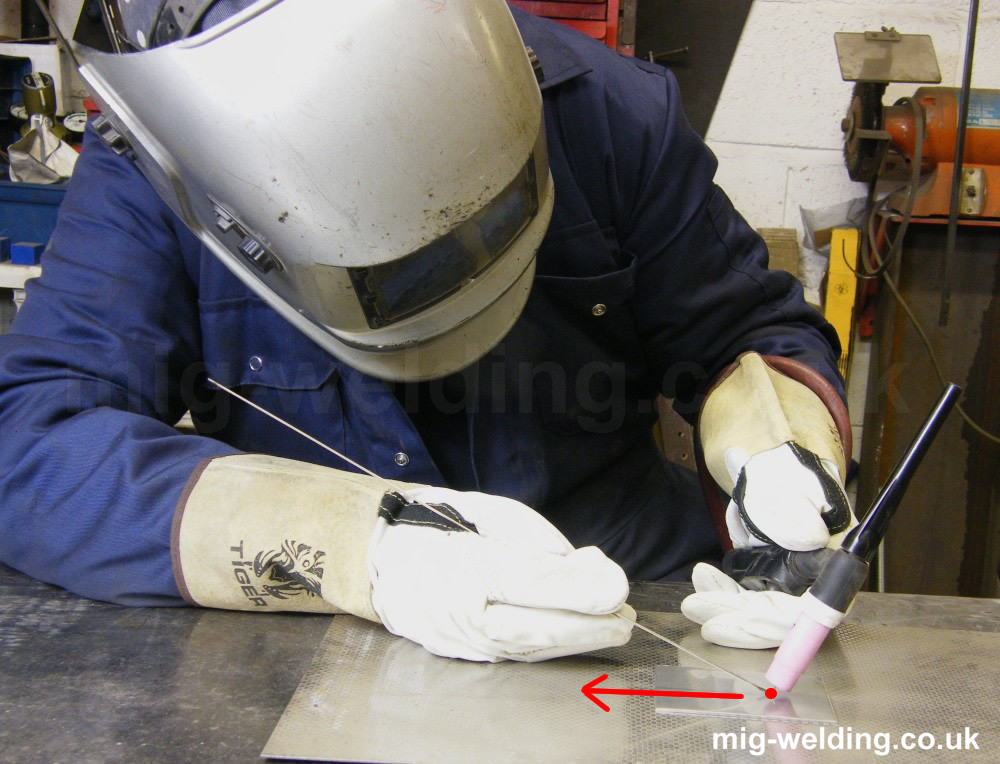
- Hold the torch steady: Angle it about 15 degrees away from the joint. Keep the tungsten 1/8 inch above the metal.
- Start the arc: Press the foot pedal or trigger to begin. The arc should be sharp and stable.
- Feed the filler rod: Use your other hand to dip the rod into the weld pool. Move steadily.
- Move the torch slowly: Keep the arc focused on the joint. Don’t rush; slow movement gives better control.
- Stop the arc gently: Let the weld cool under the gas shield for a few seconds before lifting the torch.
You’ll notice TIG welding is slower than MIG or stick welding, but the results are worth it.
Credit: www.youtube.com
Common Mistakes And How To Fix Them
Even experienced welders make errors. Here are some frequent mistakes and solutions:
- Contamination: If you see black spots or porosity, your metal is not clean enough. Clean again.
- Tungsten touching the weld pool: This contaminates the electrode. Grind it clean and restart.
- Incorrect amperage: If the weld is too wide or burns through, lower the amps. If it’s too narrow or weak, increase amps.
- Poor gas coverage: If the weld looks dull or oxidized, check your gas flow. Use 15-20 cubic feet per hour (CFH).
Non-obvious insight: Holding the torch too far from the joint makes the gas shield less effective. Keep the torch close for best protection.
Tig Welding Tips For Beginners
Improving your TIG welds takes patience. Try these tips:
- Practice on scrap metal before real projects.
- Use both hands for steady movement.
- Watch the weld pool, not the arc.
- Keep filler rod in the gas shield to prevent oxidation.
- If you weld aluminum, preheat the metal for easier starts.
Non-obvious insight: Sharpen your tungsten to a fine point for thin materials; use a rounded tip for thicker metals.
Tig Welding Vs Other Welding Methods
If you wonder how TIG compares to other methods, here’s a quick overview:
| Welding Method | Precision | Material Thickness | Spatter |
|---|---|---|---|
| TIG | High | Thin to medium | Low |
| MIG | Medium | Medium to thick | Medium |
| Stick | Low | Thick | High |
TIG welding is ideal for detail work and thin metals. MIG and stick are better for large, rough jobs.
Frequently Asked Questions
What Metals Can I Tig Weld?
You can TIG weld aluminum, stainless steel, mild steel, copper, and more. Always match the tungsten and filler rod to the metal.
How Do I Prevent Weld Contamination?
Clean the base metal, tungsten, and filler rod carefully. Use a dedicated brush for each metal. Keep the gas flow steady.
Is Tig Welding Harder Than Mig?
Yes, TIG welding requires more skill and practice. You control the torch, filler rod, and amperage at the same time.
What Safety Gear Do I Need?
Wear a welding helmet, leather gloves, jacket, and closed shoes. TIG welding produces strong UV light.
Where Can I Learn More About Tig Welding?
Check the Wikipedia entry on TIG welding for detailed technical info and history.
Mastering TIG welding takes time and patience, but the quality of your results will improve with each practice session. Remember to prepare carefully, use the right equipment, and focus on technique. With steady hands and good habits, you’ll produce strong, clean welds that last.
Credit: www.mig-welding.co.uk