
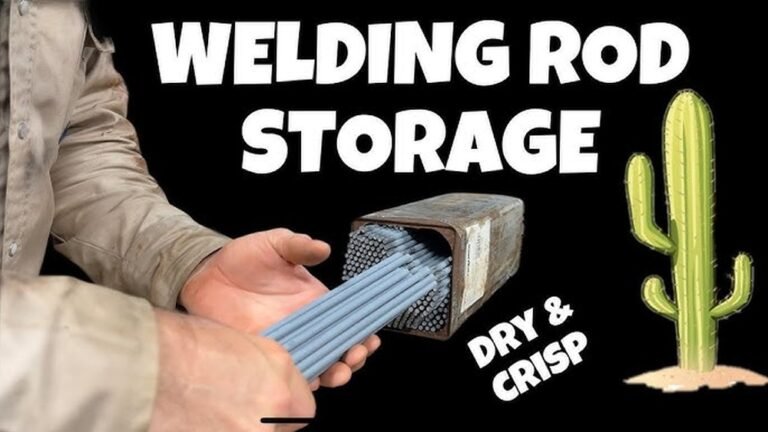
Keeping welding rods dry is not just a good practice—it’s essential for strong, safe welds. If you’ve ever opened a box of electrodes and found them clumped together or covered in white powder, you know how moisture can ruin your work.
Moisture inside welding rods can cause cracking, weak joints, and dangerous porosity in the weld. But with a few smart steps, you can keep your electrodes in perfect condition and avoid headaches on the job.
Why Dry Welding Rods Matter
When welding rods absorb moisture, hydrogen builds up during welding. This trapped hydrogen can create tiny cracks, especially in thick or critical welds. These cracks may not be visible at first, but over time, they can cause the weld to fail. Rods like E7018 are especially sensitive and must be kept dry. Even a few hours of exposure can affect their performance.
Industry standards, such as those from the American Welding Society (AWS), recommend storing rods below 60% relative humidity and at temperatures above 70°F (21°C) for low-hydrogen electrodes. Storing them correctly is not just a suggestion—it’s often a job requirement.
Best Storage Methods For Welding Rods
There are several proven ways to protect your welding rods from moisture. Here’s how each method compares.
| Storage Method | Protection Level | Common Use | Cost |
|---|---|---|---|
| Sealed Packaging | Good (short-term) | Home/hobby welders | Low |
| Rod Ovens | Excellent (long-term) | Industrial/professional shops | Medium/High |
| DIY Containers | Moderate | Small shops/budget setups | Low |
1. Keep Rods In Sealed Packaging
Most electrodes come in hermetically sealed containers. These keep out moisture until you’re ready to use them. For hobby welders or those who use rods slowly, only open the package when you need the rods. Seal up any leftover rods in a zip-top bag with a silica gel packet for extra protection.
2. Use A Welding Rod Oven
Rod ovens are the gold standard for long-term storage. They keep rods at 250–300°F (121–149°C), which prevents moisture from entering and even dries out rods that may have absorbed water. For low-hydrogen rods like E7018, a rod oven is almost always required on construction or repair sites.
Rod ovens come in different sizes:
- Bench ovens hold 5–50 lbs of rods, good for small shops.
- Portable ovens (sometimes called “quivers”) hold a few pounds and can be carried to the worksite.
3. Create A Diy Dry Box
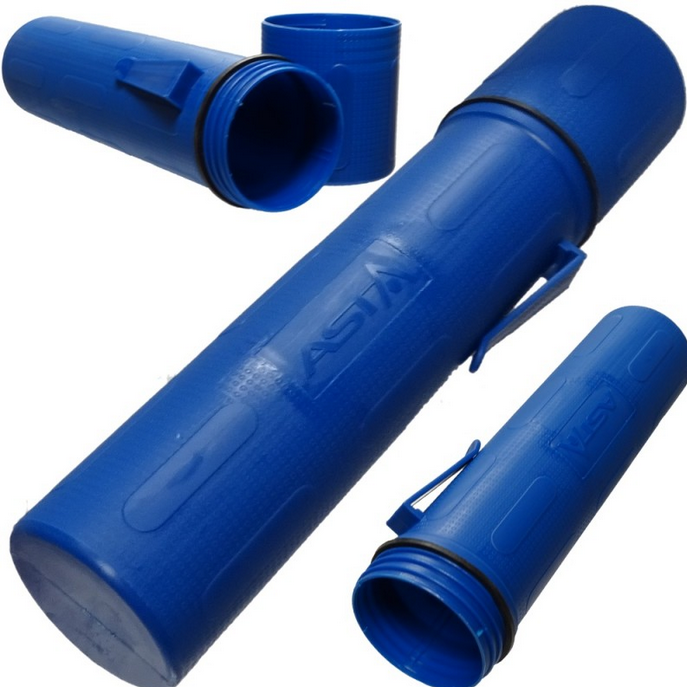
If you don’t have a rod oven, you can still protect your rods. A DIY dry box can be made from a clean, airtight metal container. Add a small lightbulb (15-25 watts) inside to generate heat and keep the air dry. Place rods inside and close the lid tightly. Always check that your DIY box stays above room temperature to prevent condensation.
Common Mistakes And How To Avoid Them
It’s easy to think any dry shelf is good enough. But here are some traps to avoid:
- Leaving rods exposed: Even an hour in humid air can ruin some rods.
- Mixing old and new rods: Moisture from old rods can spread to fresh ones.
- Ignoring oven temperature: Too hot or too cold—both can damage the coating.
Here’s a quick comparison of what happens when you store rods incorrectly:
| Storage Error | Effect on Rods | Weld Quality |
|---|---|---|
| Exposed to air | Absorbs moisture, gets clumpy | Poor, with cracks or porosity |
| Stored in damp place | Coating breaks down | Unstable arc, weak welds |
| Overheated in oven | Coating may flake off | Hard to start, inconsistent |
Practical Tips For Everyday Welders
- Label opened packages with the date you opened them. Use older rods first.
- Check for white spots or powder. This means moisture damage has started.
- Keep rods off concrete floors. Concrete can hold and release moisture.
- For small jobs, store a handful of rods in a thermos bottle with a silica gel pack.
- If you suspect rods got damp, bake them in a rod oven at 500°F (260°C) for an hour, but only if the rod type allows it. Not all rods can be re-dried safely.

Credit: www.rodovens.com
How To Test If Your Rods Are Still Good
Before you start welding, do a simple test:
- Visual check: Look for cracks, chips, or white powder on the coating.
- Sound test: Tap two rods together. Dry rods make a sharp “ping,” while damp rods sound dull.
- Trial weld: Run a short bead on scrap steel. If the arc is unstable or the slag is hard to remove, the rods may be wet.
The Science Behind Moisture Damage
When moisture enters the rod coating, it turns into hydrogen gas during welding. This gas gets trapped in the cooling weld metal and forms tiny cracks. These cracks are called hydrogen-induced cracks or “cold cracks.” They often appear hours or days after welding. That’s why many codes, like the AWS D1.1, require strict rod storage.
Credit: www.ebay.com
When To Throw Out Welding Rods
Even with good storage, rods do have a shelf life. If you notice the following, it’s best to discard them:
- Broken or missing flux coating
- Visible rust or corrosion
- Strong, musty odor
Using damaged rods can cost more in repairs than buying new ones. If in doubt, replace them.
For official guidelines and more science behind electrode storage, visit the Welding Rod Wikipedia page.
Frequently Asked Questions
What Happens If I Weld With Wet Rods?
Welding with wet rods releases hydrogen, leading to cracks, porosity, and weak welds. The joints may fail, especially under stress.
Can I Dry Out Welding Rods In My Home Oven?
Some rods can be re-dried in a home oven at low heat, but this is risky. Ovens used for food can become contaminated, and not all rods can be safely dried at home.
How Long Can I Store Welding Rods?
Unopened rods in sealed containers can last years. Once opened, low-hydrogen rods should be used within a week unless kept in a rod oven.
Are All Welding Rods Sensitive To Moisture?
No, but low-hydrogen rods like E7018 are very sensitive. Others, such as E6013, are less affected but still work best when dry.
Is Silica Gel Effective For Rod Storage?
Silica gel helps in small, sealed containers by absorbing moisture. It’s not a replacement for a rod oven for critical work but is useful for hobby welding.
Keeping your welding rods dry is not complicated, but it does require attention to detail. The right storage method saves time, money, and ensures every weld is safe and strong. With these tips, you can protect your investment and your work for years to come.

Credit: www.youtube.com