
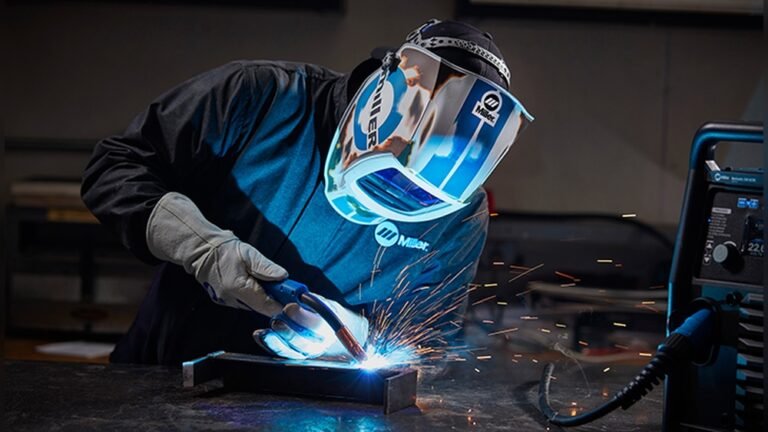
Welding in your garage can be rewarding, but it brings real risks. The smoke, fumes, and gases from welding can harm your lungs and eyes. Many people think opening a window is enough, but garage welding needs careful ventilation planning. If you want to protect your health and work safely, you need to know how much ventilation is required and how to achieve it.
Why Ventilation Is So Important For Garage Welding
Welding produces toxic fumes like ozone, nitrogen oxides, and metal particles. In a small, enclosed garage, these can build up fast. Even mild exposure may cause headaches, nausea, and eye irritation. Long-term, you risk serious lung problems or metal fume fever.
Some metals, like galvanized steel, create extra hazardous fumes. Without good airflow, these toxins stay in your breathing zone. Proper ventilation removes fumes, reduces fire risk, and keeps your garage comfortable.
How Much Ventilation Do You Really Need?
There is no single “one size fits all” number. The amount depends on:
- Welding process (MIG, TIG, stick, flux-core, etc.)
- Type of metal (mild steel, aluminum, stainless, galvanized, etc.)
- Garage size and layout
- Frequency and duration of welding
As a general guideline, the American Conference of Governmental Industrial Hygienists (ACGIH) recommends at least 2000 cubic feet per minute (CFM) of air flow for basic welding in a small room. However, most home garages are much smaller and may not support that level with natural ventilation alone.
Example Ventilation Needs
| Welding Type | Recommended CFM | Notes |
|---|---|---|
| MIG Welding | 700–1200 CFM | Moderate fume output |
| Stick Welding | 1000–2000 CFM | High fume output |
| TIG Welding | 400–800 CFM | Low fume output |
A single open garage door may give you 300–500 CFM, but this varies with wind and door size. Relying on natural airflow alone is rarely enough for frequent welding.
Main Types Of Ventilation For Garage Welding
You have three main options for clearing the air:
- Natural ventilation: Open doors and windows to let fresh air in. Works best in large garages with good cross-breeze.
- Mechanical ventilation: Use fans to pull fumes out and bring clean air in. Inline duct fans or exhaust fans are common.
- Local exhaust (fume extractors): Specialized systems that pull fumes directly from the source, using hoods or arms.
Comparing Ventilation Solutions
| Method | Effectiveness | Cost | Best For |
|---|---|---|---|
| Natural | Low–Medium | Low | Short welding sessions |
| Mechanical (Fans) | Medium–High | Medium | Most home garages |
| Fume Extractor | High | High | Frequent/professional use |
How To Set Up Good Ventilation In Your Garage
Getting the right ventilation is about combining methods for your situation. Here’s a simple step-by-step approach:
- Open up your garage: Start with the biggest door and one window or smaller door for cross-flow. The more open area, the better.
- Add fans: Place a high-powered exhaust fan (600–1200 CFM) near your welding spot, pointed outwards. For best results, use a second fan to pull in clean air from the opposite side.
- Use fume extractors: If you weld often, invest in a portable fume extractor. Position its hood 6–12 inches from your weld for best results.
- Monitor air quality: Use a carbon monoxide or air quality monitor. If you smell smoke or feel dizzy, stop and improve your setup.
- Plan for make-up air: Don’t just suck fumes out—bring in fresh air. Otherwise, you may create negative pressure, which can pull in dangerous gases from water heaters or furnaces.
Example Setup For A One-car Garage
- Open main garage door (7×7 ft)
- Place 1 box fan (1000 CFM) near door, blowing out
- Open window on the opposite wall, with another fan pulling air in
- Use a portable fume extractor close to the weld
- Check airflow with a smoke stick or incense

Credit: forum.millerwelds.com
Mistakes To Avoid
Many beginners miss some hidden dangers:
- Relying only on a cracked window: Not enough airflow for most welding jobs.
- Welding with cars or gas cans inside: Sparks can ignite fumes.
- Ignoring make-up air: Only exhausting air can cause backdrafts from gas appliances.
- Not using a fume extractor when welding galvanized: Zinc fumes are especially toxic.
- Believing “no smell, no problem”: Many toxic gases are odorless.
How Much Ventilation Is Enough? A Practical Test
You can check your garage’s airflow with a simple test. Light an incense stick near your welding area. Watch how the smoke moves:
- Fast, steady flow out the door: Good ventilation.
- Smoke lingers or drifts around: Not enough airflow—add more fans or open more space.
- Smoke sucked toward water heater/furnace: Dangerous. Stop and adjust ventilation.
Another non-obvious tip: Air changes per hour (ACH) is a useful measure. For welding, aim for at least 10–20 ACH. For a typical 400 sq ft garage with 8 ft ceilings, that means exchanging 3200–6400 cubic feet of air per hour (or 53–107 CFM continuously).

Credit: www.ebay.com
When To Upgrade Your System
If you weld more than a few hours per week, consider a ducted exhaust fan or portable fume extractor rated for at least 1000 CFM. These systems are safer, quieter, and more reliable than just fans and open doors.
Some welders add a carbon filter or HEPA system to capture fine metal dust. This is especially important if your garage is attached to your home.
For more details, OSHA provides guidelines on welding ventilation for home and small shops.
Frequently Asked Questions
How Often Should I Change The Air In My Garage When Welding?
Aim for at least 10–20 complete air changes per hour while welding. This keeps fumes below harmful levels, especially in smaller garages.
Is A Single Open Garage Door Enough Ventilation For Welding?
Usually not. One open door gives some airflow but rarely meets safety guidelines. Use exhaust fans and an intake window or door for cross-ventilation.
Do I Need A Fume Extractor For Home Garage Welding?
If you weld often or work with toxic metals like galvanized steel, a fume extractor is highly recommended. Occasional welders can use fans, but an extractor adds real protection.
Can I Weld In My Garage During Winter With Doors Closed?
It’s risky. Welding with doors and windows closed traps fumes. Use a ducted exhaust fan or portable extractor that vents outside. Never sacrifice safety for comfort.
What Are Signs Of Poor Ventilation When Welding?
If you notice smoke buildup, feel dizzy, get headaches, or see haze after welding, your ventilation is not enough. Stop and improve your airflow before continuing.
Good ventilation is key for safe and enjoyable garage welding. With the right setup, you protect your health and work with confidence.
Credit: www.mig-welding.co.uk