
Can You Run A Welder On A 110v Outlet
Many people want to try welding at home or in a small workshop. But a common question comes up: Can you run a welder on a 110V outlet? The answer depends on the type of welder, the power you need, and what kind of projects you plan to do. Understanding these details can save you time, money, and frustration.
How 110v Outlets Work
Most homes in the United States use 110V outlets for regular appliances like lamps, TVs, and computers. These outlets usually supply 15 to 20 amps of current. Compared to 220V outlets (used for dryers or stoves), 110V outlets have less power. This means they can’t handle heavy machines or tools that need a lot of electricity.
The key details:
- Voltage: 110V (sometimes listed as 120V)
- Amperage: 15 or 20 amps (check your breaker panel)
- Wattage: Maximum is about 1,650 to 2,400 watts
If you plug in something that uses more power, you risk tripping the breaker or damaging the outlet.
Types Of Welders For 110v Outlets
Not all welders are the same. Some need much more power than others. Here’s a look at which welders you can safely use with a standard 110V outlet.
| Welder Type | 110V Compatibility | Best For |
|---|---|---|
| Stick (SMAW) | Yes (small models only) | Light repairs, hobby use |
| MIG (GMAW) | Yes (small models only) | Thin steel, auto body work |
| TIG (GTAW) | Rarely | Precision, thin metals |
| Flux Core | Yes | Outdoor, rusty metal |
| Multi-Process | Some models | Versatility |
Small MIG and flux core welders are most common for home 110V use. These machines are made for thinner metal—usually up to 1/8-inch steel. Large welders (for heavy steel or aluminum) almost always need 220V power.
Credit: robrobinette.com
What Projects Can You Do On 110v?
You can do a lot with a good 110V welder if you know its limits. Here are examples of projects you can handle:
- Auto body repairs: Fixing thin car panels
- Small brackets: Making custom supports or shelves
- Garden tools: Repairing shovels, hoes, or wheelbarrows
- Light frames: Building tables or benches with thin tubing
But, if you want to weld thick steel (over 1/8 inch), build trailers, or do structural work, a 110V welder won’t be enough.
Limitations And Common Issues
Many beginners think any welder will work with a wall outlet. But there are real limits.
Power And Duty Cycle
A duty cycle is how long a welder can run before it needs to cool down. Most 110V welders have a duty cycle around 20% at full power. This means you can weld for 2 minutes, then must stop for 8 minutes.
| Amps | Duty Cycle (%) | Max Weldable Thickness |
|---|---|---|
| 70A | 20 | 1/8″ (3.2mm) |
| 90A | 15 | 1/8″ (3.2mm) |
| 120A | 10 | 1/8″-3/16″ (3.2-4.8mm) |
If you push the welder too hard, you risk overheating and damaging the machine.
Extension Cord Mistakes
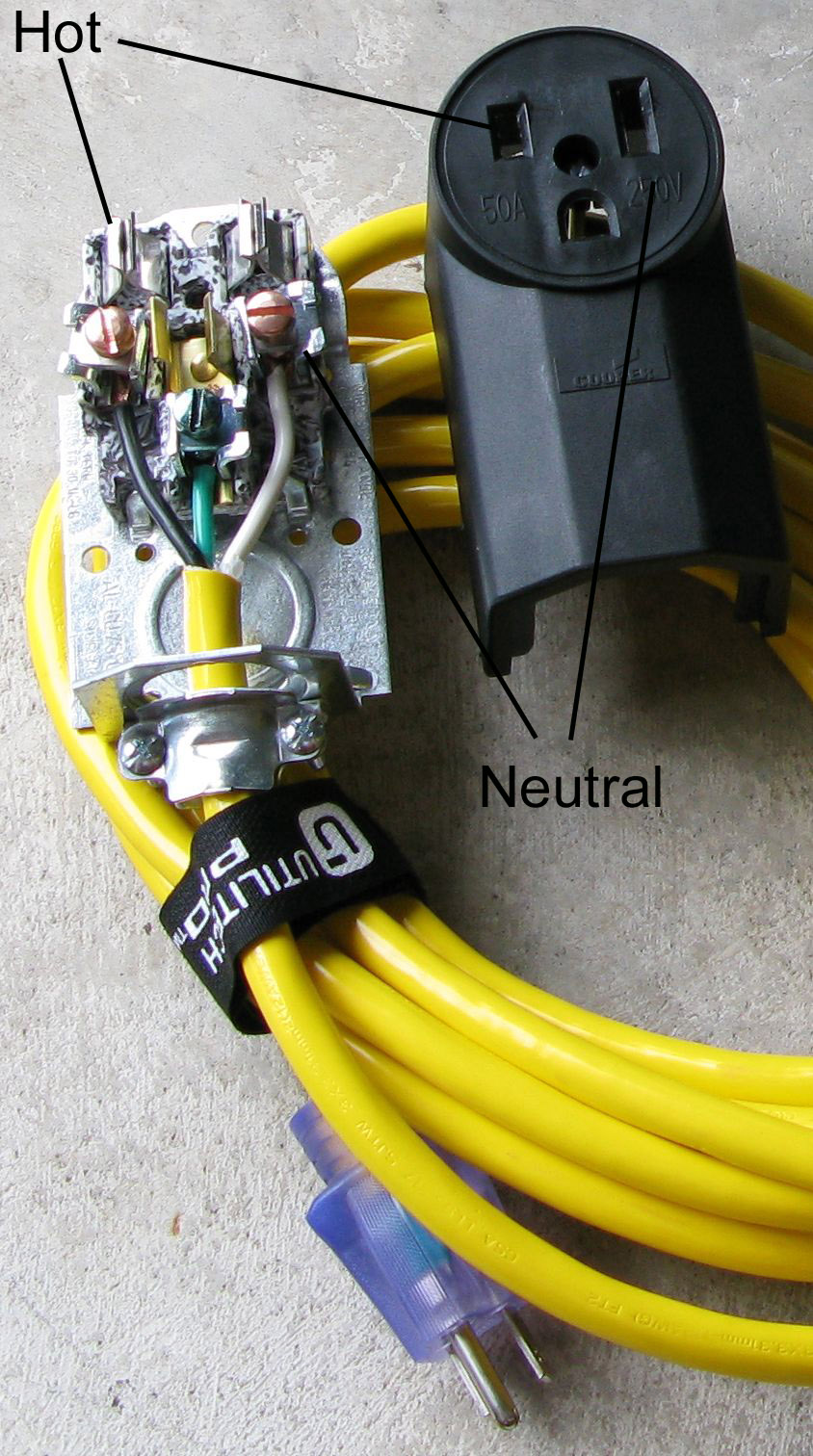
Many people use extension cords to reach their work area. Using a thin or long extension cord can cause voltage drop, making the welder weak or unstable. Always use a heavy-duty cord (12 gauge or thicker), and keep it as short as possible.
Breaker Tripping
A standard 15A outlet may trip if you run the welder at high settings. If possible, use a 20A dedicated circuit. Never bypass or replace breakers with higher-rated ones unless a qualified electrician does it.
How To Choose The Right 110v Welder
If you want to weld at home, focus on these features:
- Input amperage: Lower input means less chance of tripping breakers.
- Output range: Look for a machine that offers at least 70-90 amps output.
- Duty cycle: Higher duty cycle means more welding time.
- Weight and size: Smaller welders are portable and store easily.
- Type: For most beginners, a flux core or small MIG welder is best.
Some popular brands offer 110V models built for home use. Read user reviews and check for safety certifications before buying.
Safety Tips For 110v Welding
Welding is dangerous if you ignore safety. Here are essential tips:
- Always wear a proper welding helmet and gloves
- Keep your work area dry and clear of flammable materials
- Ensure good ventilation to avoid breathing fumes
- Check your outlet for damage before plugging in
- Never weld near water or in wet conditions
One overlooked tip: avoid using GFCI (Ground Fault Circuit Interrupter) outlets for welding. Welders can trip these outlets and stop working.

Credit: www.youtube.com
Real-world Example: 110v Welder Performance
Suppose you have a small Lincoln Electric Handy MIG welder. It plugs into a regular outlet and runs up to 88 amps. It can weld steel up to 1/8-inch thick, perfect for car body repairs or small brackets. But, if you try to weld thicker metal, you’ll notice poor penetration and weak welds.
Another example: The Hobart Handler 140 is a popular 110V MIG welder. It can handle 24 gauge to 1/4-inch mild steel (with multiple passes). However, for best results on thicker metal, a 220V machine is recommended.
Is 220v Always Better?
In most cases, 220V welders offer more power, higher duty cycles, and can weld thicker materials. But for beginners or light work, 110V is enough. Upgrading your home wiring for 220V can be costly and needs a licensed electrician.
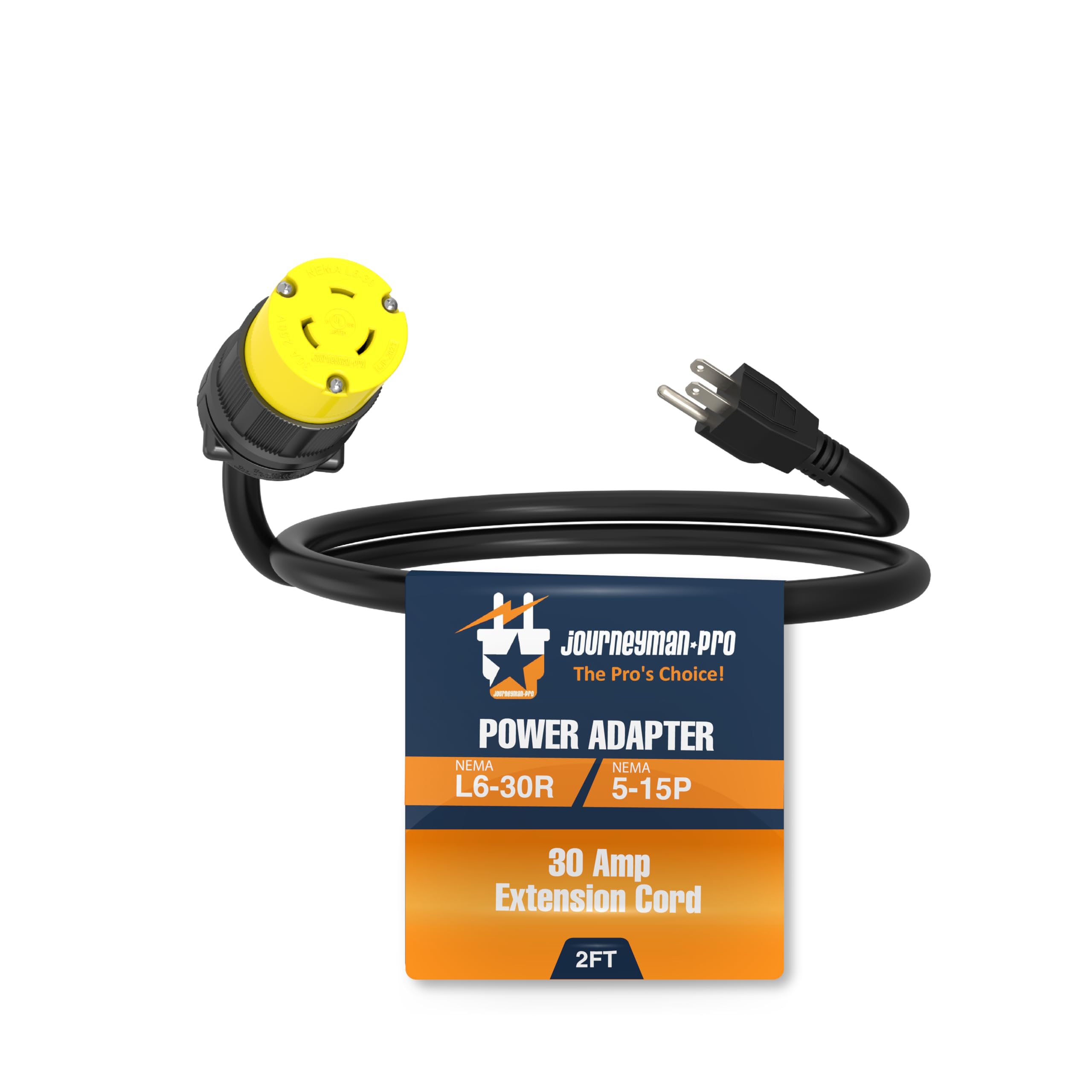
If you plan to weld often or work on heavy projects, consider investing in a dual-voltage welder. These machines let you switch between 110V and 220V as needed.
Credit: www.amazon.com
Frequently Asked Questions
Can I Use A Welder On A Regular Household Outlet?
Yes, if the welder is designed for 110V and does not exceed the outlet’s amperage. Always check the manual and never overload the circuit.
What Is The Thickest Metal I Can Weld With A 110v Welder?
Most 110V welders can handle up to 1/8-inch (3.2mm) steel in a single pass. With multiple passes, you might reach 1/4-inch, but results may vary.
Will Using An Extension Cord Affect My Welder?
Yes. Use a short, heavy-duty extension cord (12 gauge or thicker). Long or thin cords can cause voltage drop and poor performance.
Why Does My Breaker Keep Tripping When I Weld?
Your welder may draw more amps than the outlet provides. Try a dedicated 20A circuit and avoid running other appliances on the same line.
Do I Need Special Training To Weld At Home?
Basic training is highly recommended. Welding involves high temperatures and safety risks. Check local classes or online guides for safe practices. For more on welding safety, visit the Welding Wikipedia page.
Welding on a 110V outlet is possible and practical for many small projects. With the right machine and safety steps, you can get good results without expensive upgrades. Just remember the limits, and don’t push your equipment too hard.