
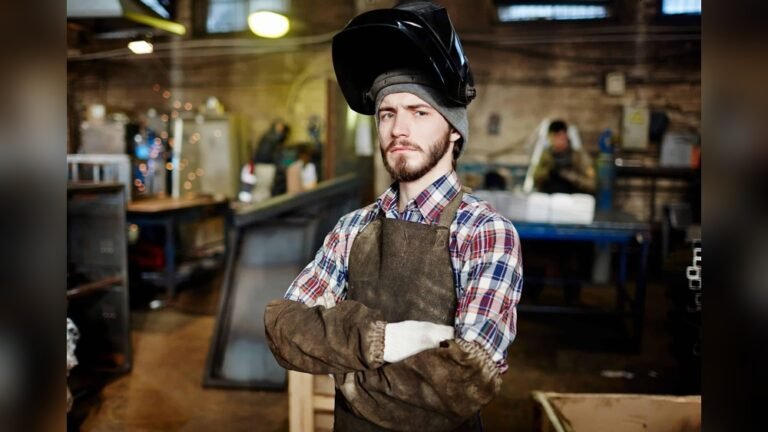
Welding is a skill that demands precision, focus, and—most importantly—protection. Many beginners think gloves and goggles are enough, but the welding apron is often overlooked. This piece of safety gear does more than cover your clothes; it shields your body from heat, sparks, and flying metal. Whether you’re working in a professional shop or at home, the right apron can make the difference between a safe day and a serious injury. Let’s explore why a welding apron is so important, what to look for, and how it compares to other protective gear.
Why A Welding Apron Matters
Welding creates intense heat. The arc can reach temperatures above 6,000°F. Sparks, molten metal, and ultraviolet rays are common hazards. A regular shirt or jeans offer little defense. A welding apron acts as a barrier between you and these dangers.
Statistics from the Occupational Safety and Health Administration (OSHA) show that burns are among the top injuries for welders. About 40% of welding accidents involve skin burns. Most happen when protective gear is incomplete or not worn correctly. The apron’s coverage helps reduce this risk.
An apron also protects against:
- Metal splatter: Hot metal can stick to clothing and cause deep burns.
- Chemical spills: Some welding processes use chemicals that can damage skin.
- Sharp objects: The thick material stops cuts and punctures from falling tools or metal.
Key Features Of A Good Welding Apron
Choosing the right apron isn’t just about picking the thickest material. Several factors matter for safety and comfort.
| Feature | Why It Matters | Common Materials |
|---|---|---|
| Heat Resistance | Shields from high temperatures and sparks | Leather, treated cotton |
| Coverage Area | Protects chest, abdomen, and upper legs | Full-length, half-length |
| Durability | Withstands repeated use and washing | Heavy leather, Kevlar stitching |
| Comfort | Allows movement and long wear | Adjustable straps, lightweight materials |
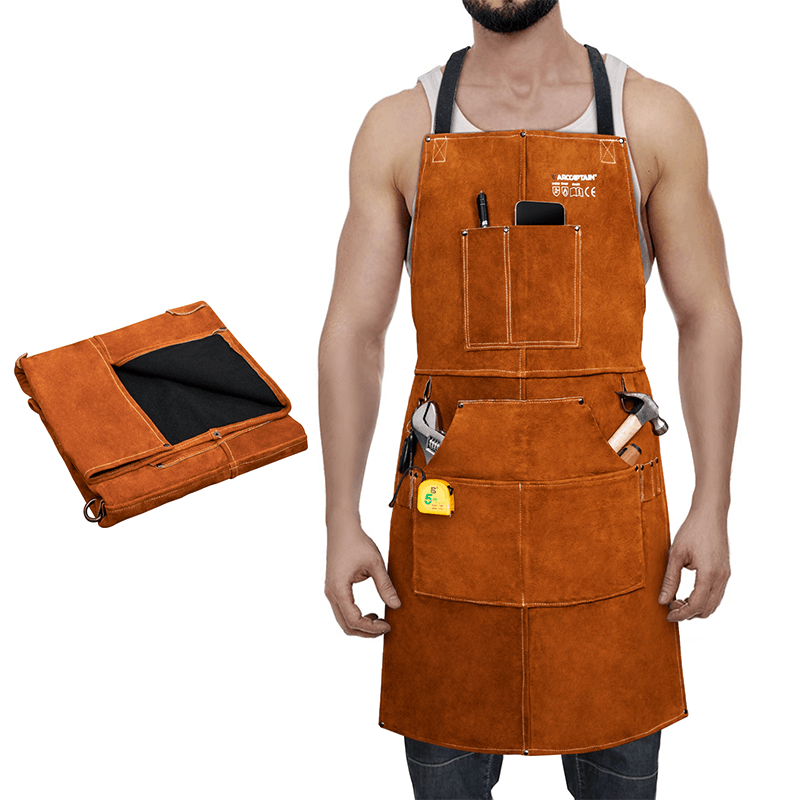
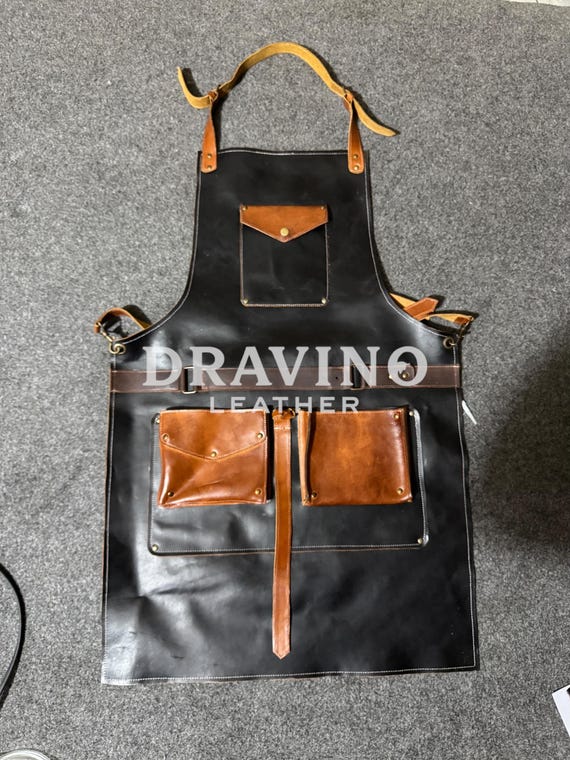
A common mistake is buying a cheap apron that wears out quickly. Look for double stitching and reinforced edges. Some aprons have pockets for tools, but avoid bulky designs—they can catch sparks.
Credit: www.arccaptain.com
Welding Apron Vs Other Protective Gear
It’s tempting to rely on jackets, gloves, and pants. But each piece has a specific job. Here’s how aprons compare to other gear:
| Gear Type | Protection Level | Best Use |
|---|---|---|
| Apron | Moderate to High (covers front body) | All welding types, especially for standing work |
| Jacket | High (covers upper body and arms) | Heavy-duty jobs, overhead welding |
| Gloves | High (hand protection) | All welding, handling hot materials |
| Pants | Moderate (legs only) | Seated welding, extra protection |
Aprons are especially useful for quick tasks or when full jackets feel too hot. For long jobs or overhead welding, combining an apron with a jacket is smart.
Common Mistakes When Using A Welding Apron
Many beginners wear aprons incorrectly or choose the wrong kind. Here are mistakes to avoid:
- Loose straps: Sparks can slip behind a loose apron and burn skin.
- Synthetic materials: Plastic or nylon melts easily. Always use natural fibers like leather.
- Wearing over shorts: Aprons don’t cover the sides or legs fully. Wear long pants underneath.
- Ignoring cleaning: Dirty aprons can catch fire faster. Clean regularly to remove oil and debris.
- Skipping other gear: Apron alone isn’t enough—use gloves, goggles, and boots.
A less obvious mistake is choosing the wrong thickness. Heavy aprons are good for arc welding but may be uncomfortable for TIG or MIG work. Try different types to find what fits your job.
Credit: ancientsmithy.com
Practical Tips For Choosing And Using A Welding Apron
- Check the material. Leather is best for high-heat, while flame-resistant cotton works for light jobs.
- Fit matters. Adjustable straps help keep the apron snug and safe.
- Look for certifications. Some aprons meet ANSI or EN safety standards.
- Test before buying. Move your arms and legs to see if the apron limits movement.
- Store your apron away from moisture and chemicals.
A useful insight: Many welders don’t realize that aprons also protect against UV radiation from the welding arc. This can cause “welder’s flash”—a painful sunburn on exposed skin.
For more detailed safety standards, the OSHA Welding Safety page is a reliable resource.
Frequently Asked Questions
What Material Is Best For A Welding Apron?
Leather is the top choice because it’s heat-resistant and durable. Treated cotton is lighter but less protective. Avoid synthetic materials, as they can melt or catch fire.
How Often Should I Replace My Welding Apron?
Replace your apron if you see burn holes, tears, or worn straps. For heavy users, inspect monthly. A good apron lasts 1–2 years with regular use.
Can I Wash My Welding Apron?
Leather aprons should be cleaned with a damp cloth, not washed in a machine. Cotton aprons can usually be washed, but check the label. Always dry thoroughly before storing.
Is An Apron Enough Protection For Welding?
An apron is important, but it’s not enough by itself. Use with gloves, goggles, and sturdy boots. For heavy welding, add a jacket for better coverage.
Do Welding Aprons Protect Against Chemicals?
Aprons protect against small spills, but they’re not chemical-proof. For work with strong chemicals, use special protective gear made for chemical resistance.
A welding apron is more than just a piece of clothing—it’s a vital shield against the everyday risks of welding. By choosing the right apron and wearing it correctly, you protect your skin, your health, and your future in the trade.
Take time to pick a quality apron; your safety depends on it.
Credit: www.etsy.com