
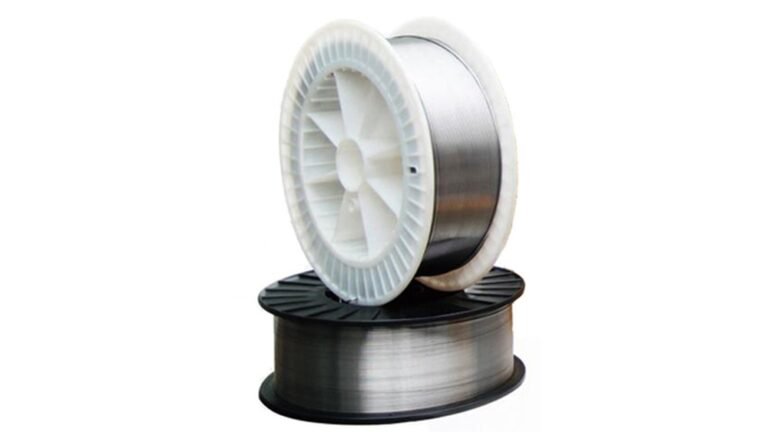
Flux Core Aluminium Wire: What You Need To Know
Welding aluminum is known to be challenging, especially for beginners. Traditional solid wire for MIG welding can create issues like poor penetration and excessive spatter. That’s where flux core aluminum wire enters the conversation. While it promises easier welding for non-experts, many people are unsure if it really works as advertised. Let’s break down what flux core aluminum wire is, how it compares to other options, and when you should (or shouldn’t) use it.
What Is Flux Core Aluminum Wire?
Flux core wire is a type of welding wire with a flux-filled core. The flux inside melts during welding and produces a shielding gas that protects the weld from contamination. This design lets you weld without an external gas tank. Most people know flux core wire for welding steel, but aluminum flux core wire is less common and has unique challenges.
Aluminum is a reactive metal. When heated, it forms a layer of oxide that needs to be dealt with for clean welds. Traditional MIG welding uses solid aluminum wire and a shielding gas like argon to prevent oxidation. Flux core aluminum wire tries to do this job without a separate gas supply.
How Does Flux Core Aluminum Wire Work?
Inside the wire, the flux contains chemicals that melt and create a gas shield over the weld. It also helps clean the aluminum surface. In theory, this makes the welding process simpler, especially outdoors where wind can blow away regular shielding gas.
However, the reality is more complicated. Flux core aluminum wire often produces more slag (the leftover material on top of the weld) and can lead to weaker joints if not used carefully. The technology is not as advanced as flux core steel wire, and there are only a few options on the market.

Credit: blog.red-d-arc.com
Comparing Flux Core Aluminum Wire To Other Aluminum Welding Methods
To see where flux core aluminum wire fits, it helps to compare it with other common aluminum welding methods. This table highlights the main differences:
| Method | Shielding Needed | Equipment Cost | Skill Level | Typical Use |
|---|---|---|---|---|
| Flux Core Aluminum Wire | No external gas | Low-Medium | Beginner-Intermediate | Quick repairs, outdoor work |
| MIG with Solid Aluminum Wire | Argon gas | Medium-High | Intermediate | Auto repair, fabrication |
| TIG Welding | Argon gas | High | Advanced | Precision work, thin aluminum |
Pros And Cons Of Flux Core Aluminum Wire
Like any tool, flux core aluminum wire has advantages and drawbacks. Here’s a quick overview:
| Pros | Cons |
|---|---|
| Welds without external gas | Limited availability |
| Better for outdoor use | More slag cleanup |
| Simple setup | Weaker joints possible |
| Good for quick repairs | Not ideal for structural work |
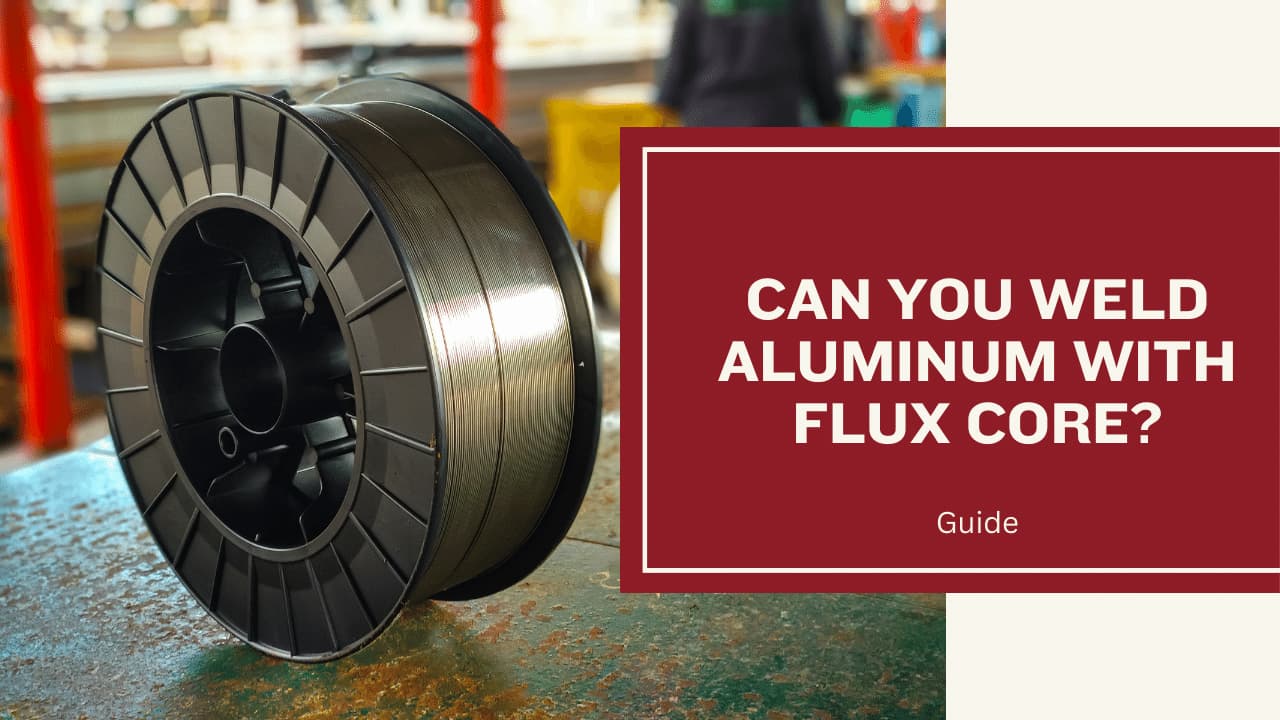
Credit: www.arccaptain.com
When Should You Use Flux Core Aluminum Wire?
Flux core aluminum wire is not a perfect fit for every job. It’s best used when:
- You don’t have access to shielding gas
- You need to weld aluminum outdoors, where wind is a problem
- The weld does not need to be structural or highly aesthetic
For high-stress parts, like those in automotive frames or pressure vessels, flux core aluminum wire is usually not recommended. It is better for temporary repairs, hobby work, or when access to better equipment is limited.
Common Mistakes And How To Avoid Them
Many beginners expect flux core aluminum wire to work exactly like steel flux core or solid aluminum MIG wire. Here are mistakes to watch for:
- Wrong Polarity: Always check your welder’s polarity. Most flux core wires require DCEN (Direct Current Electrode Negative), but some aluminum wires may need DCEP. Check the manufacturer’s instructions.
- Poor Surface Prep: Aluminum must be clean. Remove all oil, paint, and oxide with a stainless steel brush before welding.
- Wrong Machine Settings: Aluminum requires higher wire feed speeds and voltage. Start with the settings recommended by the wire maker, then adjust as needed.
- Ignoring Slag: Always remove slag between passes. Leaving slag will weaken the weld and cause defects.
Is Flux Core Aluminum Wire Right For You?
For most home welders, flux core aluminum wire is a last resort. It can help in a pinch, but solid wire with argon gas or TIG welding will usually give better results. However, if you often work outdoors, need quick fixes, or lack access to gas, it can be a useful tool. Just know the limitations.
Where To Buy And What To Look For
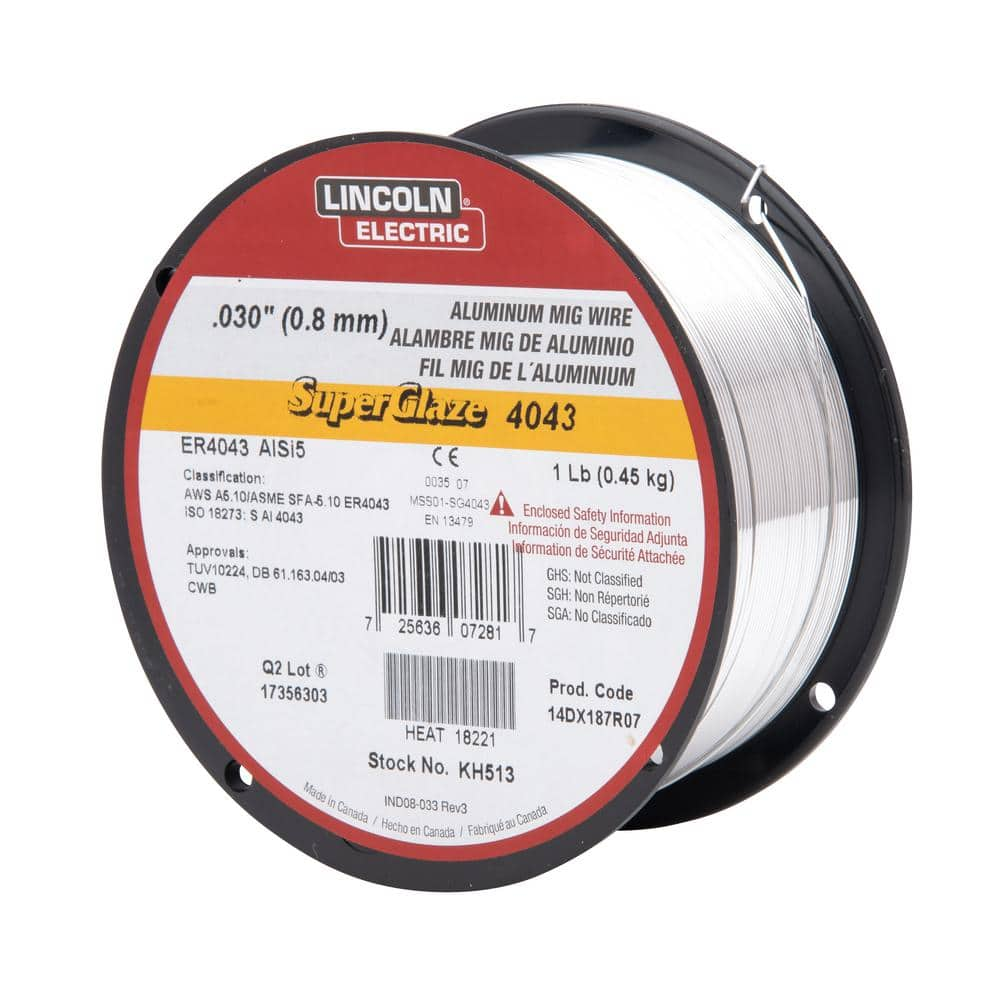
Not all welding suppliers carry flux core aluminum wire. You may find brands like INETUB or Blue Demon, but always check the wire diameter, recommended settings, and whether your welder supports aluminum wire. Many standard flux core welders are not set up for aluminum feeding, so you might need a spool gun or a push-pull system.
Look for these features:
- Wire diameter matches your welder (usually 0.035″ or 0.045″)
- Packaging specifies use with aluminum
- Manufacturer provides clear instructions
Credit: www.homedepot.com
Practical Tips For Best Results
Even with the right wire, results depend on your technique. Here are two often-missed tips:
- Keep wire straight: Aluminum wire is soft and can jam in the liner. Avoid kinks and use a Teflon liner if possible.
- Limit weld length: Short welds reduce the risk of overheating and warping thin aluminum.
Test on scrap pieces before working on your final project. Don’t expect perfect beads—focus on penetration and strength over appearance.
Frequently Asked Questions
Does Flux Core Aluminum Wire Really Exist?
Yes, but it’s rare and not as developed as flux core steel wire. Most welders prefer solid aluminum wire with gas for better results.
Can I Use My Regular Flux Core Welder For Aluminum?
Not always. Most standard machines are set up for steel and may not feed soft aluminum wire smoothly. A spool gun or special liner may be required.
Is The Weld Quality Good Enough For Structural Use?
Usually not. Flux core aluminum welds can be weaker and more prone to defects. For critical parts, use MIG with gas or TIG welding.
What Is The Best Alternative To Flux Core Aluminum Wire?
The best alternative is MIG welding with solid aluminum wire and argon gas. TIG welding is also excellent for thin or precise work.
Where Can I Learn More About Welding Aluminum?
For deeper guidance, visit the Aluminum welding Wikipedia page for in-depth resources and safety tips.
Flux core aluminum wire may not be perfect, but with the right expectations and preparation, it can help you tackle tough welding jobs when other options aren’t available. Always focus on safety and test your setup before committing to important repairs.