
Auto Darkening Helmet Not Working in Sunlight: Causes, Fixes, and Safety Tips
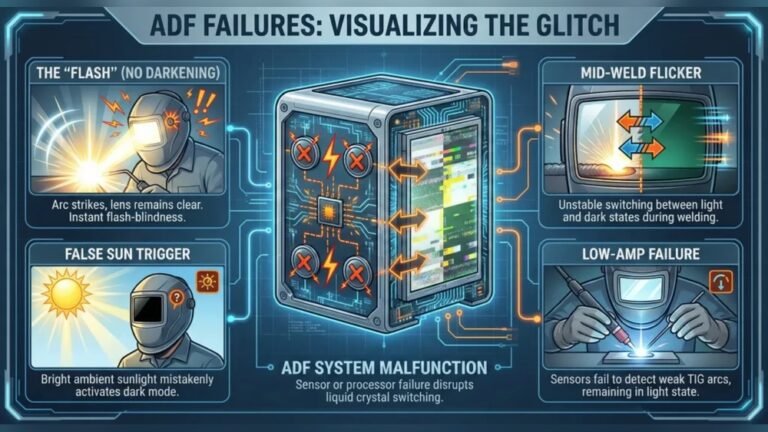
Welding is tough work, and good protection is essential. Auto darkening helmets are popular because they adjust quickly to changes in light, keeping your eyes safe. But sometimes, welders notice their helmet doesn’t darken in sunlight, or it flickers outdoors. This can be confusing and risky. Understanding why this happens and how to fix it will help you stay safe and productive.
How Auto Darkening Helmets Work
Auto darkening helmets use a special lens called an LCD filter. When sensors detect bright light from welding, the lens darkens in milliseconds. Most helmets have two to four arc sensors that trigger the darkening effect. They run on batteries or solar power, sometimes both.
Here’s a simple breakdown:
| Feature | Purpose | Common Types |
|---|---|---|
| Arc Sensors | Detect welding light | 2, 4 |
| Power Source | Runs helmet electronics | Batteries, Solar |
| LCD Filter | Adjusts lens shade | Variable shade |
Why Auto Darkening Helmets Fail In Sunlight
If your helmet doesn’t work outside, you’re not alone. Sunlight can cause unexpected issues:
- Sensors Triggered by Sunlight: The helmet’s sensors are designed for welding arcs, which are very intense. Sunlight is strong, but not as focused. Sometimes, direct sunlight confuses sensors, making the lens darken or flicker randomly.
- Weak or Dead Batteries: Even solar-powered helmets need a battery backup. If batteries are low, the helmet may not respond properly.
- Sensor Blockage or Dirt: Outdoor dust, sweat, or fingerprints can cover sensors, making them less sensitive or too sensitive.
- Faulty Electronics: Heat from the sun can affect the electronics inside the helmet, leading to malfunctions.
- Low Quality Helmet: Cheap helmets often have poor sensor calibration. They may fail in strong light or not darken fast enough.
Sensor Sensitivity Comparison
Let’s compare how different helmets respond to sunlight:
| Helmet Brand | Number of Sensors | Sunlight Response |
|---|---|---|
| Brand A | 2 | Often flickers |
| Brand B | 4 | Rarely flickers |
| Brand C (Low Quality) | 2 | Fails to darken |

Credit: proweldinghelmets.com
How To Fix And Prevent Helmet Issues Outdoors
Fixing your helmet is often simple, but prevention is best. Try these steps:
- Check Battery Level: Replace or recharge batteries. Helmets with weak batteries often fail in sunlight.
- Clean Sensors: Wipe the sensor area with a soft cloth. Don’t use harsh chemicals, as these can damage the helmet.
- Adjust Sensitivity Settings: Most helmets have a knob or button to set sensitivity. Increase sensitivity if sunlight is causing flicker. Lower sensitivity if the helmet is too reactive.
- Block Direct Sunlight: Stand in the shade or use a welding tent. Direct sun can confuse sensors.
- Inspect Helmet for Damage: Look for cracks, loose wires, or broken parts. If the helmet is damaged, replace it.
- Buy a Higher Quality Helmet: Invest in a helmet with multiple sensors and good reviews for outdoor use.
Practical Example
If you’re welding pipes outside and your helmet flickers, first check the batteries and clean the sensors. If that doesn’t help, adjust the sensitivity. Move to a shaded area. If the helmet still fails, it may be time to upgrade.
Safety Risks And Mistakes To Avoid
Not fixing helmet issues can lead to serious risks:
- Eye Damage: The welding arc is much brighter than sunlight. If your helmet doesn’t darken, your eyes are exposed to harmful UV and IR rays.
- Headaches and Fatigue: Flickering helmets can cause discomfort, making you less productive.
- Poor Weld Quality: If you can’t see clearly, your welds may be weak or uneven.
Beginners often miss these points:
- Don’t assume solar-powered helmets work well without batteries.
- Cleaning sensors regularly is important, especially outdoors.
- Adjusting sensitivity is not just for comfort—it improves safety.

Credit: thefacemaskstore.co.uk
Comparing Helmet Types For Outdoor Work
Here’s how different helmet types perform outside:
| Type | Power Source | Outdoor Performance |
|---|---|---|
| Battery Only | AA/AAA Batteries | Needs frequent battery check |
| Solar Assisted | Solar + Battery | Better in sunlight, but still needs battery backup |
| Low Quality | Unknown | Not reliable outdoors |
When To Replace Your Helmet
Knowing when to buy a new helmet is key:
- If your helmet fails repeatedly in sunlight, even after cleaning and battery changes.
- If the LCD filter is slow, flickers, or doesn’t respond.
- If the helmet is over five years old or damaged.
Check manufacturer guidelines for replacement. Quality helmets last longer and are more reliable.

Credit: proweldinghelmets.com
Frequently Asked Questions
Why Does My Auto Darkening Helmet Flicker In Sunlight?
Sunlight can confuse the arc sensors. If the sensors are too sensitive or dirty, the lens may flicker. Adjust sensitivity or clean sensors to fix this.
Can I Use My Helmet For Outdoor Welding?
Yes, but check batteries, clean sensors, and adjust settings. Some helmets are better suited for outdoor work. Look for models with multiple sensors.
Is It Safe To Weld If My Helmet Doesn’t Darken?
No, welding without proper lens darkening exposes your eyes to dangerous rays. Stop and fix the problem before continuing.
How Often Should I Change Batteries?
For most helmets, change batteries every few months, or when you notice slow response. Solar helmets still need batteries for backup.
What’s The Best Helmet For Outdoor Welding?
Choose a helmet with at least four sensors, reliable battery backup, and good reviews for outdoor use. Compare brands and features before buying. For detailed product comparisons, see Welding Helmet Reviews.
Staying safe while welding outdoors starts with a reliable helmet. If your auto darkening helmet doesn’t work in sunlight, check batteries, clean sensors, and adjust settings. Investing in quality equipment and regular maintenance protects your eyes and ensures your work stays strong.
Don’t ignore flickering or failures—take action and weld with confidence.