
Ac Vs Dc Tig Welding: What You Need To Know
TIG welding is one of the best methods for making clean, strong welds on metals. But when you start TIG welding, you quickly face a big choice: AC or DC power? Each type has different uses, strengths, and challenges. If you want to get the best results, understanding the difference between AC and DC TIG welding is essential. Whether you’re a beginner, a hobbyist, or working in industry, this guide will help you choose the right method for your projects.
What Is Tig Welding?
TIG welding stands for Tungsten Inert Gas welding. It uses a non-consumable tungsten electrode and a shielding gas (usually argon) to protect the weld area. TIG welding is famous for its precision and clean welds. It can be used on many metals, including steel, aluminum, copper, and titanium.
Ac Tig Welding: Features And Uses
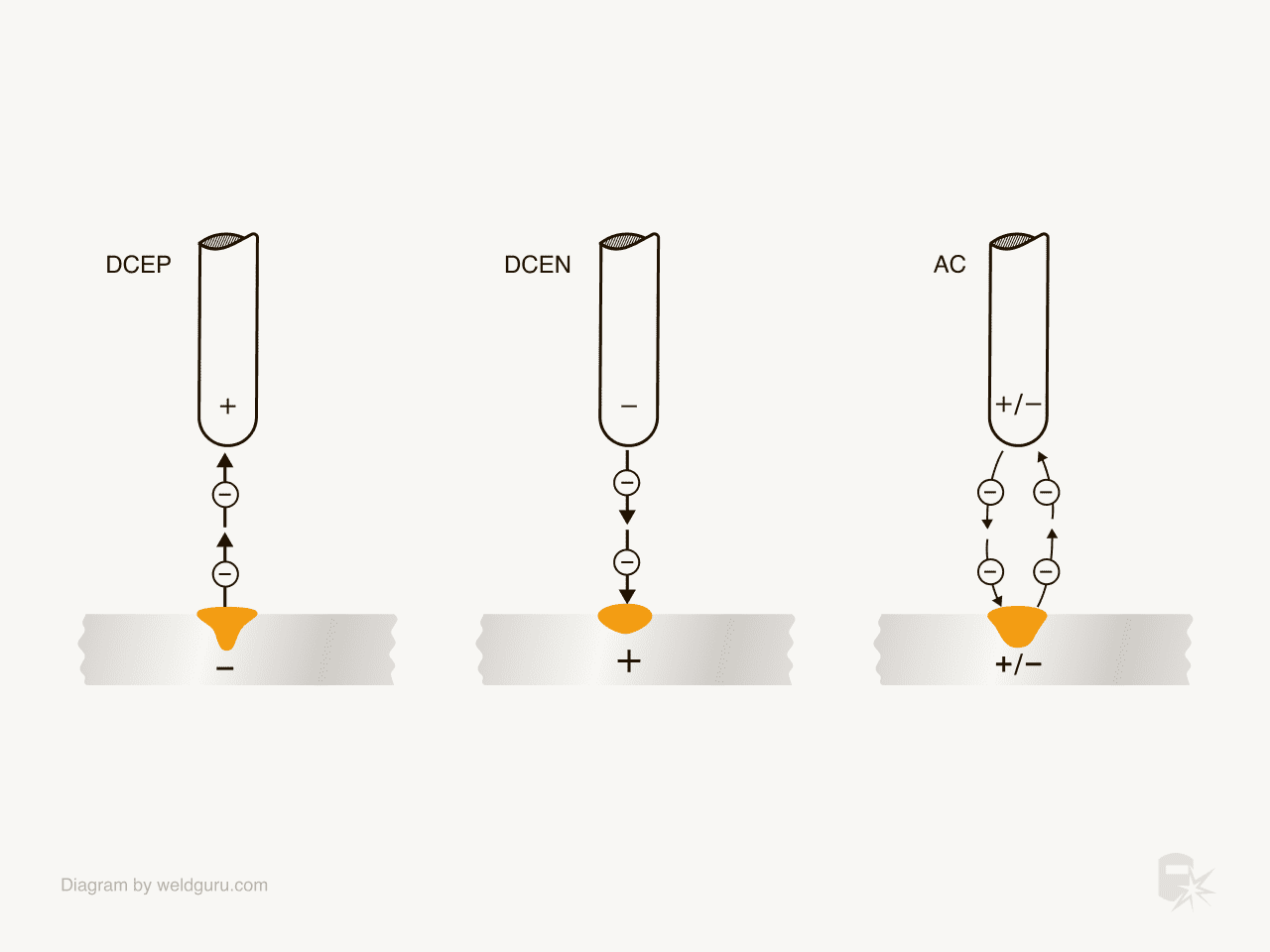
AC stands for Alternating Current. In AC TIG welding, the electrical current switches directions many times per second (usually 60 times per second, or 60 Hz).
When To Use Ac Tig Welding
- Aluminum and magnesium: AC is ideal for these metals because it breaks up the oxide layer that forms during welding.
- Thin materials: AC provides better control and helps avoid burn-through.
Advantages Of Ac Tig Welding
- Oxide cleaning action: The changing current helps remove the tough oxide layer on aluminum and magnesium.
- Better arc stability: AC offers a stable arc for tricky metals.
- Wider heat spread: This helps prevent warping on thin sheets.
Limitations Of Ac Tig Welding
- Not suitable for most ferrous metals (like steel).
- Lower penetration compared to DC.
- May need more skill to control the arc.

Credit: yeswelder.com
Dc Tig Welding: Features And Uses
DC stands for Direct Current. The electrical flow moves in one direction only. DC TIG welding is used for most metals except aluminum and magnesium.
When To Use Dc Tig Welding
- Steel, stainless steel, copper, titanium: DC works best for these.
- Thicker materials: DC offers deep penetration.
Advantages Of Dc Tig Welding
- Smooth arc: DC provides a steady arc, making welds easier to control.
- Deeper penetration: Useful for thicker metals.
- Less spatter: DC welds are cleaner.
Limitations Of Dc Tig Welding
- Not effective for welding aluminum or magnesium.
- Does not break up oxide layers.
Ac Vs Dc Tig Welding: Key Differences
Here’s a clear comparison to help you choose:
| Feature | AC TIG Welding | DC TIG Welding |
|---|---|---|
| Current Direction | Alternating | One-way |
| Best for Metals | Aluminum, Magnesium | Steel, Copper, Titanium |
| Penetration | Shallow | Deep |
| Oxide Cleaning | Yes | No |
| Arc Stability | Moderate | High |
Practical Examples
Let’s say you want to weld a 1/8 inch aluminum plate. AC TIG welding is your best choice because it cleans the surface and prevents contamination. If you’re welding a 1/4 inch steel beam, DC TIG welding will give you deeper penetration and a stronger weld.
Another example: Many bike frames are made of aluminum, so manufacturers use AC TIG welding. For stainless steel kitchen equipment, DC TIG welding is preferred.
Choosing The Right Machine
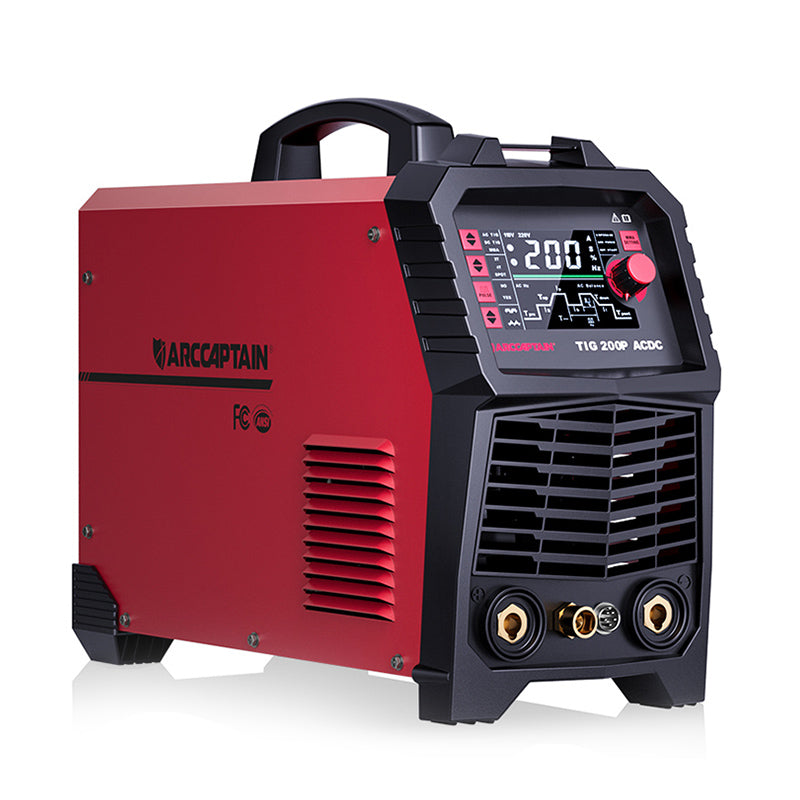
Most TIG welders can switch between AC and DC modes. Here’s what matters:
| Feature | Why It Matters |
|---|---|
| AC/DC Capability | Lets you weld most metals |
| Amperage Range | Higher amps for thick metals |
| Pulse Function | Better control for thin materials |
| Foot Pedal | Adjust heat instantly |
Don’t just look at price. Check if the machine offers stable arc performance and easy controls. Beginners sometimes buy a DC-only machine, then realize they can’t weld aluminum. That’s a common mistake.
Credit: weldguru.com
Tips For Better Tig Welding Results
- Use pure tungsten electrodes for AC (especially aluminum).
- Use thoriated or ceriated tungsten for DC (steel and other metals).
- Keep the weld area clean. Dirt and oil cause contamination.
- Adjust gas flow to avoid porosity.
- Practice controlling the arc and heat to avoid burn-through.
A non-obvious tip: For aluminum, set the AC balance to favor cleaning action if you see black soot. For steel, always grind the tungsten to a sharp point for a focused arc.
Safety And Quality
Always wear protective gear: gloves, welding helmet, and long sleeves. TIG welding produces UV light that can burn skin and eyes. Make sure your workspace is well-ventilated.
Quality matters more than speed in TIG welding. Rushing causes defects like porosity, cracking, and weak joints. Take your time, and inspect every weld.
Credit: www.arccaptain.com
Frequently Asked Questions
What Metals Can I Weld With Ac Tig?
You can weld aluminum and magnesium with AC TIG welding. It’s also possible to weld some alloys, but AC is mainly used for these two metals.
Can I Weld Steel With Ac Tig?
You can weld steel with AC, but DC TIG is much better for steel. AC is not recommended because it gives shallow penetration and unstable arc.
Why Does Aluminum Need Ac Tig Welding?
Aluminum forms a tough oxide layer when exposed to air. AC TIG welding breaks up this layer, allowing a clean, strong weld.
What Tungsten Electrode Should I Use For Ac And Dc?
For AC TIG, use pure tungsten or zirconium tungsten. For DC TIG, use thoriated or ceriated tungsten. The right electrode improves arc stability.
Is Tig Welding Stronger With Dc Or Ac?
DC TIG welds are usually stronger, especially on steel and thick metals, because they offer deeper penetration. AC TIG is strong for aluminum, but DC is not suitable for aluminum.
TIG welding offers amazing results for many projects. Understanding the difference between AC and DC TIG welding helps you pick the right method, equipment, and settings. If you want more technical details, you can check Wikipedia for deeper information. With practice and the right approach, you’ll get clean, strong welds every time.