
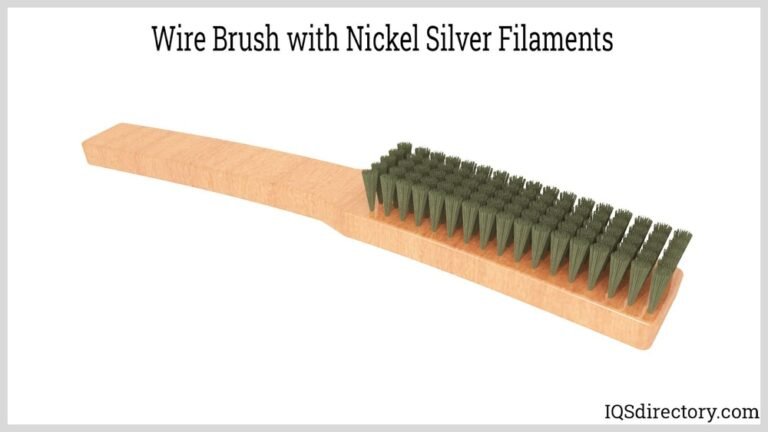
A wire brush is a simple tool with many uses, especially for cleaning, preparing surfaces, and removing rust or paint. It consists of stiff bristles made of metal wire, often brass, steel, or stainless steel, attached to a handle. The type of wire and the stiffness of the bristles determine how aggressive the brush is and what materials it’s best suited for. Understanding what a wire brush is used for can help you tackle various DIY projects and maintenance tasks more effectively.
These brushes are incredibly versatile, found in workshops, garages, and even kitchens. Their primary function is to scrub away unwanted material from surfaces. Whether you’re preparing metal for welding, cleaning tough grime off tools, or removing stubborn debris from machinery, a wire brush is often the go-to solution.
The different designs, from handheld brushes to those that fit onto power tools, offer options for various levels of power and precision.
Cleaning And Surface Preparation
One of the most common uses for a wire brush is cleaning and surface preparation. Before painting, welding, or applying any coating, the surface needs to be clean and free of contaminants. Wire brushes excel at this by removing rust, old paint, dirt, grease, and other debris. This creates a better surface for new materials to adhere to, ensuring a more durable and professional finish.
Removing Rust And Corrosion
Rust is a common problem on metal objects, weakening them and making them look unsightly. A steel wire brush is highly effective at removing rust. By scrubbing the rusted area, the stiff steel bristles can scrape away the oxidized metal. This process not only cleans the surface but also prepares it for rust-inhibiting primers or paints, preventing further corrosion.
For more delicate metals or when a less aggressive approach is needed, a brass wire brush can be used. Brass is softer than steel, making it less likely to scratch or damage the underlying metal. It’s excellent for removing light rust or tarnish without causing significant abrasion.
Stripping Paint And Coatings
Old, peeling paint can be a nuisance. Wire brushes, especially those with stiff steel bristles, can help strip away old paint layers. When used with a wire brush wheel on a drill or grinder, this task becomes much faster. It’s crucial to wear safety glasses, as paint chips and wire fragments can fly off during the process.
This method is best for robust surfaces where minor scratching is not a concern. For more finished surfaces or where precision is needed, other paint removal methods might be more suitable.
Cleaning Grime And Debris
Tools, machinery parts, and even engine components can accumulate stubborn grime, grease, and baked-on dirt. A wire brush is a powerful tool for scrubbing away this tough buildup. The bristles can get into nooks and crannies, dislodging material that a cloth or sponge cannot.
For example, cleaning spark plugs is a common task where a wire brush is used. The bristles clean the electrodes effectively, ensuring proper ignition. Similarly, cleaning engine parts before reassembly often involves a wire brush to remove old gasket material and carbon deposits.
Applications In Various Industries
Wire brushes are not just for home DIYers; they are essential tools across many industries. Their durability and effectiveness make them valuable for both manual labor and automated processes.
Automotive Repair
In the automotive world, wire brushes are indispensable. Mechanics use them for cleaning engine parts, preparing surfaces for painting or sealing, and removing rust from chassis components. Cleaning brake rotors or drums before installation is another common use, ensuring a clean surface for optimal braking performance.
When working on older vehicles or performing restoration projects, wire brushes are crucial for bringing metal parts back to life by removing years of corrosion and dirt.
Metalworking And Fabrication
For welders and metal fabricators, a clean surface is paramount for strong welds. Wire brushes are used to remove mill scale, rust, and contaminants from metal edges before welding. This ensures a clean, strong bond. After welding, they can also be used to clean up excess slag or spatter.
Different types of wire brushes are used depending on the metal. Stainless steel brushes are often preferred when working with stainless steel or aluminum to avoid cross-contamination.
Woodworking
While primarily associated with metal, wire brushes also find use in woodworking. They can be used to create a distressed or antique look on wood by removing softer grain, leaving a textured surface. This is often done with softer brass wire brushes to avoid damaging the wood.
They can also be used to clean wood molds or tools that have accumulated resin or debris.
Household Uses
Around the house, wire brushes can help with various cleaning tasks. They are great for cleaning barbecue grills to remove burnt-on food. They can also be used to clean grout lines, patio furniture, or even stubborn stains on concrete surfaces.
A small wire brush can be handy for cleaning jewelry, removing tarnish or dirt from intricate designs. However, always test on an inconspicuous area first, especially with delicate items.

Credit: binictools.com
Types Of Wire Brushes And Their Uses
The effectiveness of a wire brush depends on its construction. The material of the bristles, their stiffness, and the brush’s design all play a role.
Bristle Material
- Steel Wire: The most common and aggressive type. Excellent for removing heavy rust, paint, scale, and stubborn grime from robust metal surfaces. Can scratch softer metals.
- Brass Wire: Softer than steel, making it ideal for cleaning softer metals like aluminum or brass without causing damage. Good for removing light tarnish, corrosion, and moderate dirt.
- Stainless Steel Wire: Offers good strength and corrosion resistance. It’s a good choice for working with stainless steel, aluminum, or when you need a brush that won’t rust itself, preventing contamination.
- Nylon or Natural Bristle: These are non-metallic and used for very light cleaning, polishing, or applying finishes where abrasion is not desired.
Brush Design
- Handheld Brushes: These come in various shapes, like pistol grip, bench, or utility styles. They are versatile for general cleaning and preparation tasks.
- Wheel Brushes: Designed to be attached to power tools like drills, angle grinders, or bench grinders. They offer faster cleaning over larger areas and more aggressive action.
- Cup Brushes: Similar to wheel brushes but have a cup shape, often used for edge cleaning or working in confined spaces on power tools.
- Pen Brushes: Small, pencil-shaped brushes used for detailed work, cleaning intricate parts, or in tight spaces.
Here’s a look at how different brush types perform on common tasks:
| Task | Recommended Bristle Type | Aggressiveness | Best For |
|---|---|---|---|
| Heavy Rust Removal (Steel) | Steel | High | Thick rust, scale, old paint |
| Light Rust/Tarnish (Aluminum) | Brass | Medium | Aluminum, brass, delicate metals |
| General Cleaning (Machinery) | Steel or Stainless Steel | Medium-High | Grease, dirt, grime on durable surfaces |
| Surface Prep (Welding) | Steel or Stainless Steel | Medium-High | Removing contaminants before welding |
| Distressing Wood | Brass or Nylon | Low | Creating texture on wood |
Power Tool Attachments
When dealing with larger areas or tougher jobs, power tool attachments like wire wheels and cup brushes are invaluable. They significantly speed up the work compared to manual brushing. However, they require more caution due to the higher speeds and forces involved.
When using these, always ensure the brush is rated for the speed of your tool. A brush spinning too fast can break apart, sending wire fragments flying. This is why wearing protective gear, especially safety glasses, is non-negotiable.
Safety Precautions
Working with wire brushes,