
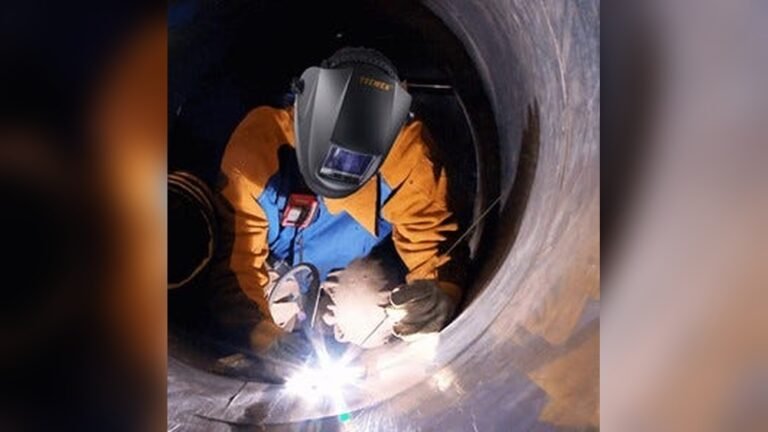
Welding in confined spaces is a task that demands extra caution. These tight areas—like tanks, tunnels, or ship compartments—can be dangerous because of limited airflow, toxic gases, and restricted movement. Accidents in these environments can be severe, sometimes fatal. Many welders know the basics of safety, but working in confined spaces introduces new risks that even experienced professionals can overlook.
Understanding these dangers and following strict safety protocols is critical. It’s not just about protecting yourself; you also protect your coworkers and the facility. Every step, from preparation to finishing the job, matters.
What Makes Confined Spaces Risky For Welders
Confined spaces are defined as areas not designed for easy human entry, with limited exits and poor ventilation. Examples include storage tanks, silos, pipelines, and ship holds. Welding in such places can expose workers to oxygen deficiency, explosive gases, and heat stress.
According to the Occupational Safety and Health Administration (OSHA), over 100 deaths occur yearly in the US due to accidents in confined spaces, many involving welding. Poor ventilation can cause buildup of carbon monoxide or argon—gases that can suffocate or poison. A single spark from a welding torch can ignite flammable vapors, leading to explosions.
Even simple mistakes become dangerous in these settings. For example, dropping a hot welding rod in a small space can ignite residue left on walls or floors. A forgotten tool blocking an exit can slow escape during emergencies. In open areas, fumes spread out, but in confined spaces, they concentrate fast, making even short exposures risky.
Here’s a comparison of hazards inside and outside confined spaces:
| Hazard | Confined Space | Open Area |
|---|---|---|
| Oxygen Deficiency | High Risk | Low Risk |
| Gas Accumulation | Frequent | Rare |
| Escape Difficulty | Hard | Easy |
| Heat Stress | Increased | Lower |
Some hazards are invisible but deadly. For example, nitrogen or argon gases can replace oxygen without any smell or warning. A welder may feel fine one minute, then suddenly collapse due to lack of oxygen. This is why testing and monitoring are so important.
Key Safety Practices For Welding In Confined Spaces
Welding safety starts with planning and continues throughout the job. Missing one step can lead to serious injury. Some practices are obvious, but others are often forgotten.
1. Pre-entry Assessment
Before entering, conduct an assessment:
- Check for gas leaks or hazardous materials.
- Measure oxygen levels (should be 19.5%–23.5%).
- Identify possible fire hazards.
A supervisor should approve entry only when conditions are safe.
Sometimes, the assessment reveals hidden dangers. For example, rust or paint chips inside a tank can release toxic fumes when heated. Don’t rely only on visual checks—use proper instruments. Record all findings and communicate them with the team before anyone enters.
2. Ventilation
Proper ventilation is vital. Without it, fumes and gases from welding accumulate quickly.
- Use mechanical fans or air movers.
- Position vents to remove smoke and supply fresh air.
- Test air quality regularly.
In many cases, portable ventilation systems are used. Here’s how different ventilation methods compare:
| Ventilation Method | Efficiency | Suitable for Confined Spaces |
|---|---|---|
| Natural (open windows/doors) | Low | No |
| Mechanical (fans/blowers) | High | Yes |
| Portable Extraction | Medium | Yes |
Mechanical ventilation is often the best choice. However, make sure fans do not circulate contaminated air back into the space. If working in a tunnel or pipe, position the intake and exhaust at opposite ends for better airflow. Always check that backup fans are ready in case the main system fails.
3. Personal Protective Equipment (ppe)
Always wear the correct PPE:
- Respirators for toxic gases
- Welding helmets and gloves
- Fire-resistant clothing
- Ear protection if noise levels are high
Many welders skip respirators, thinking the space is safe, but gases can build up fast.
Choose PPE that fits well and doesn’t restrict movement. In confined spaces, bulky gear can make it harder to escape quickly. Test your equipment before starting work. Replace damaged PPE immediately—small tears in clothing can lead to burns or chemical exposure.
4. Fire And Explosion Prevention
Remove all flammable items from the area. Have a fire extinguisher nearby. Assign a fire watch—a trained person ready to respond if a fire breaks out.
Inspect the space for hidden sources of ignition, such as electrical wires or oil stains. Make sure everyone knows where the nearest extinguisher and emergency exit are located. The fire watch should remain alert during the entire job, not just at the beginning.
5. Communication And Emergency Planning
Always maintain contact with someone outside the space. Use radios or intercoms. Plan the quickest escape route and keep it clear. Emergency rescue equipment should be ready, including harnesses and stretchers.
A common mistake is relying only on cell phones, which may not work inside metal tanks or underground.
Before starting, run a drill to practice emergency procedures. Make sure all team members know the signals for distress and evacuation. Place signs or markings near exits to guide workers in poor visibility conditions.

Credit: bakersgas.com
Non-obvious Risks And How To Handle Them
Some dangers are harder to spot:
- Hidden gas pockets: Gases can collect in low points or corners. Move air hoses to different spots and test often.
- Heat build-up: Welding in tight areas can lead to overheating. Take breaks and monitor your body temperature.
- Equipment entanglement: Long cables or hoses can trap workers. Keep equipment tidy and use short, manageable lengths.
Many beginners forget to check for previously used chemicals—even after cleaning, residue can cause toxic reactions when heated.
Another overlooked risk is fatigue. Working in awkward positions, sometimes for hours, can slow reaction times and lead to mistakes. Arrange tasks so workers get regular breaks and rotate if possible. Also, remember that changes in weather or temperature outside can affect the air quality inside confined spaces.
Legal Requirements And Standards
OSHA and other agencies set strict rules for confined space welding. Employers must:
- Provide proper training
- Monitor air quality
- Create emergency plans
Failing to comply can lead to fines or shutdowns. For more details, see OSHA’s official guidelines.
Documentation is important. Keep records of all safety checks, training sessions, and incidents. These records can protect both workers and employers if problems arise. Always stay updated with local regulations, as rules may change based on new findings or technology.
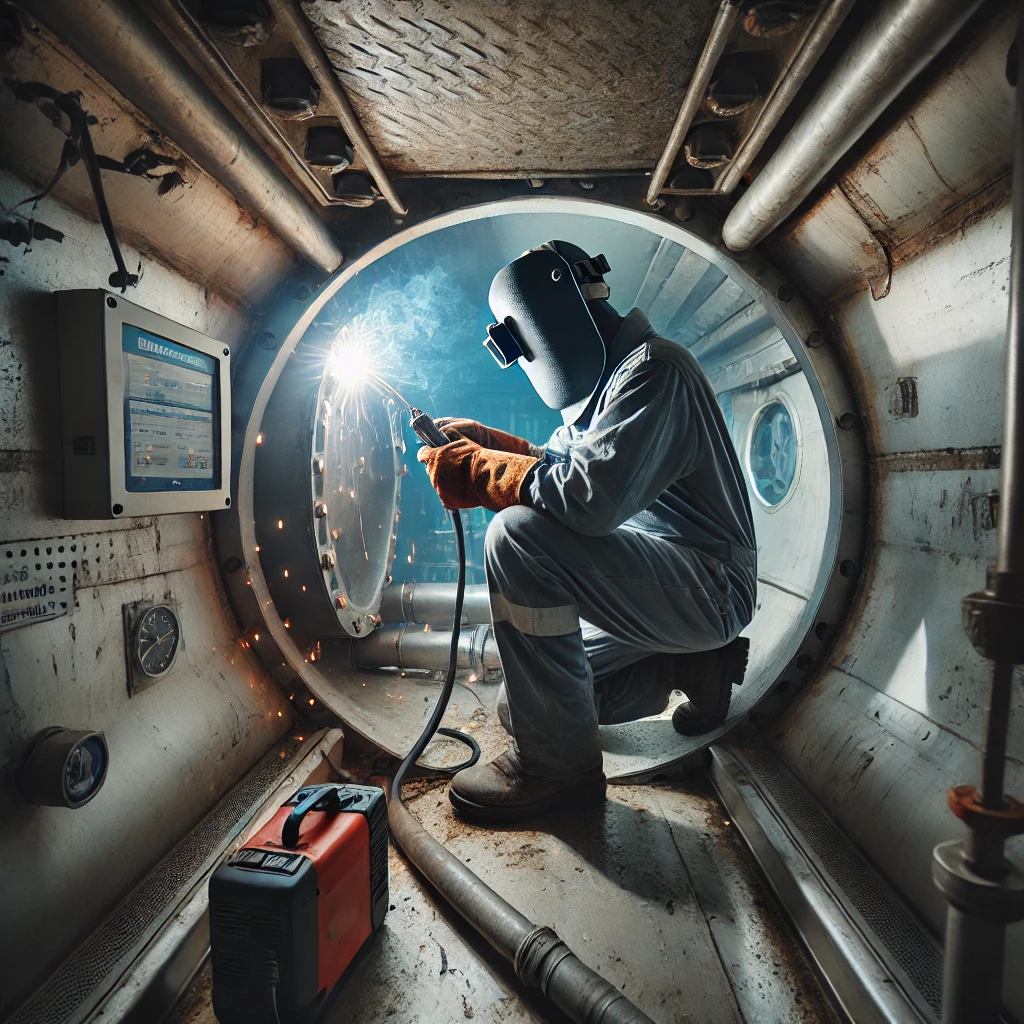
Credit: www.zmdetech.com
Real-life Example: Shipyard Welding Incident
In 2026, a welder in a ship’s fuel tank suffered oxygen deprivation. The ventilation fan failed, and toxic fumes built up. The worker lost consciousness but was saved by a quick rescue. Investigation showed that backup ventilation and rescue equipment were missing—simple steps could have prevented the incident.
This case highlights the importance of having backup systems and a trained rescue team nearby. Regular equipment checks and drills can prevent similar incidents in the future. It also shows that even experienced welders are vulnerable if safety measures are ignored.
Frequently Asked Questions
What Is Considered A Confined Space In Welding?
A confined space is any area with limited entry or exit, not meant for continuous human occupancy, such as tanks, silos, or tunnels.
How Do I Test Air Quality Before Welding?
Use a calibrated gas detector to measure oxygen, carbon monoxide, and explosive gases. Test multiple locations within the space.
Is Ppe Enough To Protect Welders In Confined Spaces?
PPE is essential, but not enough by itself. Proper ventilation, air monitoring, and emergency planning are also critical.
What Should I Do If I Feel Dizzy Or Weak While Welding?
Exit the space immediately and alert others. Dizziness may signal toxic gas exposure or oxygen deficiency.
Are There Legal Penalties For Unsafe Welding In Confined Spaces?
Yes. Employers can face fines, work stoppages, and liability if safety standards are not met.
Welding in confined spaces is a serious job—never cut corners. Understanding the unique risks, preparing carefully, and following safety practices can save lives. Even experienced welders should regularly review protocols and stay alert for hidden dangers. Safety is not just a rule—it’s a responsibility.
Every job is different, so adapt safety measures to your specific situation and always put safety first.
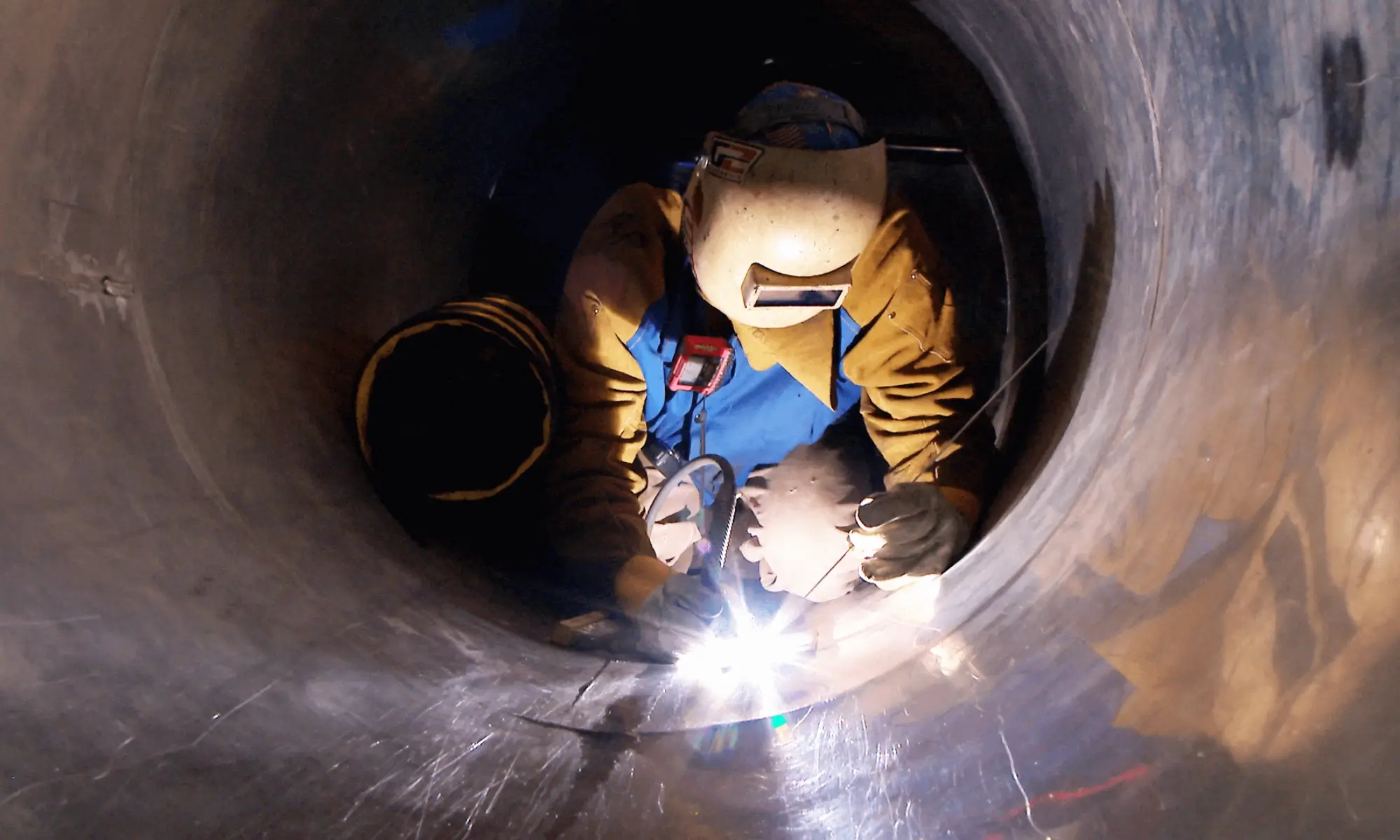
Credit: www.zmdetech.com