
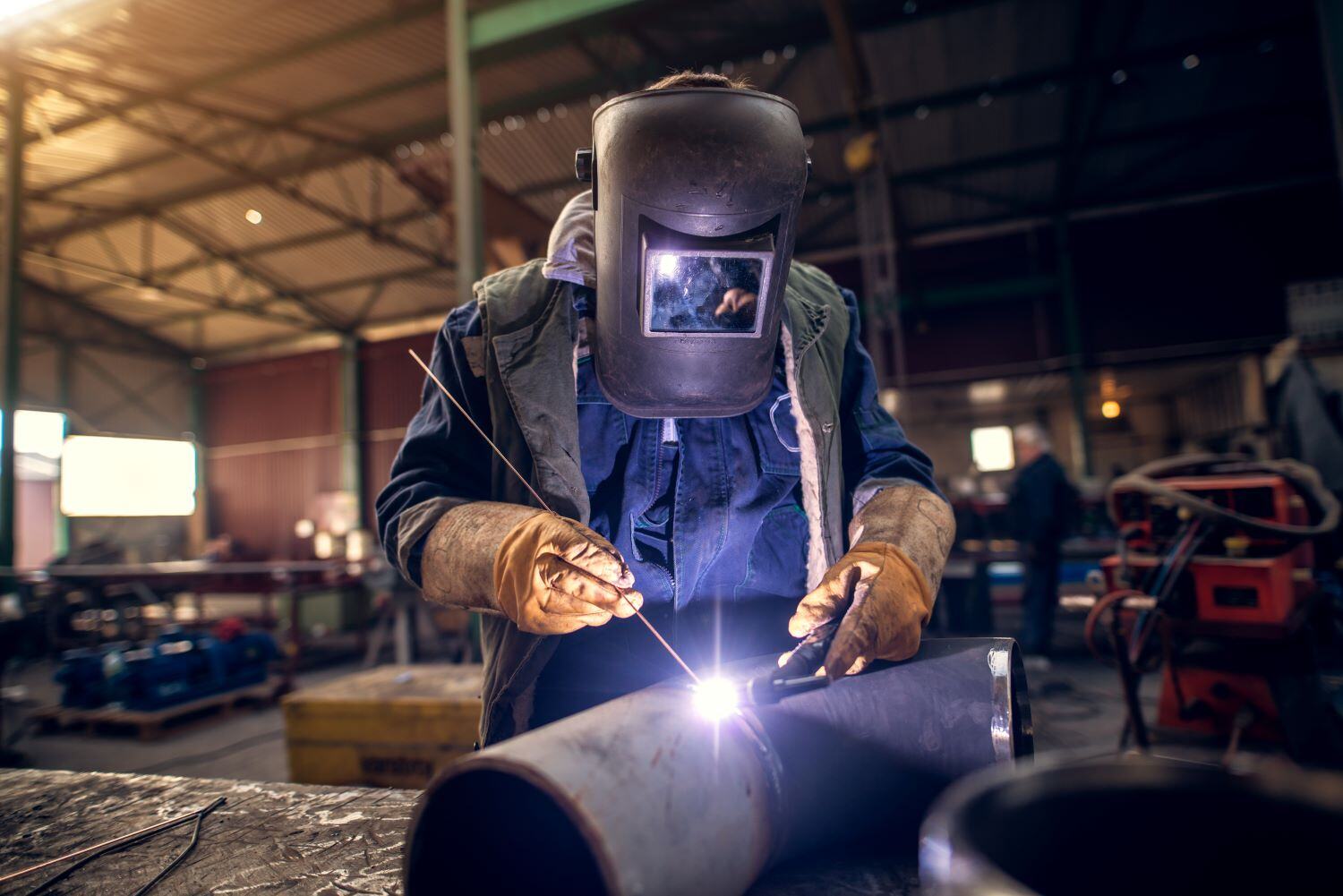
Many people wonder if welding is a good career and how much welders really earn. Welding is a skilled trade that plays a key role in construction, manufacturing, shipbuilding, and many other industries. If you are considering becoming a welder or just curious about their pay, understanding the earning potential can help you make better decisions.
Let’s explore the facts about welder salaries, what affects their income, and how much you can expect in different situations.
Average Salary For Welders
The pay for welders can vary based on experience, location, and industry. According to the U.S. Bureau of Labor Statistics (BLS), the median annual wage for welders in 2026 was about $48,000. This means half of welders earned more, and half earned less. Hourly wages often range between $18 and $25 per hour for entry-level positions. More experienced welders can make much more.
Here’s a quick comparison of different levels of experience:
| Experience Level | Hourly Wage | Annual Salary |
|---|---|---|
| Entry-Level | $18 – $20 | $37,000 – $41,000 |
| Mid-Level | $21 – $25 | $43,000 – $52,000 |
| Experienced | $26 – $35 | $54,000 – $72,000 |
Many welders start at lower wages but can quickly move up with experience and certifications.
Factors That Affect Welder Pay
Several factors influence how much welders make:
- Location: Welders in states like Alaska, Texas, and North Dakota often earn more because of demand in oil, gas, and shipbuilding industries.
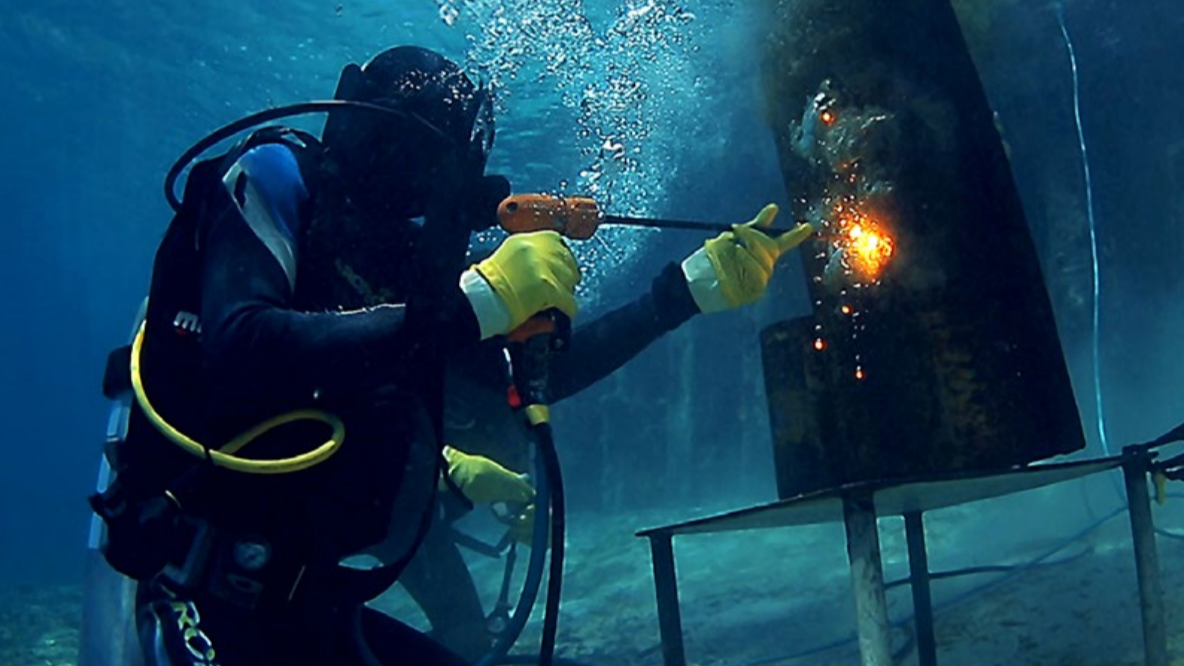
- Industry: Specialized fields like underwater welding or pipeline welding pay higher than general manufacturing.
- Certifications: Having extra certificates, such as from the American Welding Society (AWS), can increase pay.
- Experience: Skilled welders with years of practice are paid more.
- Union Membership: Union welders usually get better benefits and higher wages.
Let’s see how pay changes by industry:
| Industry | Average Annual Salary |
|---|---|
| Manufacturing | $46,000 |
| Construction | $52,000 |
| Oil & Gas | $64,000 |
| Shipbuilding | $58,000 |
| Underwater Welding | $100,000+ |
Underwater welders can earn over $100,000 a year, but this job is risky and needs special training.
Credit: lgresources.com
Highest Paying Welder Jobs
Some welding jobs pay much more than the average. Here are a few examples:
- Underwater Welder: These specialists fix and build structures underwater. They often work for oil companies and can make $100,000 or more per year.
- Pipeline Welder: Works on gas and oil pipelines. Average pay is about $70,000 per year, with some earning more during busy seasons.
- Industrial Welder: In factories or plants, experienced welders can make $60,000+.
- Military Support Welder: Welding for defense contracts can be high-paying, with salaries up to $80,000 per year.
- Certified Welding Inspector: Not only weld, but also check work. Inspectors usually earn between $65,000 and $85,000.
Many beginners overlook that overtime pay can add a lot to income in these jobs. Welders often work more than 40 hours per week, especially on big projects.
Regional Differences In Welder Salaries
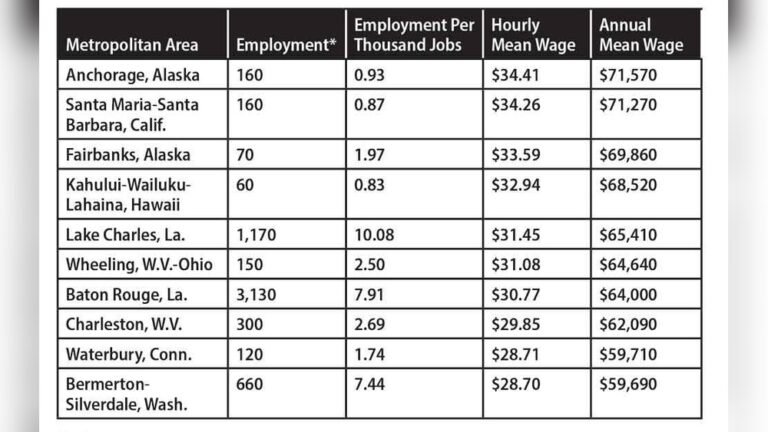
Where you work matters a lot. States with more oil and gas work, like Texas and Alaska, usually pay more. Coastal states with shipyards also offer higher wages.
Here’s a simple comparison of average annual salaries in different states:
| State | Average Salary |
|---|---|
| Texas | $60,000 |
| Alaska | $65,000 |
| California | $55,000 |
| Florida | $50,000 |
| Ohio | $48,000 |
Cost of living is higher in some states, so a bigger salary may not always mean more money in your pocket.
Credit: www.arccaptain.com
How To Boost Your Earnings As A Welder
If you want to earn more as a welder, here are practical tips:
- Get advanced certifications, like AWS Certified Welder or Certified Welding Inspector.
- Learn specialized welding techniques, such as TIG or MIG welding.
- Apply for jobs in industries that pay more, like oil & gas or shipbuilding.
- Consider moving to states with higher demand.
- Join a union for better pay and benefits.
A less obvious tip is to network with other welders and employers. Many high-paying jobs are filled by recommendations, not online ads.
Common Mistakes That Reduce Welder Earnings
Beginners often miss these points:
- Not updating skills or certifications regularly. The industry changes fast.
- Ignoring safety training, which is needed for high-paying jobs.
- Focusing only on hourly wage, and not considering overtime or bonuses.
- Staying in low-paying industries too long.
Sometimes welders forget that extra training and moving to a new state can lead to much higher pay.

Credit: www.bls.gov
Frequently Asked Questions
How Much Do Entry-level Welders Make?
Entry-level welders usually earn $18 to $20 per hour, or about $37,000 to $41,000 per year. Pay increases with experience and certifications.
Are Welding Jobs In Demand?
Yes, welding jobs are in demand, especially in industries like construction, oil & gas, and manufacturing. The need for welders is expected to remain strong as older workers retire.
Do Welders Get Overtime Pay?
Most welders do get overtime pay, especially during large projects. This can add a lot to their yearly earnings. Some jobs pay “double time” for extra hours.
What Certifications Help Welders Earn More?
Certifications from the American Welding Society (AWS), like Certified Welder or Certified Welding Inspector, can help welders earn higher salaries and get better jobs.
What Is The Highest Paying Welding Job?
Underwater welding is often the highest paying job, with salaries starting at $100,000 per year. However, it requires special training and can be dangerous.
Welding is a career with strong earning potential. Your pay depends on your location, industry, skills, and certifications. By making smart choices and keeping your skills up-to-date, you can boost your income. For more detailed information, check the official data from the U.S. Bureau of Labor Statistics. Welding can be rewarding if you take advantage of the right opportunities.