
Welding is one of those careers many people hear about but rarely consider deeply. You might picture sparks flying and heavy metal, but the real story is more interesting. With technology growing and industries changing, you may wonder: Is welding a good career in today’s world? Let’s explore the facts, challenges, rewards, and future of welding, so you can decide if it’s the right path for you.
What Does A Welder Do?
Welders join metal parts using heat and sometimes pressure. This might sound simple, but the work is diverse. Welders help build bridges, cars, ships, airplanes, and even pipelines that transport water and gas. Some welders work in factories, while others travel to different sites or even work underwater.
There are several welding processes, such as MIG, TIG, and stick welding. Each has its own tools and techniques. Learning these methods can open doors to many industries, from construction to aerospace.
Pros Of A Welding Career
Welding has clear benefits. Here are some reasons why many choose this path:
- High demand for welders: The US Bureau of Labor Statistics expects over 42,000 welding job openings each year through 2032.
- No college degree required: Many welders start with a high school diploma and learn through technical schools or apprenticeships.
- Good earning potential: Experienced welders can earn strong wages, especially with specialized skills.
Here’s a quick look at how welding salaries compare to other common skilled trades:
| Trade | Median Annual Pay (2026) |
|---|---|
| Welder | $48,940 |
| Electrician | $60,240 |
| Plumber | $60,090 |
| Carpenter | $51,390 |
Travel opportunities are another plus. Some welders work on projects around the country or even abroad. For adventurous types, this can make the job exciting.

Credit: www.arccaptain.com
Cons And Challenges
Welding is not for everyone. Here are a few things to consider:
- Physical demands: Welders often stand for long periods, lift heavy parts, and work in tight spaces.
- Exposure to hazards: There are risks from heat, sparks, and fumes. Wearing proper safety gear is essential.
- Irregular hours: Some jobs require night shifts, overtime, or traveling far from home.
Welders also face changing work environments. One week you might work in a comfortable shop, and the next you could be outdoors in freezing weather.
Training And Certification
Getting started in welding is more accessible than many careers. Most welders attend technical schools for 6 months to 2 years. Others join apprenticeships, learning on the job while earning a wage.
Certification can boost your job options and salary. The American Welding Society (AWS) offers respected certifications. Some employers require these before you start.
Here’s a look at education paths and time needed:
| Path | Typical Duration |
|---|---|
| Technical School | 6 months – 2 years |
| Apprenticeship | 2 – 4 years (earn while learning) |
| On-the-Job Training | Varies (some months to years) |
One insight many miss: specialization matters. Welders who learn advanced techniques, like pipe welding or underwater welding, can earn much more.
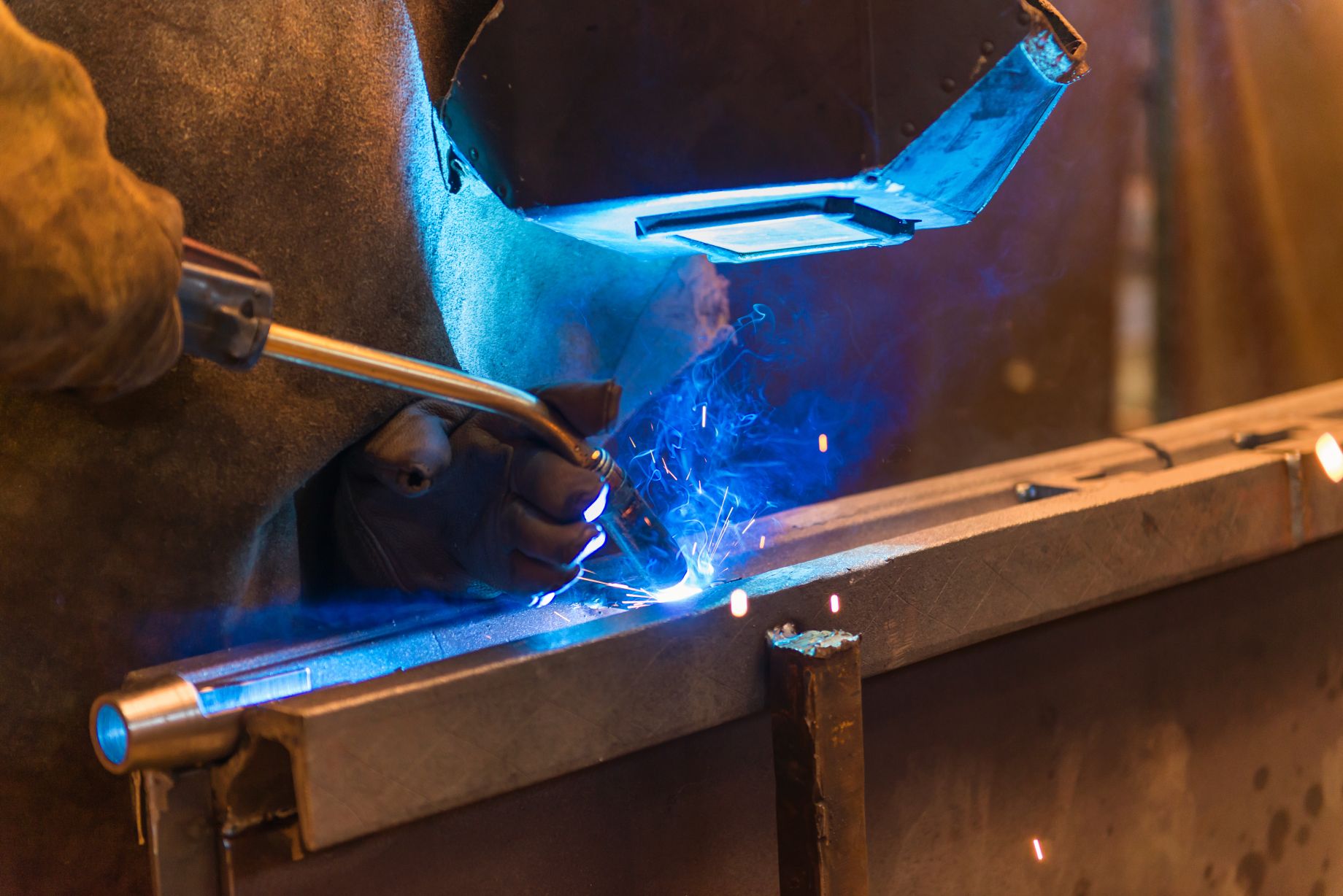
Credit: imbc.edu
Career Growth And Future Outlook
The need for skilled welders remains steady. As older welders retire, new positions open up. Sectors like infrastructure repair, energy, and manufacturing continue to need welders.
A growing trend is automation. Some welding tasks are now done by robots, especially in large factories. However, humans are still needed for complex or creative jobs where machines fall short.
For those willing to keep learning, career advancement is strong. Welders can become:
- Supervisors
- Inspectors
- Welding engineers
- Welding instructors
Here’s how welding job growth compares to other trades:
| Trade | Projected Growth (2026-2032) |
|---|---|
| Welder | 2% |
| Electrician | 6% |
| Plumber | 2% |
| Carpenter | -2% |
Non-obvious Insights
Many beginners focus on the starting pay, but location has a big impact. Welders in Alaska or Texas often earn much more due to oil and gas projects. Also, union membership can mean higher wages and better benefits.
Another thing new welders miss: soft skills matter. Good communication, teamwork, and problem-solving can help you move up faster.

Credit: www.wileymetal.com
Is Welding A Good Career For You?
Welding fits those who like hands-on work, are detail-focused, and enjoy building things. It’s a practical job with clear results—you see what you’ve made at the end of the day.
However, it’s not an easy shortcut to high pay. You need to be comfortable with physical work, following safety rules, and sometimes working in tough conditions. If you want a desk job, welding is probably not the best choice.
For people who want job security, steady demand, and the option to specialize, welding offers real rewards. If you’re interested in learning more, the Wikipedia page on welders is a useful resource.
Frequently Asked Questions
What Is The Average Salary For A Welder In The Us?
The median annual salary for welders is about $48,940, but pay can rise much higher with experience, location, and specialization.
Do I Need A College Degree To Become A Welder?
No, most welders start with a high school diploma and attend a technical school or apprenticeship instead of college.
Is Welding A Dangerous Job?
Welding comes with risks like burns and exposure to fumes, but proper safety gear and training make the work much safer.
Are There Opportunities For Women In Welding?
Yes, more women are entering the field. Employers are encouraging diversity, and there are scholarships and support for women in welding.
Can Welders Work Internationally?
Skilled welders are needed worldwide, especially in industries like shipbuilding and oil & gas. International work often requires extra certifications and flexibility.
Welding isn’t for everyone, but for those who value practical skills and want steady work, it’s a career worth considering. If you’re ready for a hands-on job that builds the world around you, welding may be the right fit.