
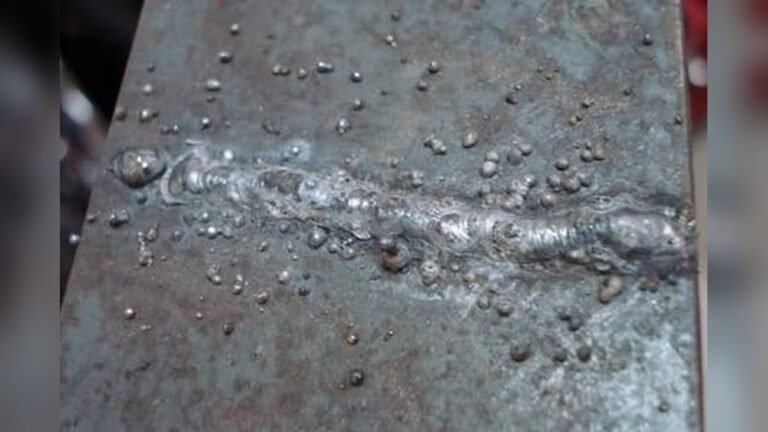
Welding can be very satisfying, but if you’ve spent time with MIG welding, you’ve likely dealt with spatter. Those tiny, hot droplets can stick everywhere—on your project, your table, and even your clothes. Not only does spatter look messy, but it can also ruin a smooth weld and create extra work during cleanup. Understanding how to fix MIG welding spatter (and stop it before it starts) can save you time, effort, and money. Let’s look at what causes spatter, how to reduce it, and what to do if you already have a mess on your hands.
Why Does Mig Welding Spatter Happen?
MIG spatter is not just random. It comes from a few core problems:
- Wrong voltage or wire speed: If your settings are off, the arc isn’t stable. This causes the wire to melt irregularly and spit out droplets.
- Dirty metal: Oil, paint, or rust cause pops and splatter when the arc hits them.
- Poor technique: Holding the gun too far away or at the wrong angle increases spatter.
- Gas issues: Not enough shielding gas lets oxygen mix in, which makes things worse.
Here’s a quick comparison of common causes and results:
| Main Cause | How It Leads to Spatter | Prevention Tip |
|---|---|---|
| High wire speed | Wire burns too fast, splashing droplets | Lower wire feed rate |
| Low voltage | Poor arc stability, erratic melting | Increase voltage setting |
| Dirty base metal | Impurities explode in the arc | Clean before welding |
Many beginners miss that even a little rust or oil can make a big difference. Cleaning is not just for a pretty surface—it makes welding easier.
How To Reduce Mig Welding Spatter
You can’t always remove every bit of spatter, but you can control it. Here are the most effective fixes:
- Set the right parameters. Adjust voltage and wire speed until the arc sounds smooth—almost like frying bacon, not popping corn.
- Clean your metal. Use a wire brush or grinder to remove rust, paint, and grease. Even a light wipe with acetone helps.
- Check your shielding gas. Most MIG welding uses a mix of 75% argon and 25% CO₂. Use enough flow (about 20–25 CFH) and shield the area from wind.
- Keep a short stickout. That’s the distance from the tip of your contact tube to the workpiece. About ⅜ inch is best.
- Use anti-spatter spray or gel. These products coat your nozzle and work area, making spatter less likely to stick.
Key Settings For Spatter Reduction
Compare how settings can affect results:
| Parameter | Poor Setting | Good Setting |
|---|---|---|
| Voltage | Too low (arc pops) | Just right (steady arc) |
| Wire Speed | Too high (spits wire) | Balanced (smooth feed) |
| Gas Flow | Too low (porosity, spatter) | Correct (clean weld) |
A pro tip: Don’t just trust the chart on your welder. Listen to the sound and watch the weld pool. Small tweaks can make a big difference.
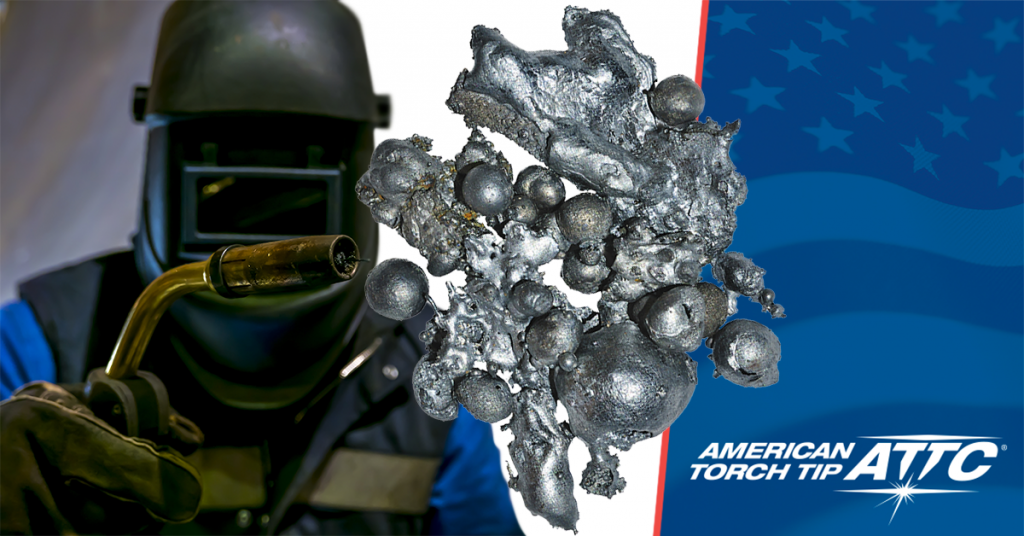
Credit: americantorchtip.com
How To Remove Mig Spatter
If spatter already happened, don’t worry. There are easy ways to clean it up:
- Wire brush: For small spots, a stiff wire brush does the trick.
- Chipping hammer: Bigger blobs can be knocked off with a chipping hammer.
- Grinder or flap disc: For heavy spatter on metal, a grinder makes quick work, but go slow to avoid damaging the surface.
- Anti-spatter spray (after cleaning): Use this to prevent future spatter from sticking.
If spatter lands on your MIG gun nozzle, use nozzle pliers to clean it out. Built-up spatter here can cause poor electrical contact and more spatter.
Example: Cleaning Spatter Off A Weld
Let’s say you finished a weld and see several small beads stuck around your seam. First, wait for the metal to cool. Brush off what you can with a wire brush. For stubborn spots, tap gently with a chipping hammer.
If anything remains, quickly pass a grinder over the area—but only lightly, so you don’t remove too much metal.
Preventing Spatter On Your Next Weld
The best fix is prevention. Here’s a quick checklist to follow before you start:
- Check machine settings for correct voltage and wire speed.
- Clean the metal surface well.
- Apply anti-spatter spray to your gun nozzle and work area.
- Make sure gas is flowing at the right rate.
- Practice steady movement—keep your angle and stickout consistent.
Two insights many new welders miss:
- Even a small draft can blow away shielding gas, causing spatter. Weld indoors or use barriers.
- Too much anti-spatter spray can create smoke and contamination. Use only a thin layer.
Credit: www.twi-global.com
Common Myths About Mig Spatter
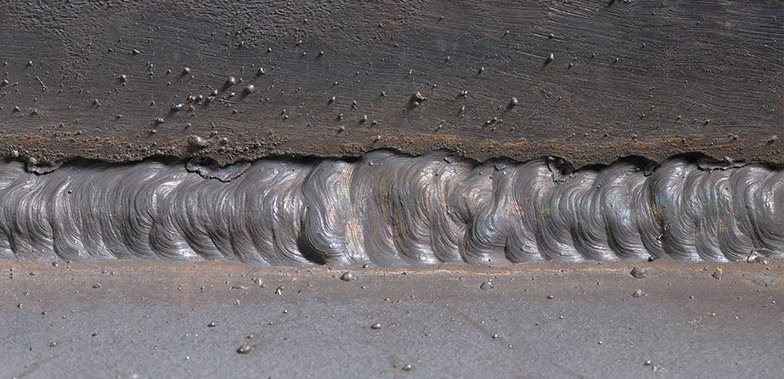
You might hear that spatter is just part of MIG welding. That’s not true. With good technique, spatter can be reduced to almost nothing. Another myth is that only expensive machines can weld cleanly. In reality, most spatter comes from setup and technique, not the cost of your welder.
When Is Spatter A Real Problem?
A few specks of spatter are not serious. But if you see:
- Thick clumps that are hard to remove
- Spatter sticking to the inside of your nozzle or liner
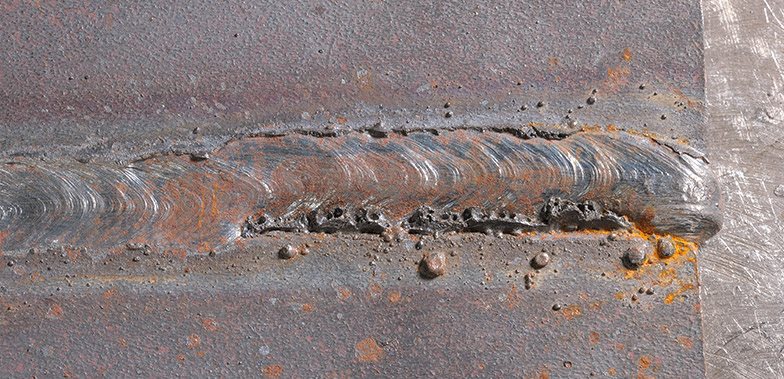
- Porosity (tiny holes) in your weld
…it’s time to stop and check your settings, technique, and materials. Excessive spatter can hide weld defects, so always inspect your finished work.
Credit: www.twi-global.com
Frequently Asked Questions
How Much Spatter Is Normal In Mig Welding?
A small amount is common, but large drops or a rough surface show something is wrong. You should see a mostly smooth bead with only a few small specks.
Can I Use Cooking Spray Instead Of Anti-spatter Spray?
It works in a pinch, but it’s not ideal. Commercial anti-spatter sprays are designed for welding and won’t cause smoke or contamination. Use them for best results.
What’s The Best Way To Clean Spatter Off Painted Surfaces?
Wait for the spatter to cool, then use a plastic scraper or soft brush. Avoid metal tools, which can scratch the paint. Clean up as soon as possible for easier removal.
Does Wire Quality Affect Spatter?
Yes. Cheap wire often has more impurities, which increases spatter. Choose a high-quality MIG wire, and store it dry to prevent rust.
Where Can I Learn More About Mig Welding Techniques?
A great place to start is the Gas Metal Arc Welding Wikipedia page for basics and deeper technical details.
Getting spatter under control is all about understanding your process, practicing good habits, and staying consistent. With the right approach, you’ll spend less time cleaning up and more time making strong, beautiful welds.