
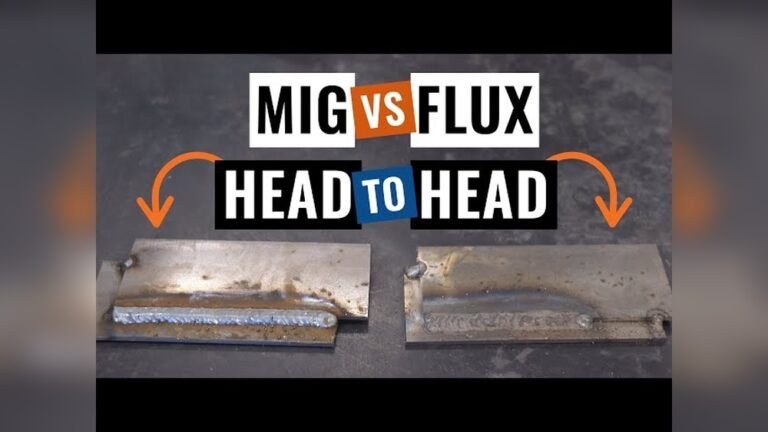
Choosing the right welding process can be confusing, especially when you’re deciding between MIG welding and flux core welding. Both methods are popular for joining metals, but they have distinct differences. Understanding these differences will help you pick the best option for your project, whether you’re fixing a fence, building a trailer, or starting a hobby in metalwork. This guide will explain MIG and flux core welding in simple terms, show their advantages and drawbacks, and compare them with real-world examples, so you can make an informed choice.
What Is Mig Welding?
MIG welding stands for Metal Inert Gas welding. It uses a wire electrode fed through a welding gun, along with shielding gas (usually argon or a mix with CO₂) that protects the weld from air.
MIG welding is known for:
- Clean welds with minimal spatter
- Easy operation for beginners
- Fast welding speed
MIG works best indoors, where wind can’t blow away the shielding gas. It’s widely used in automotive repair, fabrication shops, and home projects.
What Is Flux Core Welding?
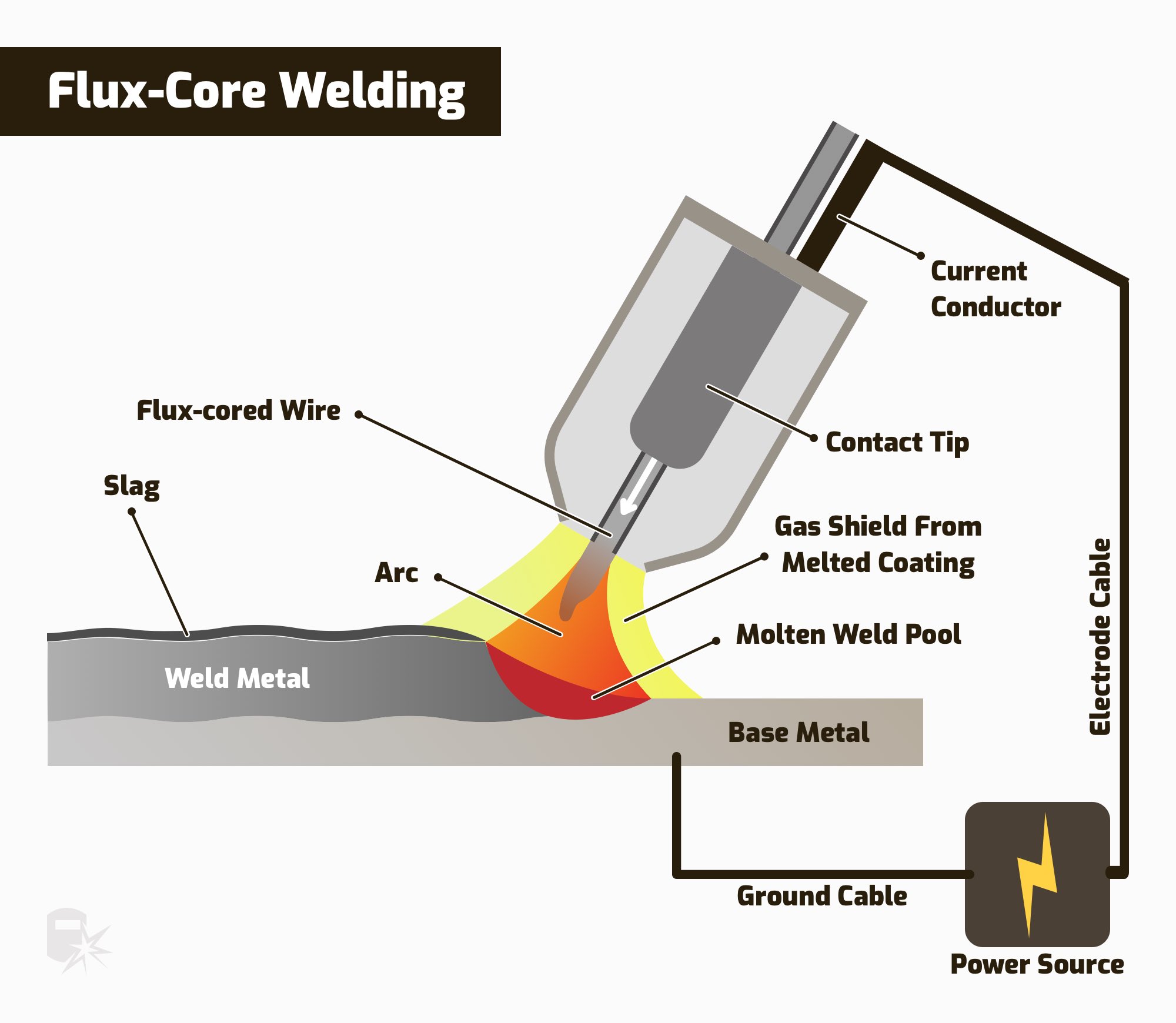
Flux core welding uses a hollow wire filled with flux. When heated, the flux releases gases that protect the weld from contamination, so you don’t need extra gas tanks.
Flux core welding is popular because:
- It works outdoors—wind won’t ruin the weld
- It can weld thicker metals
- It is portable (no gas tanks needed)
Many construction and farm workers use flux core for its strength and flexibility. However, the process usually creates more spatter and requires cleaning after welding.
Mig Vs Flux Core: Key Differences
To help you compare MIG and flux core easily, here’s a quick overview:
| Feature | MIG Welding | Flux Core Welding |
|---|---|---|
| Shielding Gas | Required | Not required |
| Outdoor Use | Poor (gas blows away) | Excellent |
| Weld Appearance | Smoother | More spatter |
| Metal Thickness | Thin to medium | Medium to thick |
| Portability | Needs gas tank | Just the machine |
Advantages And Disadvantages
Let’s look closer at what each method offers.
Mig Welding
Advantages:
- Cleaner welds – Less cleanup needed.
- Easy for beginners – Simple setup and operation.
- Good for thin metals – Ideal for auto body or sheet metal.
Disadvantages:
- Sensitive to wind – Gas can blow away outdoors.
- More equipment needed – Gas tanks, regulators.
- Limited on thick metals – Not the best for heavy structures.
Flux Core Welding
Advantages:
- Works outside – No gas, wind isn’t a problem.
- Welds thick steel – Strong penetration.
- Portable – Take anywhere, just plug in.
Disadvantages:
- More spatter – You’ll need to clean after.
- Less smooth welds – Not as shiny.
- Wire cost – Flux core wire is more expensive.
When Should You Use Each Method?
If you need to weld thin sheet metal, MIG welding is the better choice. For example, car repairs or making small furniture usually require neat, smooth welds that MIG delivers.
If you’re working on outdoor projects or thick steel, flux core welding is more reliable. Building fences, gates, or farm equipment often means welding outside, where MIG’s gas would blow away.
Here’s a real-world comparison for a common task:
| Task | MIG | Flux Core |
|---|---|---|
| Car body panel repair | Excellent (smooth, clean welds) | Possible, but more spatter |
| Outdoor fence construction | Risky (wind, gas issues) | Recommended |
| Heavy steel trailer frame | May struggle with thick metal | Strong penetration |
Common Mistakes Beginners Make
Many people new to welding often:
- Use MIG outdoors without realizing wind can ruin the weld.
- Forget to clean flux core welds, leading to weak connections.
- Try to weld thick metal with MIG, causing poor penetration.
- Ignore wire speed settings, resulting in uneven welds.
Remember, always check your equipment and follow safety guidelines. If you’re unsure, start with scrap metal and practice before tackling real projects.

Credit: www.youtube.com
How To Choose The Right Welding Method
When deciding between MIG and flux core, ask yourself:
- Will you weld indoors or outdoors?
- Are your materials thick or thin?
- Do you need portable equipment?
- Is weld appearance important?
For most home workshops, MIG welding is preferred for neat, small jobs. Flux core is better for heavy, outdoor work. Some welders buy machines that support both methods, so they can switch as needed.
Quick Comparison Table
Here’s a summary of the most important factors:
| Factor | MIG | Flux Core |
|---|---|---|
| Setup Complexity | Moderate | Simple |
| Skill Level | Beginner-friendly | Beginner to intermediate |
| Maintenance | Low | Medium (cleaning needed) |
| Cost | Lower wire cost | Higher wire cost |

Credit: ssmalloys.com
Additional Insights
One thing many beginners miss is that flux core can be used on rusty or dirty metal, which is a big advantage on older projects. Also, while MIG welders are often seen as easier, they require more precise settings for wire speed and voltage—small errors can ruin a weld.
If you plan to weld aluminum, MIG is the better choice. Most flux core wires are for steel only.
For more technical details, you can read the Wikipedia page on welding.
Frequently Asked Questions
Is Flux Core Welding Stronger Than Mig?
Flux core can create stronger welds on thick steel because of deeper penetration. However, both methods are strong if used correctly.
Can I Use Both Mig And Flux Core With The Same Machine?
Many modern welders let you switch between MIG and flux core by changing the wire and settings. Check your machine’s manual.
What Safety Gear Do I Need For Both Methods?
You need a welding helmet, gloves, and protective clothing for both. Flux core produces more fumes, so extra ventilation helps.
Which Method Is Faster For Beginners?
MIG welding is usually faster and easier for beginners, especially on clean, thin metal. Flux core requires more cleaning after.
Can Flux Core Weld Aluminum?
Most flux core wires are for steel. Aluminum welding is best done with MIG and the right wire.
Choosing between MIG and flux core welding comes down to your project needs, material, and environment. By understanding the strengths and weaknesses of each method, you can get better results and avoid common mistakes. Whether you’re starting out or upgrading your workshop, knowing these basics will save you time and money.
Credit: weldguru.com