
Push Or Pull Mig Welding: Which Technique Should You Use?
MIG welding is one of the most popular methods for joining metal. It’s fast, efficient, and suitable for many materials. But one question often divides welders: Should you use the push technique or the pull technique? The answer affects weld quality, strength, and even your comfort. If you’re a beginner or want to improve your skills, understanding this choice is essential.
What Is Push And Pull Mig Welding?
Both techniques refer to the direction in which you move the welding gun. Imagine the gun as a paintbrush. In MIG welding:
- Push technique: You angle the gun away from the weld puddle and push it forward. The wire leads the way.
- Pull technique: You drag the gun toward you, so the wire follows behind.
This simple difference changes how the weld forms and how the finished bead looks.
Comparing Push Vs Pull: Key Differences
Here’s a quick overview to help visualize the main differences:
| Technique | Gun Angle | Penetration | Bead Appearance |
|---|---|---|---|
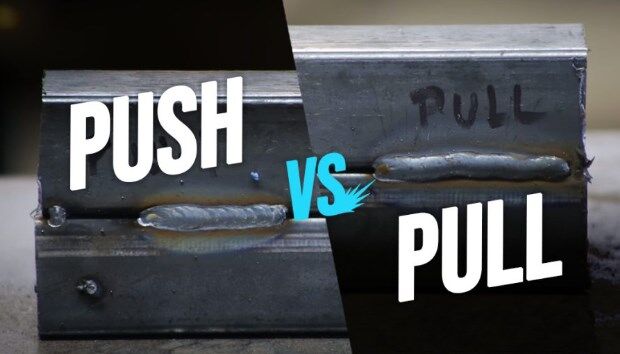
| Push | 10-15° away from puddle | Lower | Wide, flatter |
| Pull | 10-15° toward puddle | Higher | Narrow, taller |
The push method creates a wider bead with less penetration. This is useful for thin materials and when you want a smooth look. The pull method produces deeper penetration and a narrower bead, which is better for thick metals or when strength is important.
When To Use Push Mig Welding
Push welding is most common for:
- Sheet metal: It’s perfect for thin steel, aluminum, and auto body work.
- Appearance: If you want a clean, smooth bead, pushing gives the best results.
- Less spatter: Push technique often produces less spatter, making cleanup easier.
- Visibility: You can see the weld pool better, so it’s easier to control.
For example, in automotive repair, welders usually push the gun to avoid burning through thin panels. The wider bead also helps cover gaps and seams.
When To Use Pull Mig Welding
Pull welding is preferred when:
- Thicker material: It’s ideal for structural steel, farm equipment, or pipes.
- Maximum strength: Pulling the gun increases penetration, making joints stronger.
- Dealing with rust or dirt: If the metal isn’t perfectly clean, pulling can help burn through contaminants.
- Vertical or overhead welds: Pulling can provide more control in tricky positions.
If you’re welding a trailer frame or repairing a steel beam, the pull technique ensures the weld penetrates deeply. This is important for safety and durability.

Credit: www.youtube.com
Practical Tips For Choosing Your Technique
Choosing push or pull isn’t always simple. Here are a few practical tips:
- Test first: Try both methods on scrap metal to see which works best for your project.
- Consider position: Push for horizontal and flat welds; pull for vertical or overhead.
- Watch your angle: Keep the gun at a consistent 10-15° angle for both techniques.
- Adjust settings: More penetration often requires higher voltage and slower travel speed.
Many beginners overlook how angle and travel speed affect results. For example, too steep an angle can cause undercutting or excessive spatter. Also, don’t forget to adjust your machine settings when switching techniques.
Advantages And Disadvantages
To make it easier to compare, here’s a summary:
| Technique | Advantages | Disadvantages |
|---|---|---|
| Push | Smoother bead, less spatter, easier visibility | Lower penetration, not ideal for thick metals |
| Pull | Higher penetration, stronger welds | More spatter, harder to see weld pool |
Real-world Examples
Let’s look at how this works in practice.
- Automotive repair: Most professionals push the gun to avoid warping thin panels.
- Steel construction: Welders often pull the gun for beams and supports, needing maximum strength.
- Art projects: Artists sometimes mix both techniques for different effects, using push for appearance and pull for structure.
A common mistake is always using the push technique, even on thick metals. This can lead to weak welds that fail under stress. On the other hand, pulling on thin sheets can cause burn-through.
Scientific Data And Welding Standards
Studies show that penetration depth can be up to 30% greater with the pull technique compared to push. According to the American Welding Society, welds for structural applications should meet minimum penetration standards, which are easier to achieve with pull MIG welding.
In factories, welders often switch techniques depending on material thickness and job requirements. Consistency is key: changing angles mid-weld can weaken the joint.

Credit: yeswelder.com
Non-obvious Insights
Most beginners don’t realize that:
- Travel speed matters: Moving too fast with either technique causes weak, narrow beads.
- Shielding gas coverage changes: Push technique spreads gas forward, protecting the weld more. Pull concentrates gas behind the bead, which can expose the weld to air if not careful.
These details are often missed in basic tutorials but make a big difference in weld quality and durability.
Frequently Asked Questions
What Is The Main Difference Between Push And Pull Mig Welding?
Push MIG welding directs the gun away from the weld pool, creating a wider, flatter bead with less penetration. Pull MIG welding moves the gun toward the weld pool, resulting in deeper penetration and a narrower bead.
Which Technique Is Better For Beginners?
Most beginners find the push technique easier because it offers better visibility and smoother results on thin materials. However, learning both is important for versatility.
Does Weld Strength Change With Push Or Pull?
Yes. The pull technique generally creates stronger welds due to deeper penetration, especially on thick metals.
How Do I Choose Between Push And Pull?
Consider the material thickness, desired appearance, and strength. Push for thin sheets and smooth looks, pull for thicker metals and maximum strength.
Are There Any Official Standards For Push Or Pull?
No official rules require one technique over the other, but industry standards like those from the American Welding Society recommend choosing based on penetration and project needs.
Mastering both push and pull MIG welding opens up more possibilities for your projects. By understanding the strengths and weaknesses of each method, you can produce welds that are not only strong but also look great. Practice, observe the results, and adjust your technique for each job.
With experience, you’ll know exactly when to push and when to pull—making your welding safer, smarter, and more effective.
Credit: www.megmeet-welding.com