
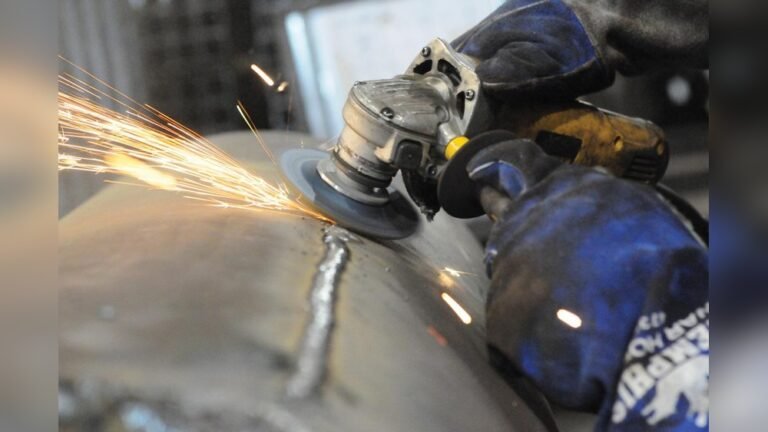
When you finish welding, cleaning the weld is a vital step. Without cleaning, your weld can look messy, and it may even be weaker than you expect. Two common tools for weld cleaning are the wire wheel and the wire brush. Both help remove slag, rust, paint, and spatter, but each works in different ways. Choosing the right tool can save you time and improve your results. Let’s look at how these tools compare and which one is best for your needs.
What Is A Wire Wheel?
A wire wheel is a round tool made of metal wires attached to a hub. You connect it to a power tool, usually an angle grinder or bench grinder. When the wheel spins fast, the wires scrub the weld, removing unwanted material.
Wire wheels are available in different shapes:
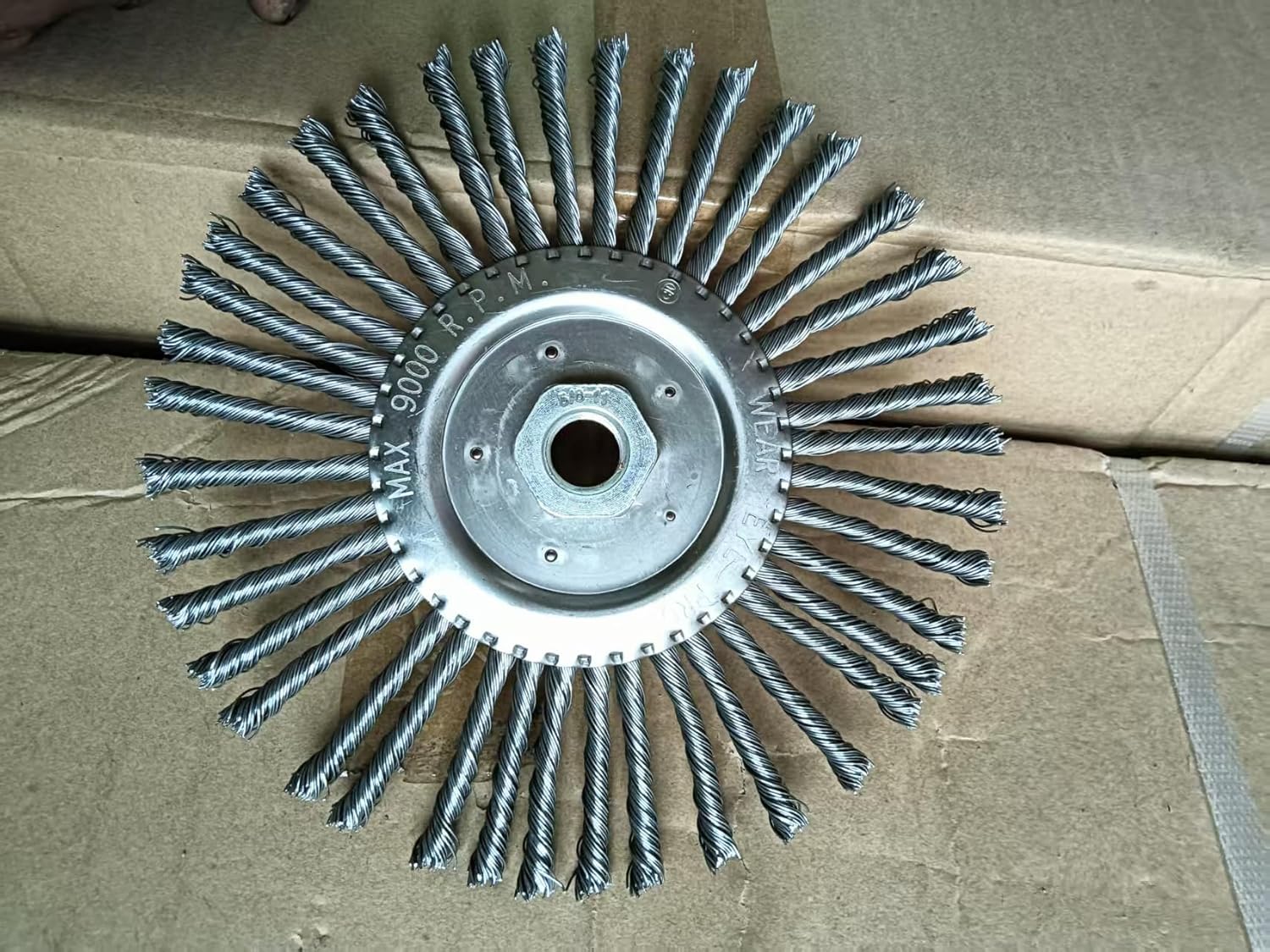
- Crimped wire wheels: Wires are bent and flexible, good for light cleaning.
- Twisted wire wheels: Wires are tightly twisted together, suitable for heavy-duty cleaning.
Wire wheels cover large areas quickly. They are perfect for cleaning big welds or prepping metal surfaces before welding.
What Is A Wire Brush?
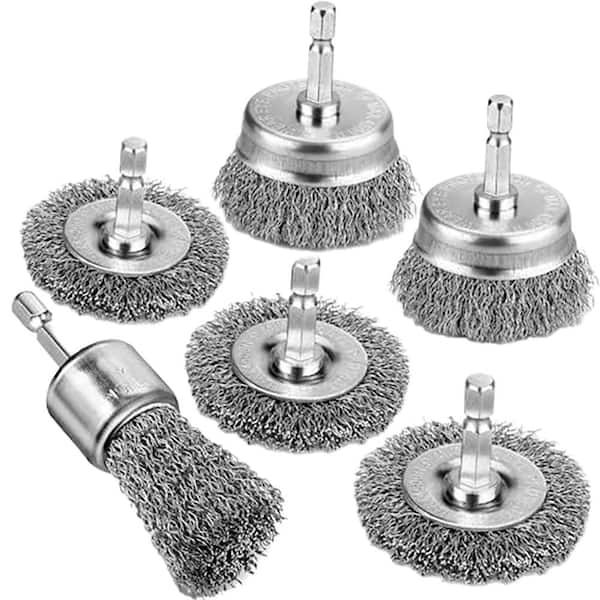
A wire brush looks like a regular brush, but with metal bristles. You use it by hand, scrubbing directly on the weld. Wire brushes come in different sizes and shapes, such as:
- Handheld wire brushes: Used manually for small jobs and tight spaces.
- Brushes for power tools: Attach to drills or grinders for faster cleaning.
Wire brushes are ideal for precise work. They help you clean corners, edges, and spots where a wheel cannot reach.
Credit: www.homedepot.com
Comparing Wire Wheel And Wire Brush
Choosing between a wire wheel and wire brush depends on your project. Here’s a clear comparison:
| Feature | Wire Wheel | Wire Brush |
|---|---|---|
| Speed | Fast (powered) | Slow (manual) |
| Coverage | Large areas | Small, precise spots |
| Effort | Low (machine-powered) | High (requires force) |
| Best Use | Heavy-duty, bulk cleaning | Detailing, corners |
| Safety | Needs PPE, risk of flying wires | Lower risk, but still need gloves |
Cleaning Performance
Wire wheels remove heavy contaminants quickly. They are great for thick slag or old paint. However, they can damage thin metal or delicate welds if used carelessly.
Wire brushes let you control pressure and direction. You can clean a weld without scratching the surrounding metal. They are safer for thin materials.
Efficiency And Safety
Wire wheels save time but demand safety precautions. The spinning wires can break off and fly. Always wear safety glasses and gloves.
Wire brushes are slower, but safer. They are less likely to harm you or your project. For beginners, brushes give more control.
How To Choose The Right Tool
Selecting between wire wheels and wire brushes depends on:
- Size of the weld area: Large welds need a wire wheel; small, detailed welds need a brush.
- Type of material: Thick steel can handle a wheel; aluminum and thin sheet metal do better with a brush.
- Type of cleaning: Removing heavy slag or rust? Use a wheel. Need to clean a corner or a tight spot? Use a brush.
Here is a quick comparison for common weld cleaning jobs:
| Job Type | Recommended Tool |
|---|---|
| Removing weld spatter | Wire wheel |
| Cleaning fillet welds | Wire brush |
| Surface rust removal | Wire wheel |
| Cleaning corners and edges | Wire brush |
| Preparing metal for welding | Wire wheel |

Credit: etnatransformadores.com.br
Common Mistakes Beginners Make
Many beginners use the wrong tool for the job. Here are two mistakes to avoid:
- Using a wire wheel on thin metal. This can remove too much material and weaken your weld.
- Not wearing protective gear. Even a wire brush can poke through gloves, and wire wheels can send metal pieces flying.
Another overlooked mistake is pressing too hard. Whether you use a wheel or brush, let the tool do the work. Excess force can damage the metal or the tool.
Practical Tips For Weld Cleaning
- Always check the wire type. Stainless steel wires are best for stainless welds.
- Replace worn wire wheels and brushes. Old tools become less effective and can break.
- Clean the weld before and after welding for best strength and appearance.
- For tricky spots, try a wire brush with a curved head. It reaches inside corners better.
If you want more detailed guides on weld cleaning, you can read at Lincoln Electric.
Credit: lustaufbesserleben.de
Frequently Asked Questions
What Is The Main Difference Between A Wire Wheel And A Wire Brush?
The wire wheel is powered and cleans large areas quickly. The wire brush is used by hand and is best for detailed work and corners.
Can I Use A Wire Wheel For All Weld Cleaning Tasks?
No. Wire wheels are too aggressive for thin metals and detailed areas. Use a wire brush for small welds or delicate materials.
Is It Safe To Use A Wire Wheel Without Protective Gear?
No. Always wear safety glasses, gloves, and long sleeves. Wire wheels can throw off metal pieces and wires.
How Often Should I Replace My Wire Wheel Or Brush?
Replace them when the wires are bent, broken, or worn down. Old tools can damage your weld and are unsafe.
Are Stainless Steel Wire Wheels Better Than Regular Steel?
Yes, for cleaning stainless steel welds. Using regular steel wires on stainless can cause contamination and rust.
Choosing between wire wheel and wire brush depends on your project, material, and the finish you want. If you work with large, tough welds, the wire wheel is your friend. For smaller, detailed jobs, stick with the wire brush. Using both tools wisely will give you clean, strong, and professional-looking welds every time.