
Welding in the summer comes with its own set of challenges. High temperatures mixed with the heavy gear needed for safety can make the job uncomfortable, and sometimes dangerous. Many welders wonder: what should you wear under a welding jacket in summer to stay both safe and cool? The right choices can make a huge difference. Let’s break down the best options, common mistakes, and smart strategies for staying comfortable and protected during hot weather welding.
Understanding The Risks Of Summer Welding
Welding always requires protective clothing to guard against sparks, UV radiation, and burns. In summer, the risk of heat-related illnesses like heat exhaustion and dehydration increases. Sweating under a thick welding jacket can lead to discomfort, skin irritation, and even distraction. Finding the balance between safety and comfort is critical.
Best Materials To Wear Under A Welding Jacket
Not all fabrics are suitable for welding, especially when temperatures rise. The material next to your skin can affect both your safety and comfort.
Cotton: The Preferred Choice
100% cotton shirts are the most popular option for welders, especially in summer. Cotton is breathable, absorbs sweat, and is less likely to melt onto the skin if exposed to sparks.
| Material | Breathability | Melting Risk | Heat Resistance |
|---|---|---|---|
| Cotton | High | None | Good |
| Polyester | Medium | High | Poor |
| Wool | Medium | None | Excellent |
| Nylon | Low | Very High | Poor |
Polyester and nylon should be avoided. These synthetic fabrics can melt when exposed to sparks, causing serious burns. Wool offers great protection but can be too warm for most summer environments.
Flame-resistant (fr) Clothing
Flame-resistant (FR) shirts are designed for welders and offer extra protection. Many brands now make lightweight FR shirts specifically for hot weather. These are often more expensive than regular cotton, but they provide peace of mind if you work with high heat or in hazardous environments.
Moisture-wicking Options
Some welders prefer moisture-wicking FR shirts. These pull sweat away from your body, keeping you drier. However, make sure they do not contain synthetic fibers that can melt. Only use moisture-wicking shirts labeled as flame-resistant and safe for welding.
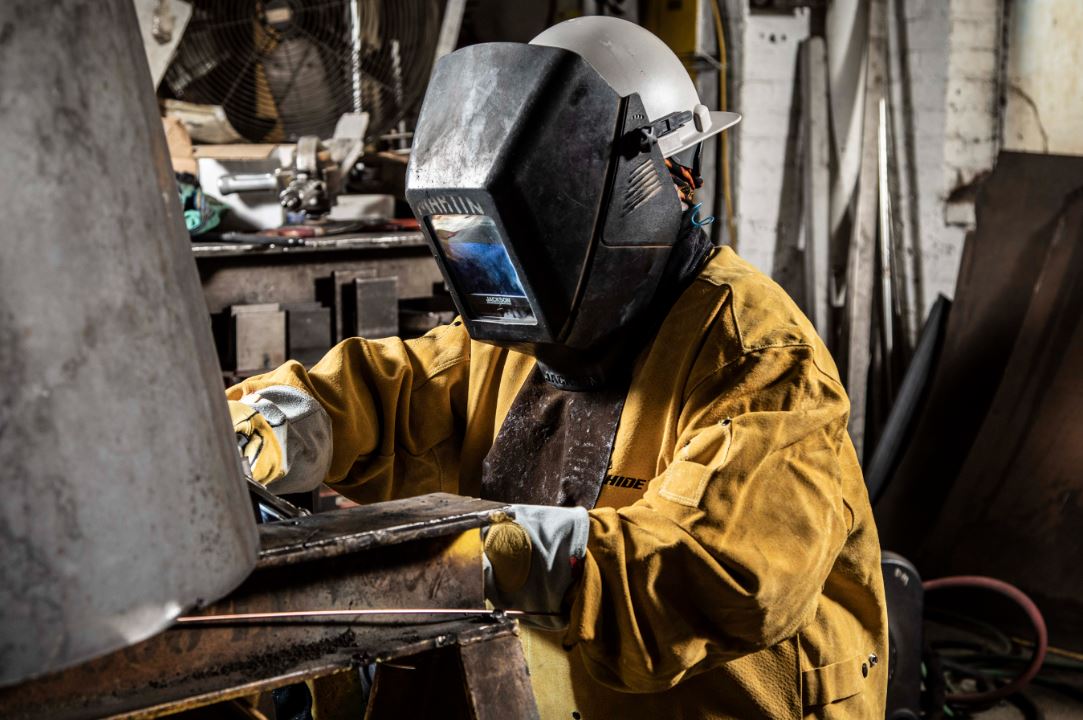
Credit: us.pipglobal.com
Choosing The Right Fit And Style
Loose clothing can catch sparks, while tight clothes can restrict movement and increase sweating. A comfortable, relaxed fit is best. Long sleeves are always recommended, even in summer, to protect your arms from UV and sparks.
| Fit Type | Pros | Cons |
|---|---|---|
| Slim/Tight | Less fabric, less bulk | Less air circulation, more sweat |
| Loose/Baggy | Better airflow | Can catch sparks, get tangled |
| Relaxed | Good balance of comfort and safety | None (if not too loose) |
Roll up the cuffs only if they are secure and will not expose your skin.
Layering: Is It Necessary In Summer?
Most welders wear just a single layer under their welding jacket during hot weather. However, there are situations where light layering can help:
- Sweat Absorption: A thin cotton undershirt can absorb sweat and prevent chafing from the jacket.
- Extra Protection: If working with especially high amperage or overhead welding, an extra layer can offer more protection from falling sparks.
Never wear more than two thin layers under your jacket in hot weather, as this can quickly lead to overheating.

Credit: waylanderwelding.com
Common Mistakes To Avoid
Many new welders make clothing mistakes that put both comfort and safety at risk.
- Wearing synthetic base layers (polyester, nylon, spandex)
- Choosing sleeveless shirts or shorts, exposing skin
- Ignoring the importance of flame resistance
- Overdressing with too many layers in an attempt to absorb sweat
A good rule: if you’re unsure about a fabric, do not wear it for welding.
Cooling Strategies For Summer Welding
Besides clothing, there are practical ways to stay cooler while welding in the heat:
- Hydrate often, aiming for at least 8 ounces of water every hour
- Take short breaks in shade or air-conditioned areas
- Use a cooling towel around your neck under your jacket
- Wear a sweatband under your welding helmet
- Plan heavy welding tasks for early morning or late afternoon when temperatures are lower
Some welders also use ventilated welding jackets with built-in mesh panels, but these still require a safe base layer.
Real-world Example: What Experienced Welders Wear
In a survey of 100 professional welders by the American Welding Society, 85% reported wearing 100% cotton long-sleeve shirts under their jackets in summer. Only 10% wore FR shirts, mainly in high-risk industrial settings. The remaining 5% wore moisture-wicking FR blends. Nearly all agreed that short sleeves, synthetic shirts, and excessive layering should be avoided.
Frequently Asked Questions
What Is The Safest Fabric To Wear Under A Welding Jacket In Summer?
100% Cotton Is The Safest And Most Comfortable Fabric. It Won’t Melt If Hit By Sparks And Is Breathable Enough For Hot Weather.
Are Flame-resistant Shirts Necessary For Summer Welding?
Not Always, But They Are Highly Recommended For Extra Protection, Especially In High-risk Environments Or When Company Policy Requires Them.
Can I Wear A Tank Top Or Sleeveless Shirt Under My Welding Jacket?
No. Exposed Arms Are At Risk For Burns From Sparks And Uv Rays. Always Choose Long Sleeves For Full Protection.
Is It Okay To Wear Moisture-wicking Athletic Shirts For Welding?
Only If They Are Labeled Flame-resistant. Most Athletic Shirts Are Synthetic And Can Melt, Increasing The Risk Of Burns.

Credit: www.strongarmwelding.com
How Can I Reduce Sweat And Heat While Welding In Summer?
Stay Hydrated, Use A Thin Cotton Undershirt, Take Breaks, And Try Cooling Towels Or Ventilated Jackets. Avoid Excessive Layers And Synthetic Fabrics.
Welding safely in the summer is all about making smart choices. Focus on breathable, natural fabrics like cotton, consider flame-resistant gear if needed, and never trade safety for comfort. With the right preparation, you can stay cool and protected even on the hottest days. For more on workplace safety standards, visit the OSHA Welding, Cutting, and Brazing Safety page.