
Flux core welding is a popular and practical process for joining metal, especially when working outdoors or with thick materials. Whether you are new to welding or looking to expand your skills, understanding flux core welding can open many opportunities in fabrication, repair, and construction.
This guide explains the basics, advantages, and common pitfalls of flux core welding, helping you decide if it’s the right choice for your next project.
What Is Flux Core Welding?
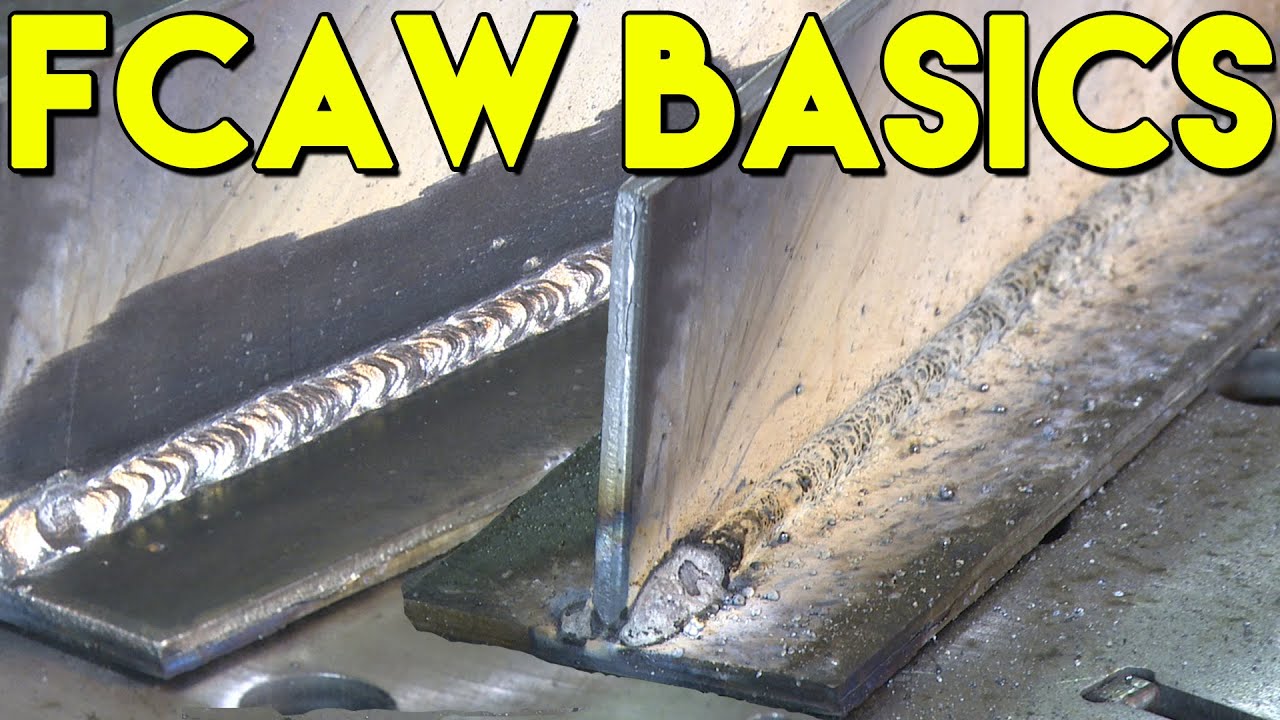
Flux core welding, often called FCAW (Flux-Cored Arc Welding), is a type of arc welding that uses a special tubular wire filled with flux. As the wire melts, the flux creates a protective shield around the weld, keeping out air and impurities. This process is similar to MIG (Metal Inert Gas) welding, but instead of using a gas tank for protection, flux core welding relies on the flux inside the wire.
You may see two types of flux core welding:
- Self-shielded: No extra gas needed. Perfect for outdoor use and windy conditions.
- Gas-shielded: Uses both flux and an external gas. This gives cleaner welds but needs a gas supply.
How Does Flux Core Welding Work?
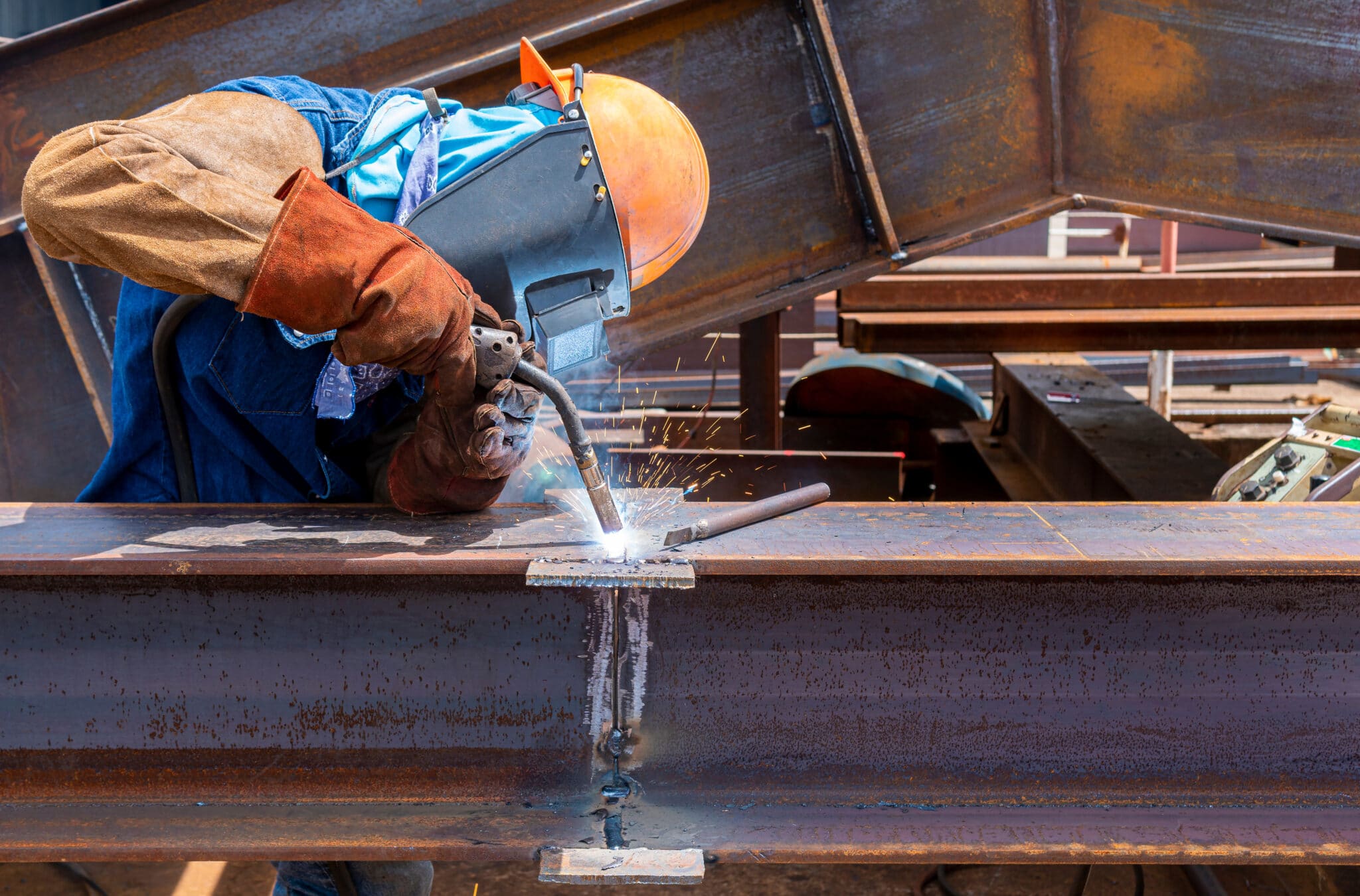
The process is straightforward. The welder feeds the flux-cored wire through a welding gun, where an electric arc melts the wire and the base metal. The flux inside the wire melts too, creating gas and slag. The gas shields the weld, while the slag covers it, protecting it as it cools.
Here’s a simple breakdown:
- Set up the machine with the right wire and power settings.
- Pull the trigger to start feeding the wire.
- Move the gun along the joint as the wire melts and fills the gap.
- Remove the slag after welding, revealing the finished joint.
A key detail many beginners miss: the polarity setting. Self-shielded wires need DCEN (Direct Current Electrode Negative), while gas-shielded wires often use DCEP (Direct Current Electrode Positive). Using the wrong polarity can cause weak welds and poor performance.
Credit: hkfabrication.com
Flux Core Welding Vs. Mig Welding
Flux core welding and MIG welding both use a wire feed, but their differences are important. The table below compares the two methods:
| Feature | Flux Core Welding | MIG Welding |
|---|---|---|
| Shielding Method | Flux in wire (sometimes extra gas) | External shielding gas |
| Outdoor Use | Excellent (wind-resistant) | Poor (gas blows away) |
| Metal Thickness | Good for thick metal | Best for thin to medium |
| Weld Appearance | More cleanup (slag) | Clean, little cleanup |
A practical insight: While MIG welding gives a neater finish, flux core welding handles dirty or painted metal better. This makes it ideal for repairs and fieldwork.
Key Advantages Of Flux Core Welding
Flux core welding stands out for several reasons:
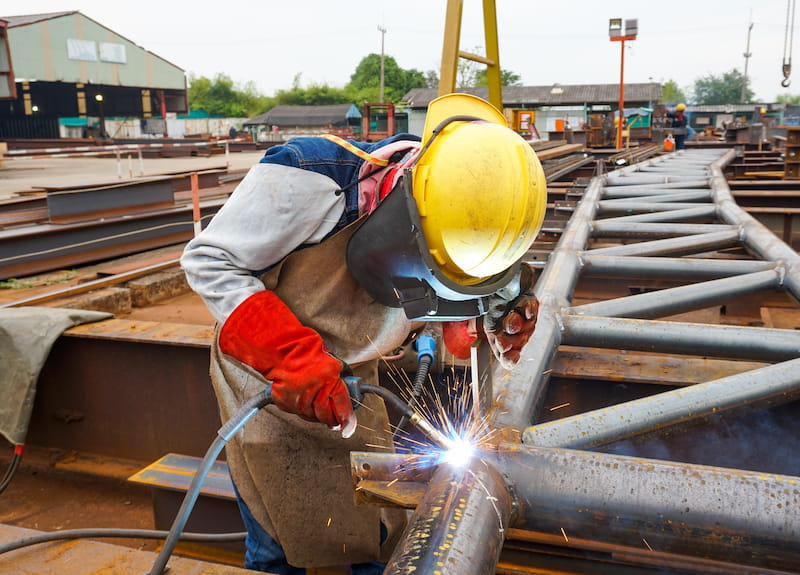
- Portability: Self-shielded wires mean you don’t need a gas cylinder. You can weld almost anywhere, even up a ladder or out in the field.
- Penetration: The process puts a lot of heat into the metal, so it can join thicker pieces in a single pass.
- Speed: Higher deposition rates let you lay down more metal, finishing jobs faster than stick or MIG welding.
- Forgiving Technique: It works on rusty, dirty, or even painted surfaces where other methods struggle.
However, some beginners overlook that flux core welding produces more fumes and requires good ventilation. Also, you must remove the slag after each pass to avoid flaws in the weld.
Credit: fractory.com
Common Uses And Applications
Flux core welding is used in many industries, especially where strength and speed matter more than appearance. Typical applications include:
- Construction sites: Structural beams, outdoor repairs
- Shipbuilding: Large, thick plates
- Automotive repairs: Frames and brackets
- Farm equipment: Tough, heavy repairs
It’s also popular for home projects, like building trailers, fences, or metal furniture.
Choosing The Right Flux Core Wire
The wire you select will impact your results. There are many types, but the main differences are:
- Diameter: Common sizes are .030″, .035″, and .045″. Thicker wires weld heavier metal.
- Type: Self-shielded (e.g., E71T-GS) or gas-shielded (e.g., E71T-1).
- Material: Mild steel is most common, but wires for stainless steel and hardfacing exist.
Welding position matters too. Some wires are “all-position,” while others work only flat or horizontal. Check the wire label or spec sheet for details.
Here’s a quick comparison of common wire sizes and their uses:
| Wire Diameter | Best For | Metal Thickness |
|---|---|---|
| .030″ | Light fabrication, auto body | Up to 1/4″ |
| .035″ | General repairs, farm work | 1/8″ to 1/2″ |
| .045″ | Heavy-duty, structural steel | Over 1/4″ |
A common mistake: Using a wire that’s too thick for your welder or metal. This can cause poor fusion and weak joints.
Credit: www.youtube.com
Safety And Practical Tips
Welding always brings risks, so follow these tips:
- Ventilation: Flux core welding makes more fumes than MIG or TIG. Always work in a well-ventilated place or use a fume extractor.
- Protective gear: Wear a helmet, gloves, long sleeves, and closed shoes. Slag and sparks can burn skin easily.
- Clean between passes: Slag must be chipped off before adding more weld, or you risk trapped inclusions and weak welds.
- Store wire properly: Moisture can ruin flux, causing porosity (holes) in your weld.
Experienced welders also recommend testing your setup on scrap metal before starting a new job. This helps adjust settings and avoid surprises.
Flux Core Welding: Limitations
While flux core welding is versatile, it’s not perfect for every situation:
- More spatter and slag: Extra cleaning is needed compared to MIG or TIG.
- Less pretty welds: Not the best for projects where appearance matters.
- Noise and smoke: Louder and smokier than other methods.
Some jobs, like thin sheet metal or stainless steel for food service, might be better with other welding types.
Frequently Asked Questions
What Metals Can Be Welded With Flux Core Welding?
Flux core welding works best on mild steel, but special wires allow welding of stainless steel and some cast iron. It’s not suitable for aluminum.
Do I Need Gas For Flux Core Welding?
Self-shielded flux core wires do not need external gas. However, dual-shield (gas-shielded) wires require a gas cylinder, usually with CO2 or a CO2/argon mix.
Can I Use A Mig Welder For Flux Core Welding?
Yes, most MIG welders can run flux core wire if you use the right roller and switch the polarity. Always check your machine’s manual.
Is Flux Core Welding Strong?
Properly done, flux core welds are very strong—sometimes stronger than the base metal. Good technique, correct wire, and clean preparation are vital.
Where Can I Learn More About Welding Safety?
For more details and official guidelines, visit the OSHA welding safety page.
Flux core welding is a practical and powerful method for joining metal, especially where conditions are tough or speed is important. By understanding its process, choosing the right wire, and following safety steps, you can achieve strong, reliable welds. With practice, you’ll discover why flux core welding is a favorite for professionals and hobbyists alike.