
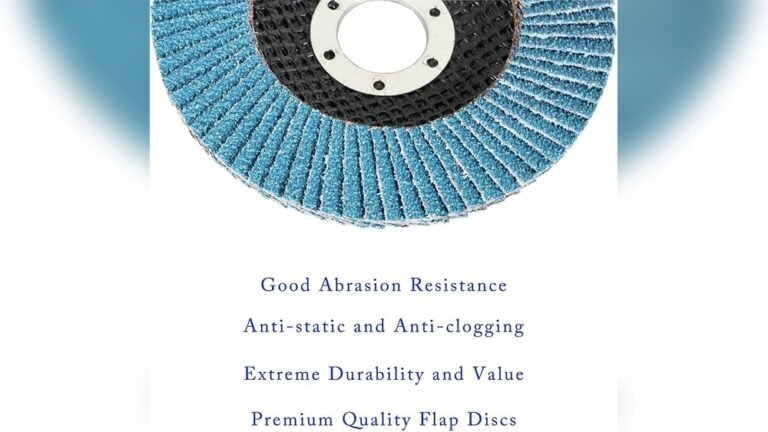
When you finish welding, your metal project rarely looks perfect. Welds often leave behind rough beads, splatter, and discoloration that need cleaning up. The right tool makes all the difference—and for many fabricators, a flap disc is the go-to choice for this job. But what grit flap disc should you choose for weld cleanup? Picking the wrong grit wastes time, damages your work, or wears out your tools. If you want clean, smooth metal without extra effort, understanding flap disc grits is essential.
Why Flap Discs Are Ideal For Weld Cleanup
Flap discs are circular tools used with angle grinders. They have overlapping layers of abrasive material (flaps) that wear away as you grind, revealing fresh grit. Compared to grinding wheels, flap discs offer more control, smoother finishes, and less heat build-up.
They combine grinding and finishing in one step, making them efficient and versatile.
Key benefits:
- Smoother finish than traditional grinding wheels
- Less aggressive removal, reducing the risk of gouging
- Faster workflow—grind and blend simultaneously
Understanding Grit Sizes
The grit size tells you how coarse or fine the abrasive particles are. Lower numbers mean coarser grits (removes material quickly), while higher numbers mean finer grits (leaves a smoother finish). For weld cleanup, the right grit depends on your goal:
- Removing heavy welds: Start with a coarse grit (lower number)
- Blending and finishing: Switch to a medium or fine grit (higher number)
Here’s a simple guide:
| Grit Size | Common Use | Surface Result |
|---|---|---|
| 36–40 | Heavy weld removal | Rough |
| 60 | General cleanup, blending | Medium-smooth |
| 80–120 | Finishing, prepping for paint | Smooth |
Choosing The Right Grit For Weld Cleanup
Most weld cleanup jobs need two or more flap disc grits to get the best result. Here’s how to decide:
1. For Removing Heavy Welds
If you have thick, raised weld beads or tough slag, start with a 36 or 40 grit flap disc. These grits are aggressive and quickly knock down large material. However, they leave a visibly rough surface and can create scratches.
- Tip: Don’t press too hard. Let the disc do the work to avoid gouging the metal.
2. For General Weld Blending
After the bulk is removed, switch to a 60 grit disc. This grit is the best all-rounder for weld cleanup. It removes remaining weld marks while starting to smooth the surface.
- Example: A 60 grit flap disc is commonly used in auto body repair and fabrication shops for blending welded seams.
3. For Final Finishing
To get a professional look, use an 80 or 120 grit flap disc. These finer grits remove scratches from previous steps and prepare the metal for painting or coating.
- Insight: Skipping the fine grit step can leave swirl marks that show through paint, even if the surface feels smooth.
| Step | Recommended Grit | Purpose |
|---|---|---|
| 1 | 36–40 | Bulk removal of weld and slag |
| 2 | 60 | Blending and smoothing |
| 3 | 80–120 | Surface finishing |
Other Factors That Affect Grit Choice
Type Of Metal
- Mild steel: Follows the standard grit steps above.
- Stainless steel: Needs finer grits (start at 40 or 60, finish with 80 or 120) to prevent discoloration and deep scratches.
- Aluminum: Use lighter pressure and finer grits (60–120), as it is softer and scratches easily.
Flap Disc Material
Some flap discs are made with special abrasives:
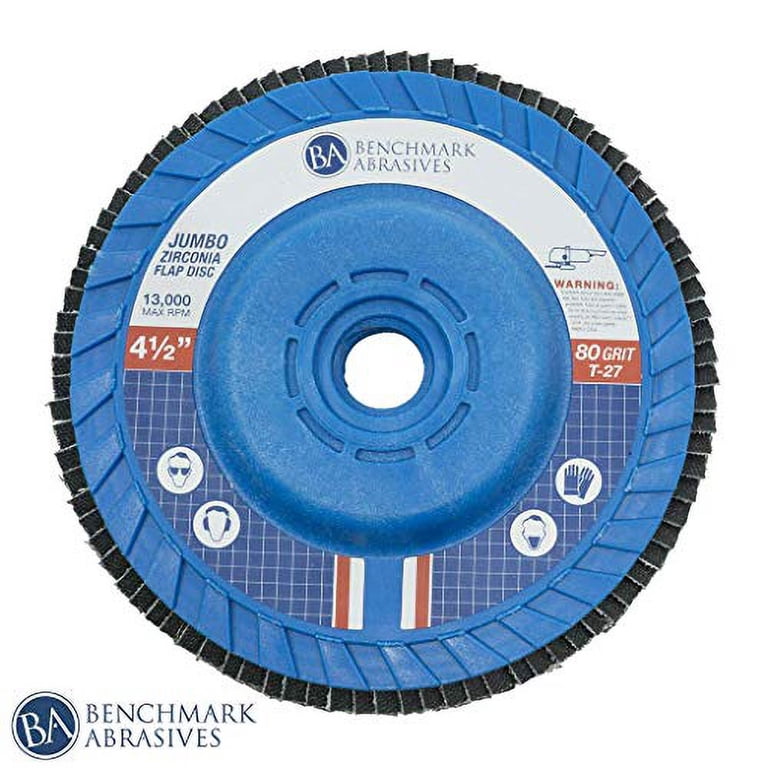
- Zirconia alumina: Good for general purpose, lasts longer on steel.
- Ceramic: Stays cool, ideal for stainless steel and heavy-duty work.
- Aluminum oxide: Affordable but wears out faster.
Disc Size And Shape
- 4.5-inch discs fit most angle grinders and are good for tight spaces.
- Flat (Type 27) discs are best for flat surfaces.
- Conical (Type 29) discs are better for aggressive, angled grinding.
Credit: ctpoa.com
Common Mistakes When Choosing Flap Disc Grit
- Using only one grit: Skipping grit steps means more time sanding or a poor finish.
- Too coarse for finishing: Coarse grits leave deep scratches that are hard to remove.
- Too fine for bulk removal: Fine grits clog up and wear out fast on heavy welds.
- Wrong disc for the metal: Using a disc not designed for your metal can cause discoloration or fast wear.
Real-world Example
Imagine you just welded a steel bracket. The weld bead is about 3 mm tall, with some splatter around it. Start with a 40 grit flap disc and gently grind down the bead until it’s nearly flush. Switch to a 60 grit to blend the weld with the surrounding metal, removing marks from the previous step.
Finish with an 80 grit disc to create a surface ready for primer or paint.
Most professionals use this three-step approach for a balance of speed and quality.

Credit: ctpoa.com
Cost And Lifespan Of Different Grits
Lower grit (coarser) discs often last longer for heavy work but wear out faster if used for fine finishing. Finer grits cost about the same but require more frequent replacement if overloaded. Here’s a quick comparison:
| Grit | Typical Price (USD) | Lifespan (on welds) |
|---|---|---|
| 36–40 | $2–$4 | Moderate (good for heavy use) |
| 60 | $2–$4 | Moderate |
| 80–120 | $2–$4 | Short (wears faster on rough welds) |
Final Thoughts
Choosing the right grit flap disc for weld cleanup is about matching the disc to your metal, weld size, and finish requirement. Most jobs need at least two grits: one to remove and one to blend. Skipping steps or using the wrong grit leads to wasted time and poor results. For reliable guidance, you can check out resources like the Lincoln Electric Weld Guide.
With the right grit selection, you’ll spend less time grinding and more time admiring your clean, professional-looking welds.

Credit: ctpoa.com
Frequently Asked Questions
What Is The Best Grit Flap Disc For Weld Cleanup?
For most weld cleanup, start with a 40 grit to remove heavy material, then switch to 60 grit for blending, and finish with 80 or 120 grit for a smooth surface.
Can I Use Only One Grit Flap Disc For Weld Cleanup?
You can, but using only one grit usually leaves either rough scratches (if coarse) or takes too long (if fine). Using two or three grits gives better results.
How Do I Know When To Switch To A Finer Grit?
Switch when the weld bead is nearly flush and the surface feels mostly smooth. If you see deep scratches, it’s time for a finer grit.
What Happens If I Use A Very Fine Grit On A Rough Weld?
A fine grit (like 120) will clog quickly and wear out. It won’t remove heavy material well and may polish over defects instead of removing them.
Are Flap Discs Better Than Grinding Wheels For Weld Cleanup?
For most small to medium welds, flap discs offer smoother finishes and better control. Grinding wheels are faster for large welds but can gouge the metal if not careful.