
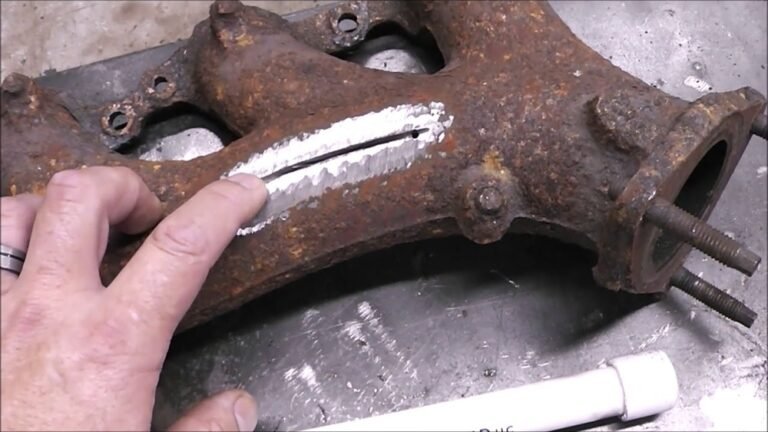
Welding cast iron is a task that many people find challenging. Cast iron is strong, but it’s also brittle. If you use the wrong welding method or don’t prepare well, the material can crack or break. Still, welding cast iron is possible, and you can do it successfully with the right approach and tools.
This guide will show you clear steps, practical tips, and important facts to help you weld cast iron safely and effectively.
Understanding Cast Iron
Cast iron is made mostly from iron and carbon. It’s used in engine blocks, pipes, old tools, and cookware. There are several types of cast iron, but the most common are gray cast iron and white cast iron.
Gray cast iron is easier to weld because it contains graphite, which helps with flexibility. White cast iron is harder and more brittle, making welding more difficult.
Here’s a simple comparison:
| Type | Main Feature | Weldability |
|---|---|---|
| Gray Cast Iron | Graphite flakes | Medium |
| White Cast Iron | Carbide structure | Low |
| Ductile Iron | Spherical graphite | High |
Knowing the type of cast iron will help you decide on the best welding method.
Preparing For Welding
Preparation is a big part of welding cast iron. Rushing can lead to cracks or weak joints.
- Clean the surface: Remove dirt, oil, paint, and rust from the area you want to weld. Use a wire brush or grinder.
- Check for damage: Inspect the piece for cracks, holes, or thin spots.
- Preheat the iron: Cast iron responds better to welding when it’s warm. Preheat it to about 500°F (260°C). This reduces stress and helps avoid cracking.
- Choose the right filler: Use a nickel-based rod or electrode. Nickel is flexible and matches cast iron properties.
Here’s a quick comparison of common filler materials:
| Filler Material | Best For | Drawback |
|---|---|---|
| Nickel Rod | General repairs | Expensive |
| Steel Rod | Low-cost fixes | Prone to cracking |
| Copper Alloy | Machining parts | Lower strength |

Credit: blog.red-d-arc.com
Welding Process
Welding cast iron is not the same as welding steel. You must control heat and work slowly.
- Tack weld: Start with small spots to hold pieces together. This reduces stress.
- Weld in short segments: Make short welds (1 inch or less) and allow the area to cool between segments.
- Hammer the weld gently: Tap the weld with a small hammer while it’s still warm. This relieves tension.
- Cool slowly: After welding, wrap the piece in sand or a blanket. Let it cool over several hours. Rapid cooling causes cracks.
There are three main methods for welding cast iron:
- Stick welding (SMAW): Most common, uses nickel rods.
- TIG welding (GTAW): Good for precision work.
- Brazing: Uses a torch and bronze filler. Less heat, but lower strength.
Stick welding is often best for repairs, while TIG is better for small, detailed parts.
Common Mistakes And How To Avoid Them
Many beginners make errors that can ruin the weld. Here are some you should watch out for:
- Skipping preheat: If you don’t preheat, the iron can crack when it cools.
- Using steel rods: Steel rods are cheaper but don’t match cast iron’s flexibility. This often leads to failure.
- Too much heat: Excessive heat can melt the iron and change its structure.
- Rushing cooling: Never cool cast iron quickly, or you risk cracks.
A non-obvious mistake is ignoring the joint design. For best results, use a V-groove or butt joint. Avoid lap joints, which don’t hold well.

Credit: www.reddit.com
Practical Tips For Success
- Practice on scrap iron: Before welding your main piece, test your skills on leftover cast iron.
- Use clamps: Secure the piece tightly to prevent movement during welding.
- Wear safety gear: Always use gloves, goggles, and a mask.
- Monitor temperature: Use a thermometer to check preheat and cooling.
- Repair vs. replace: Sometimes, a damaged cast iron part is better replaced. If cracks are large or the part is thin, welding may not be safe.
Many professionals use peening (hammering) as a stress-relief step, but beginners often skip it. This simple action can save your weld from future cracks.
When To Call A Professional
If the damage is severe, the part is rare, or you’re unsure about welding, consider contacting a professional welder. They have advanced tools and experience. Some jobs require special welding machines or controlled environments.
For more technical details, visit Wikipedia.

Credit: www.youtube.com
Frequently Asked Questions
What Is The Best Welding Rod For Cast Iron?
The best rod is a nickel-based electrode. It matches the flexibility and strength of cast iron. Steel rods are cheaper but often crack.
Can You Weld Cast Iron Without Preheating?
Welding without preheating increases the risk of cracks. Preheating to about 500°F helps prevent stress and damage.
Is It Possible To Repair Large Cracks In Cast Iron?
Large cracks can be repaired, but they require careful preparation. Deep V-grooves and slow cooling are important. Sometimes, replacement is safer.
Why Does Cast Iron Crack After Welding?
Cast iron cracks due to rapid cooling, high stress, or poor filler choice. Always preheat, use nickel rods, and cool slowly to avoid this.
Can You Use Tig Welding For Cast Iron?
Yes, TIG welding works well for thin or detailed parts. It gives more control but needs skill and proper filler.
Welding cast iron can be tricky, but with careful preparation, the right tools, and patience, you can achieve a strong, lasting repair. Remember, the key steps are cleaning, preheating, choosing the right filler, and cooling slowly. If you follow these guidelines and avoid common mistakes, you’ll be able to weld cast iron safely—even if you’re new to welding.