
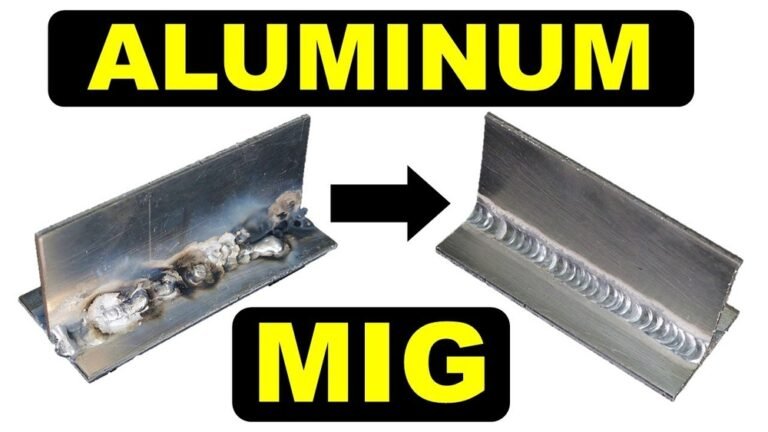
Welding aluminum is a skill that opens doors to many possibilities. From repairing car parts to building structures, aluminum is everywhere. But welding it is not the same as welding steel. It needs special care and knowledge. If you are new to welding or want to improve your skills, this guide will help you master the basics and avoid common mistakes.
Why Welding Aluminum Is Different
Aluminum is a light, strong metal, but it reacts differently than steel. Its melting point is lower—about 1220°F (660°C)—while steel melts at around 2500°F (1370°C). Aluminum also conducts heat very well, making it easy to overheat or burn through. You cannot rely on color changes to tell when aluminum is ready to weld, as it does not show visible signs before melting.
Another challenge is the thin oxide layer on aluminum’s surface. This layer melts at a much higher temperature than the metal itself, so removing it is essential before welding.
Choosing The Right Welding Method
There are several methods for welding aluminum, but not all are suitable. The most common are TIG (Gas Tungsten Arc Welding) and MIG (Gas Metal Arc Welding).
| Method | Best For | Pros | Cons |
|---|---|---|---|
| TIG Welding | Thin sheets, precise work | Clean welds, high control | Slower, requires skill |
| MIG Welding | Thicker materials, speed | Fast, easier for beginners | Less control, more spatter |
TIG welding is often preferred for thin aluminum because it offers precision. MIG welding is faster and better for thicker pieces. Stick welding is possible but not recommended for aluminum.
Preparing Aluminum For Welding
Preparation is key. Follow these steps:
- Clean the surface: Use a stainless steel brush to remove the oxide layer. Do not use a brush that has touched other metals.
- Remove oil and dirt: Wipe the area with acetone or alcohol.
- Fit pieces tightly: Make sure the parts join closely to avoid gaps.
- Preheat if needed: For thick aluminum (over 1/4 inch), preheat to 300°F–400°F. This reduces cracking.
Many beginners skip cleaning. It is the main reason for poor weld quality. Also, using the wrong filler rod or wire can cause weak joints. Aluminum filler alloys like 4043 and 5356 are common.
Setting Up Your Welding Machine
The machine setup affects your results. For aluminum, you need AC (Alternating Current) for TIG and a spool gun for MIG. Here are basic settings:
| Setting | TIG Welding | MIG Welding |
|---|---|---|
| Polarity | AC | DCEP (Direct Current Electrode Positive) |
| Shielding Gas | 100% Argon | 100% Argon |
| Wire/Filler | 4043/5356 rod | 4043/5356 wire |
If your machine is not set up correctly, the weld will look dirty or fail. Always check the settings before starting.

Credit: www.wikihow.com
Step-by-step Welding Process
Let’s break down the actual welding process:
- Wear safety gear: Use gloves, welding helmet, and protective clothing.
- Clamp the pieces: Hold aluminum tightly to avoid movement.
- Start the arc: For TIG, touch the tungsten to the metal and lift. For MIG, pull the trigger and keep the tip close.
- Move smoothly: Keep the torch or gun at a steady angle (about 10–15 degrees from vertical).
- Add filler: Feed the rod or wire into the weld pool. Do not push too hard or too fast.
- Watch the heat: Aluminum heats up quickly, so pause if needed.
- Finish and cool: Let the weld cool naturally. Do not quench with water; it can cause cracks.
Many beginners make the mistake of moving too fast or too slow. If you go too fast, the weld will be weak. Too slow, and you risk burning through.
Common Problems And How To Fix Them
Welding aluminum can bring unexpected issues. Here are some typical problems:
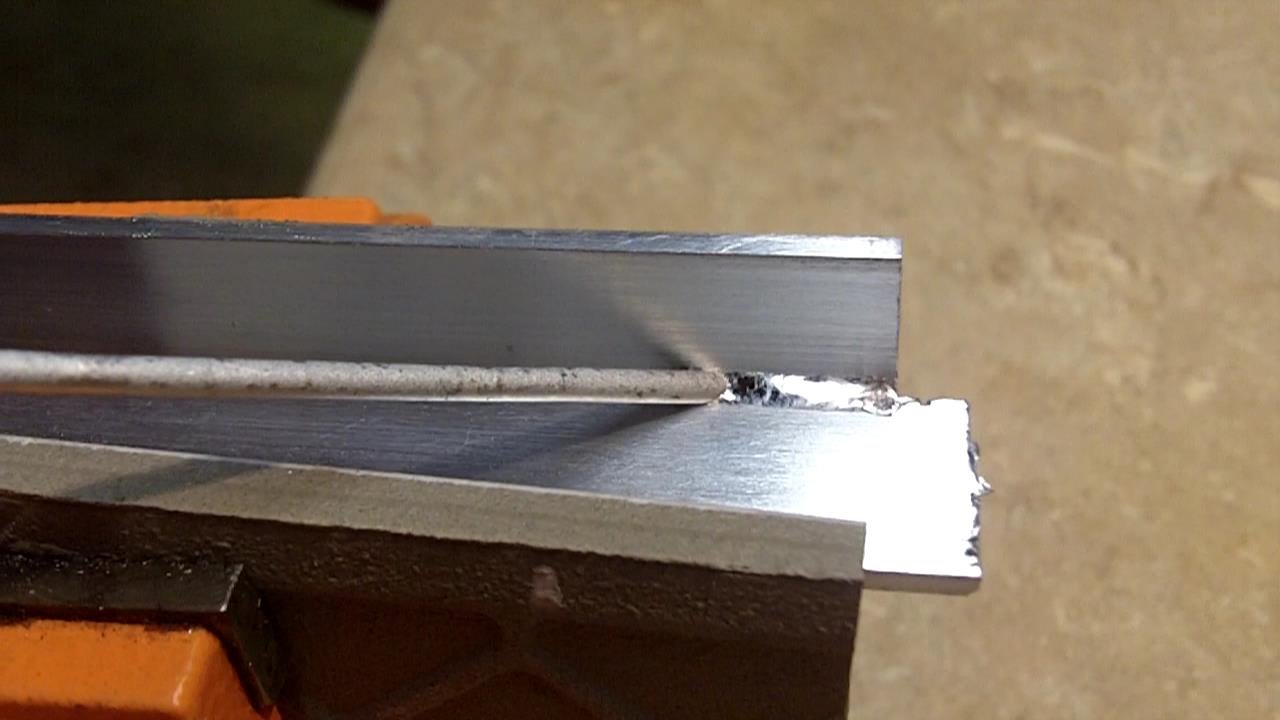
- Porosity: Small holes caused by contamination. Fix by cleaning better and using pure argon.
- Cracking: Often from incorrect filler or rapid cooling. Use preheat for thick parts and choose the right alloy.
- Burn-through: Happens when the metal overheats. Lower the amperage or move faster.
- Incomplete fusion: The weld does not penetrate. Increase heat or check machine setup.
If you see a dull, gray weld, you may have too little heat or a dirty surface. Practice on scrap pieces before working on important projects.
Credit: www.youtube.com
Safety Tips For Welding Aluminum
Aluminum welding produces ultraviolet light and fumes. Protect yourself:
- Wear a welding helmet with shade 10 or higher.
- Use ventilation or a fume extractor.
- Cover skin to prevent burns.
- Keep flammable materials away.
Do not overlook safety. Aluminum welding is less toxic than welding galvanized steel, but it still requires caution.
Frequently Asked Questions
What Is The Best Welding Method For Aluminum?
TIG welding gives clean, strong welds for thin aluminum. For thicker parts or speed, MIG welding is also good.
Why Does Aluminum Weld Crack Sometimes?
Cracks are usually caused by wrong filler alloy or fast cooling. Preheat thick materials and use the correct filler.
Can I Weld Aluminum With A Regular Mig Welder?
You need a spool gun or push-pull system for aluminum wire. Standard MIG setups can struggle to feed soft wire.
How Do I Choose The Right Filler Rod?
Check the aluminum grade. 4043 is for general use, while 5356 is for higher strength. Always match the filler to the base metal.
Is Welding Aluminum Dangerous?
It can be safe if you follow basic safety steps. Wear protection, ventilate, and avoid touching hot metal.
Welding aluminum is not difficult if you take the right steps. Practice, preparation, and understanding the material are the keys to success. For deeper details on welding alloys, visit Lincoln Electric. With these tips, you can tackle most aluminum projects with confidence.

Credit: www.homedepot.com