
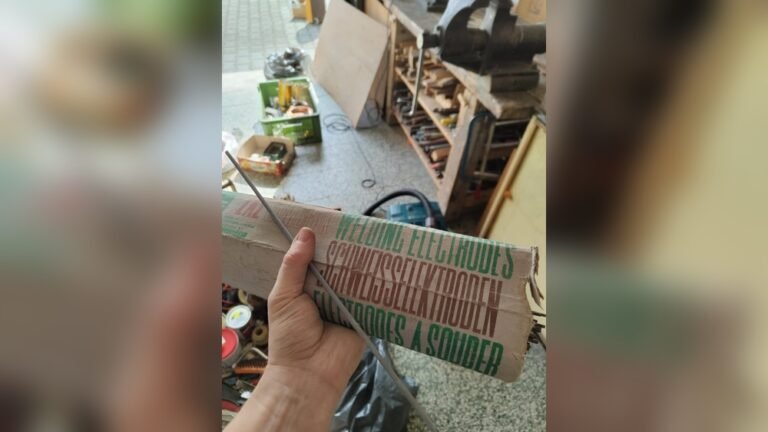
When you start a welding project, you expect your tools and materials to work perfectly. But sometimes, even the most skilled welder can run into trouble if the welding rods are not in good condition. Using bad rods can lead to weak welds, more spatter, or even total weld failure. Spotting the signs early helps you avoid wasted time, extra costs, and safety risks. Let’s dive into how you can tell if your welding rods have gone bad, what to do about it, and how to avoid using rods that could let you down.
Why Welding Rods Go Bad
Welding rods, especially those with flux coatings, are sensitive to moisture and poor storage. Moisture is the main enemy. When flux absorbs water from the air, it changes chemically and physically. This can cause problems like porosity, cracks, or unstable arcs. Besides moisture, age, heat, and even handling can damage rods.
Some rods, like E6010 or E7018, are more sensitive than others. Low-hydrogen rods (like E7018) need to be kept very dry. Letting them sit out in a humid workshop for even one night can cause trouble.
Physical Signs Your Welding Rods Are Bad
You don’t need special tools to check your rods. Here are clear signs to watch for:
1. Rust On The Rod Or Flux
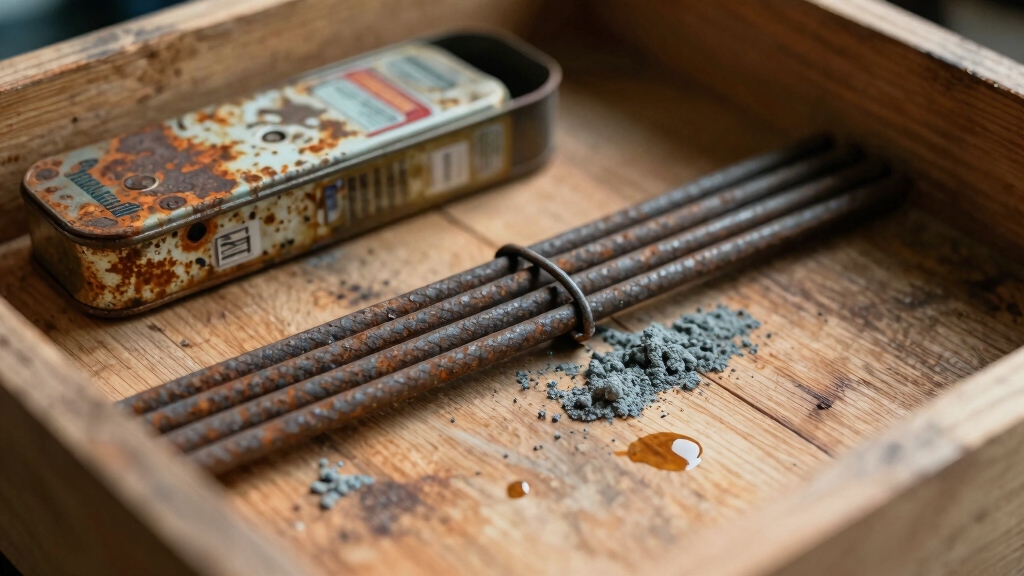
If you see brown or reddish spots, the rod has absorbed moisture. Rust weakens the rod and affects the weld quality.
2. Cracked Or Flaking Flux
The flux coating should be smooth and solid. If it’s cracked, peeling, or missing in places, the rod is compromised.
3. Soft, Powdery, Or Sticky Flux
If the flux feels soft, sticky, or like powder when you touch it, it has likely absorbed moisture. Good flux feels hard and smooth.
4. Discoloration
Unusual colors on the rod or flux, like white, green, or black patches, can mean chemical changes due to age or moisture.
5. Unusual Odors
A musty or chemical smell is a warning sign. Good rods don’t have a strong odor.
Here’s a quick comparison to help you remember:
| Good Rod | Bad Rod |
|---|---|
| Bright, even color | Rust, discoloration |
| Hard, smooth flux | Soft, powdery, or cracked flux |
| No odor | Musty or chemical smell |

Credit: framebuildersupply.com
Performance Issues During Welding
Sometimes, bad rods look fine but act up when you use them. Here are problems to watch for while welding:
- Hard to Strike an Arc
If you struggle to start the arc, the rod may be too moist or the flux too damaged.
- Unsteady Arc
A healthy rod gives a steady, controllable arc. If the arc jumps, sputters, or cuts out, the rod could be bad.
- Excess Spatter
Too much spatter is a classic sign of bad rods, especially if your technique and settings are correct.
- Porosity or Holes in Welds
Bad rods often cause tiny holes or bubbles in your weld, making it weak and unsightly.
- Slag Problems
Slag that’s hard to remove or does not cover the weld properly can mean the flux is compromised.
Consider this performance comparison:
| Issue | Good Rod | Bad Rod |
|---|---|---|
| Arc Start | Easy | Difficult |
| Arc Stability | Steady | Unstable, sputters |
| Spatter | Minimal | Excessive |
| Slag Removal | Easy | Hard, incomplete |
Non-obvious Signs Beginners Often Miss
Some problems are subtle. New welders sometimes overlook these:
- Intermittent Weld Quality
A rod might work for a few inches, then start causing trouble. This often means partial moisture damage.
- Uneven Bead Appearance
Bad rods can cause the bead to look uneven, with ripples or changes in color. Even a small change in flux can do this.
- Delayed Cracking
Sometimes, cracks appear hours or days after welding. This is often due to hydrogen from a bad rod.
How To Test Suspect Welding Rods
If you’re unsure, do a simple test:
1. Break Test
Gently bend the rod. If the flux flakes off or cracks, throw it away.
2. Mini Weld Test
Weld a scrap piece. Watch for arc issues or porosity. If problems appear, do not use the rods for important work.
3. Drying (rebaking) Test
Some rods, like E7018, can be dried in a rod oven at around 500°F for 1-2 hours. But this only works if the damage is mild. Severely damaged rods cannot be saved.
Here’s a quick guide to rebaking:
| Rod Type | Rebaking Temp | Time | Note |
|---|---|---|---|
| E7018 | 500°F | 1-2 hours | Works for mild moisture |
| E6011 | Not recommended | – | Usually not effective |
How To Store Welding Rods Properly
Prevention is better than repair. Keep rods in a sealed container or a rod oven. After opening a pack, seal unused rods in airtight bags with desiccant. Store at room temperature in a dry place. For low-hydrogen rods, a rod oven is best.
A simple mistake many beginners make is leaving rods on the workbench overnight. Even a few hours in high humidity can ruin them.

Credit: www.youtube.com
What Happens If You Use Bad Welding Rods?
Using bad rods leads to weak welds, more repairs, and even safety risks. For critical work, like pressure vessels or structural steel, this can lead to failure and accidents. Even for home projects, you waste time and materials.
If you suspect a rod is bad, replace it. The cost of new rods is nothing compared to the cost of a failed weld.
Frequently Asked Questions
How Long Do Welding Rods Last?
Most rods last 2-3 years if stored properly. Low-hydrogen rods need extra care and may last less if exposed to air.
Can You Dry Out Wet Welding Rods?
Some rods (like E7018) can be dried in a rod oven at 500°F for 1-2 hours. Severely damaged rods cannot be fully restored.
Why Does My Weld Have Holes Or Bubbles?
This is usually due to moisture in the rod or bad flux. Replace the rods and check your storage.
What’s The Best Way To Store Welding Rods?
Use a rod oven or airtight container with desiccant. Avoid leaving rods exposed to air, especially in humid areas.
Are Old Welding Rods Always Bad?
Not always. If stored dry and sealed, they can last years. Always check for physical and performance signs before use. For more on rod care, check Welding rod – Wikipedia.
Taking a few minutes to check your welding rods can save hours of trouble and ensure your welds are strong and safe. If in doubt, don’t risk it—fresh rods are always the best choice.
Credit: bindbig.com