Starting a TIG arc is a key skill in welding, but it often feels tricky for beginners. TIG (Tungsten Inert Gas) welding, also called GTAW (Gas Tungsten Arc Welding), allows precise control and produces clean welds. But unlike other methods, TIG demands attention to detail, especially when starting the arc.
If you want to master TIG welding, learning how to start a TIG arc the right way is essential. This guide explains each step simply, so you can get reliable results and avoid common mistakes.
What Is Tig Arc Starting?
TIG arc starting refers to the process of creating the electrical arc between the tungsten electrode and the workpiece. This arc melts the metal, letting you weld. There are three main ways to start a TIG arc:
- Scratch Start: Drag the tungsten lightly across the metal to ignite the arc.
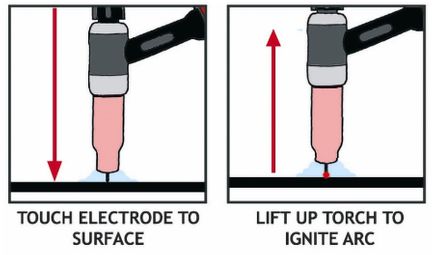
- Lift Start: Touch the tungsten to the metal, then lift it away to start the arc.
- High-Frequency Start: Use a special circuit to create an arc without touching the tungsten to the metal.
Each method has its pros and cons, and the choice depends on your equipment and the material you’re welding.
| Arc Starting Method | Touch Required | Best For | Risk of Contamination |
|---|---|---|---|
| Scratch Start | Yes | Basic TIG Machines | High |
| Lift Start | Yes | Modern TIG Machines | Low |
| High-Frequency Start | No | Professional TIG Machines | None |
Preparing To Start The Arc
Before you try to start a TIG arc, preparation matters. Good setup prevents problems like contamination, unstable arc, or damaged electrode.
Choosing The Right Tungsten
Select the correct tungsten electrode for your metal. For aluminum, use pure tungsten or zirconium. For steel, thoriated or ceriated tungsten works best. Diameter also matters—1/16″ for thin metal, 3/32″ for thicker.
Sharpening The Electrode
A sharp tungsten tip focuses the arc. Use a dedicated grinder or sander, never one shared with other metals, to avoid contamination. Grind along the length of the electrode for a fine point, not across it.
Setting Gas Flow
Set the argon gas flow between 15-20 cubic feet per hour (CFH). Too little gas causes oxidation; too much can disturb the arc.
Cleaning The Workpiece
Any oil, paint, or rust can ruin the weld. Clean the metal with a wire brush or solvent for the best results.
Credit: www.weldclass.com.au
Step-by-step: How To Start A Tig Arc
Here’s how to start a TIG arc safely and effectively.
- Turn On Your TIG Welder: Set amperage based on metal thickness. For thin steel, start at 50-70 amps.
- Check Gas Flow: Ensure argon is flowing before you start.
- Position the Torch: Hold the torch at a 15–20 degree angle from vertical. Keep the tungsten 1/8″ above the workpiece.
- Choose Arc Starting Method:
- Scratch Start: Drag the tungsten across the metal lightly, then lift it. Avoid deep scratches, which can contaminate the weld.
- Lift Start: Touch the tungsten to the metal, press the trigger or pedal, then lift it smoothly. The arc should ignite cleanly.
- High-Frequency Start: Hold the tungsten near (not touching) the workpiece. Press the trigger or pedal. The arc will jump without contact.
- Watch for Arc Stability: A good arc is narrow, bright, and steady. If it flickers or is wide, check tungsten sharpness, gas flow, and cleanliness.
- Begin Welding: Once the arc is stable, add filler metal as needed, keeping a steady hand.
| Metal Type | Tungsten Electrode | Recommended Amperage (1/16″ metal) |
|---|---|---|
| Aluminum | Pure/ Zirconium | 60-90 |
| Steel | Thoriated/ Ceriated | 50-70 |
| Stainless Steel | Ceriated | 60-80 |
Common Beginner Mistakes When Starting A Tig Arc
Even experienced welders make mistakes. Here are some pitfalls to avoid:
- Touching Tungsten to Metal: This contaminates the electrode. If this happens, stop, regrind the tungsten, and try again.
- Incorrect Gas Flow: Too much or too little argon leads to poor arc quality.
- Dirty Workpiece: Dirt or oil blocks the arc or causes weak welds.
- Wrong Electrode Angle: A steep angle causes the arc to wander; too shallow spreads the arc too wide.
- Not Using High-Frequency Start (if available): High-frequency start prevents contamination and gives cleaner welds.
| Mistake | Result | How to Fix |
|---|---|---|
| Contaminated Tungsten | Dirty weld, unstable arc | Regrind electrode |
| Wrong Gas Flow | Porous weld, wide arc | Adjust flow rate |
| Dirty Metal | Weak weld, poor arc start | Clean thoroughly |

Credit: yeswelder.com
Practical Tips For Reliable Tig Arc Starts
- Use a foot pedal for better arc control, especially on thin metals.
- Practice on scrap metal before starting your real project.
- Check connections—loose cables or clamps cause arc problems.
- Keep tungsten sharp—dull tips produce wide, unstable arcs.
- Store electrodes properly—moisture or dust can cause contamination.
One insight many beginners miss: The arc length (distance from tungsten to metal) must stay consistent. If you move the torch closer or farther, the arc changes shape and may become unstable. Another overlooked tip: Ambient air drafts can disturb the gas shield, causing the arc to flicker. Weld in a sheltered area for best results.
Why Tig Arc Starting Matters
A good TIG arc start sets the stage for the whole weld. If the arc starts cleanly, you get a narrow, focused heat zone and strong welds. Poor starts mean wasted time, contaminated electrodes, and weak welds. Many professionals use high-frequency start because it avoids touching the metal, but even with basic machines, careful technique makes a big difference.
For more technical details, you can check this Wikipedia page.

Credit: www.youtube.com
Frequently Asked Questions
How Can I Avoid Contaminating The Tungsten?
Keep the tungsten from touching the workpiece during arc starting. If contamination happens, regrind the tip before welding again.
What Gas Should I Use For Tig Arc Starting?
Pure argon is best for most metals. For some stainless steel or exotic alloys, argon-helium mixes are used, but argon alone works for beginners.
Why Does My Tig Arc Flicker Or Die Out?
Check for proper gas flow, clean tungsten, and clean workpiece. Air drafts or loose connections can also cause arc instability.
Can I Use Scratch Start With Any Tig Welder?
Scratch start works with basic TIG welders, but may contaminate the tungsten. If your welder supports lift or high-frequency start, use those for cleaner results.
Is Tig Arc Starting Safe?
Yes, if you wear proper safety gear—gloves, helmet, and long sleeves—and keep your workspace free from flammable materials. Never weld in wet or damp areas.
Mastering TIG arc starting takes practice, patience, and attention to detail. By following these steps, preparing well, and avoiding common mistakes, you’ll achieve clean welds and improve your skills quickly.