
Welding galvanized steel is common in construction, automotive repair, and DIY projects. But is it safe? Many people worry about the risks, especially toxic fumes. Understanding the right way to weld galvanized steel can help you work confidently and protect your health.
This guide explains the process, risks, and smart practices for safe welding.
What Is Galvanized Steel?
Galvanized steel is regular steel coated with a thin layer of zinc. This coating protects the metal from rust and corrosion. You see galvanized steel in fences, car frames, ducts, and outdoor structures. The shiny or dull gray surface comes from zinc, which bonds to the steel during a process called hot-dip galvanizing.
Why use galvanized steel? It lasts longer outdoors and in wet conditions. But this zinc layer creates special challenges when welding.
Dangers Of Welding Galvanized Steel
Welding galvanized steel is more dangerous than welding plain steel. The main risk comes from zinc fumes. When heated, zinc turns into a gas. Breathing these fumes can cause a condition called metal fume fever.
Symptoms include:
- Headache
- Fever and chills
- Nausea
- Weakness
- Metallic taste in the mouth
These usually start a few hours after welding. Most people recover within 24–48 hours, but repeated exposure can lead to more serious problems. In rare cases, zinc fume exposure can damage the lungs.
Besides health risks, zinc coatings can cause porosity in welds. This means bubbles or holes form in the weld, making it weak and unreliable.
Safe Welding Practices
Can you weld galvanized steel safely? Yes, but you need extra precautions. Here’s how to reduce risks:
- Remove the zinc coating: Use a grinder or file to clean the area before welding. Remove at least 1–2 inches around the joint. This step prevents most toxic fumes and improves weld quality.
- Work in a well-ventilated area: Always weld outside or in a shop with strong fans and exhaust systems. Never weld galvanized steel in a closed space without ventilation.
- Wear proper PPE (Personal Protective Equipment):
- Use a welding respirator rated for metal fumes.
- Wear gloves, long sleeves, and a welding helmet.
- Never trust a simple dust mask; it does not protect against zinc fumes.
- Use the right welding method:
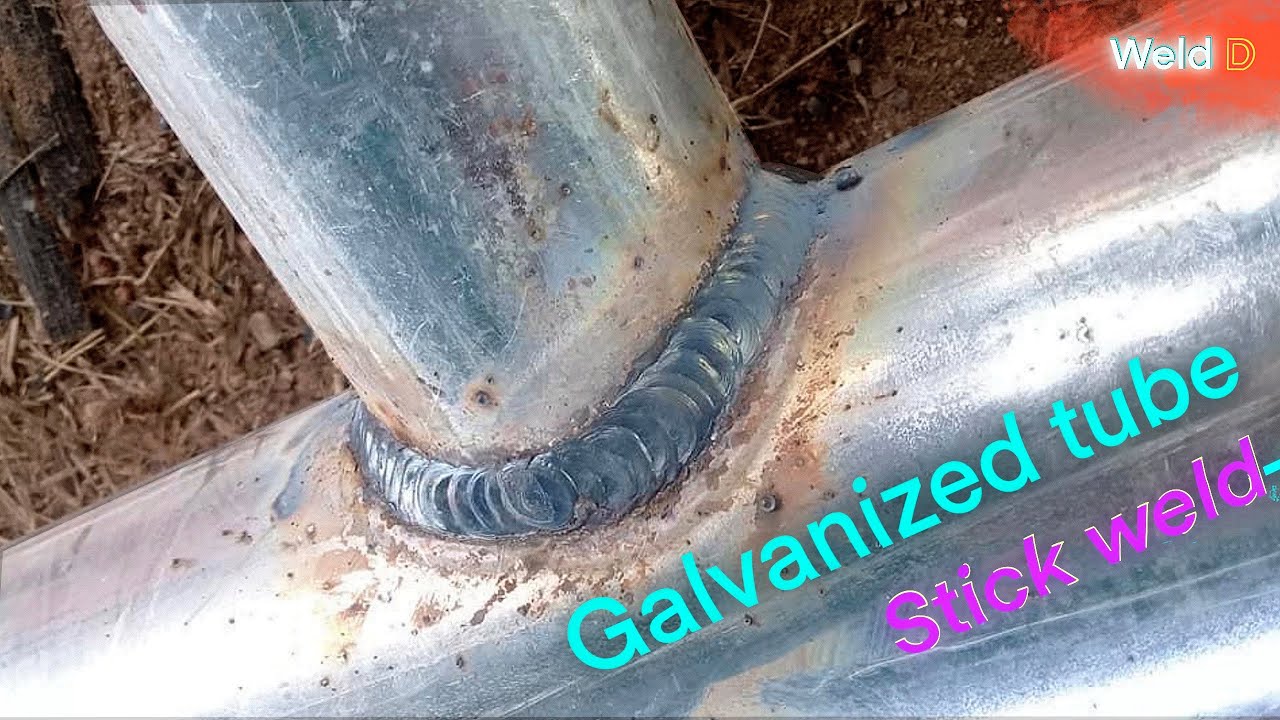
- MIG welding and stick welding are common for galvanized steel.
- Use settings made for thicker metal, as the weld area will be less clean than bare steel.
- TIG welding also works, but needs very clean metal.
- Clean up after welding: Remove any remaining zinc near the weld. Wash your skin and change clothes after welding to avoid carrying zinc dust.
- Let others know: Warn others nearby about the risk of fumes.
Comparison: Galvanized Steel Vs. Plain Steel Welding
Here’s a quick look at key differences:
| Factor | Galvanized Steel | Plain Steel |
|---|---|---|
| Coating | Zinc (protective layer) | None |
| Fume Risk | High (toxic zinc fumes) | Low (iron oxide only) |
| Weld Quality | Porosity risk | Consistent |
| Preparation Needed | Must remove zinc | Minimal cleaning |
Step-by-step: How To Weld Galvanized Steel Safely
- Mark the weld area and use a grinder to remove the zinc coating.
- Set up strong ventilation (open doors, use fans, or fume extractors).
- Put on your respirator, gloves, and helmet.
- Weld using proper settings. Move steadily to avoid overheating.
- Clean the finished weld. Remove any spatter or leftover zinc.
- Wash up to remove zinc dust from your skin and clothes.
A small but important tip: If you smell a sweet, metallic odor, you are breathing zinc fumes. Stop immediately and improve ventilation.

Credit: southatlanticllc.com
Welding Quality And Strength
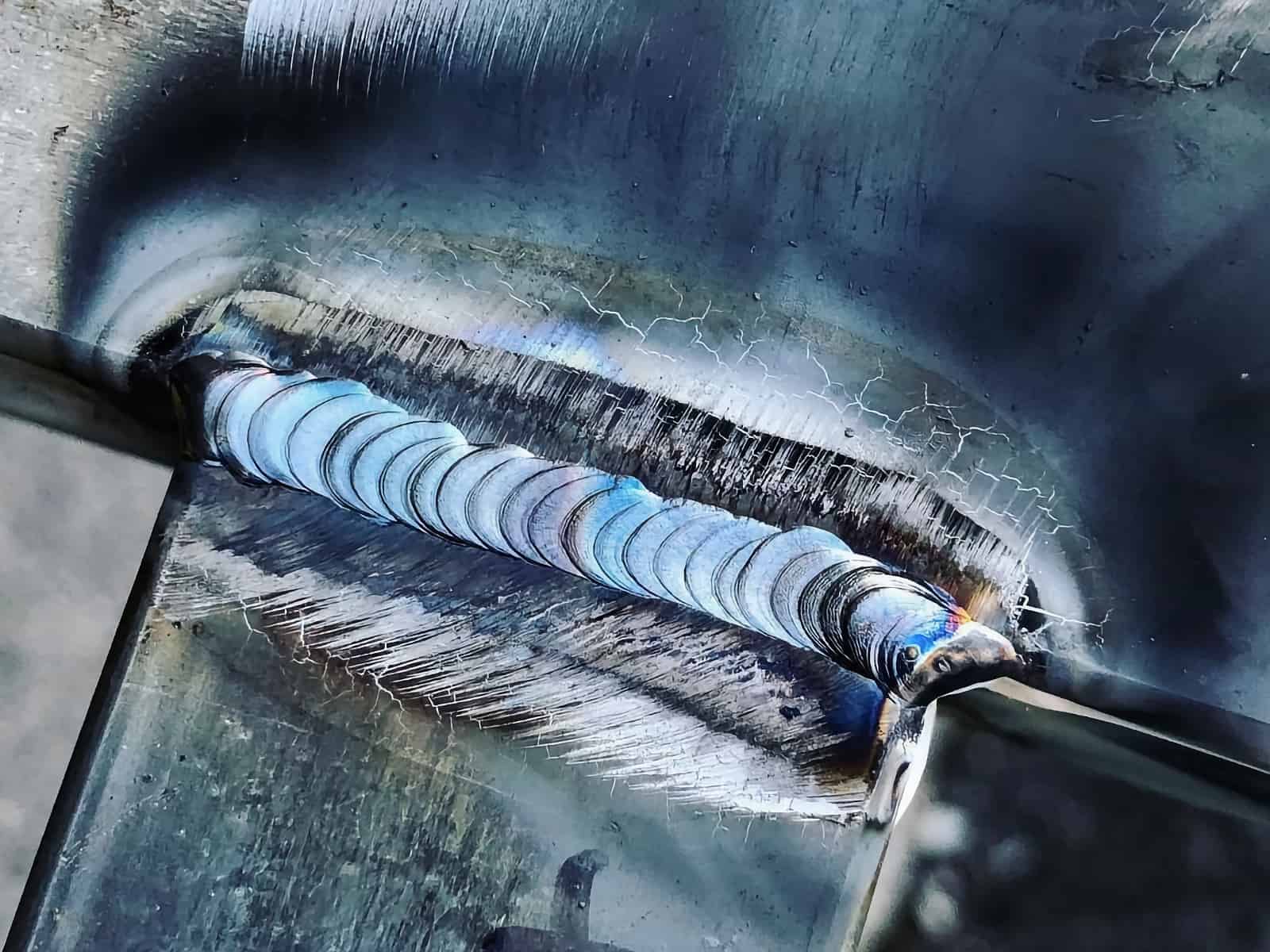
Welds on galvanized steel are often less smooth than on bare steel. The zinc can cause spatter and tiny holes. To improve results:
- Use slower travel speed and slightly higher voltage.
- Make smaller weld beads.
- Add a second pass if needed.
If you need a strong, clean weld for a critical part, consider removing all zinc before welding. Recoat the area with zinc-rich paint or spray after welding to restore rust protection.
Typical Weld Quality Differences
| Aspect | Weld on Galvanized Steel | Weld on Bare Steel |
|---|---|---|
| Porosity | Common (if not cleaned) | Rare |
| Appearance | Rough, spattered | Smoother |
| Strength | Lower if zinc remains | Consistent |
Environmental And Legal Considerations
Welding fumes are not just a health hazard—they can also break safety laws. In many workplaces, the OSHA (Occupational Safety and Health Administration) sets limits for zinc fume exposure. Always check your local rules, especially if you weld as part of your job.
Many cities require fume extraction systems in workshops. Violating these rules can lead to fines or work stoppages.
Credit: www.youtube.com
Common Mistakes When Welding Galvanized Steel
Even experienced welders make mistakes with galvanized steel. Here are some errors to avoid:
- Skipping surface cleaning, leading to dangerous fumes and weak welds
- Relying on a dust mask instead of a proper respirator
- Welding indoors without fans or open windows
- Not washing hands and clothes after welding
- Ignoring symptoms of metal fume fever
A less obvious mistake is failing to restore the zinc layer after welding. Bare steel at the weld is likely to rust quickly.
When Should You Avoid Welding Galvanized Steel?
If you can, choose mechanical fasteners (bolts, screws) or cut and re-shape metal instead of welding. For large jobs, or if you must weld in a tight space, consider hiring a pro with the right gear and experience.
Sometimes, using bare steel and galvanizing it after fabrication is safer and leads to better results.
Credit: weldguru.com
Frequently Asked Questions
Is Welding Galvanized Steel Always Dangerous?
No, but it is more risky than welding plain steel. The main danger is inhaling zinc fumes. With good ventilation, PPE, and cleaning, you can reduce most risks.
What Happens If You Weld Galvanized Steel Without Removing The Zinc?
Zinc fumes will form, and you may get metal fume fever. The weld will also be weak and full of holes. Always remove zinc before welding.
Can You Weld Galvanized Steel With A Mig Welder?
Yes, but use a respirator and clean the weld area first. MIG welding works well if you remove the zinc and use proper settings.
How Do You Restore Rust Protection After Welding?
Use a zinc-rich spray paint or cold galvanizing compound on the weld area. This helps prevent rust where the original zinc was removed.