
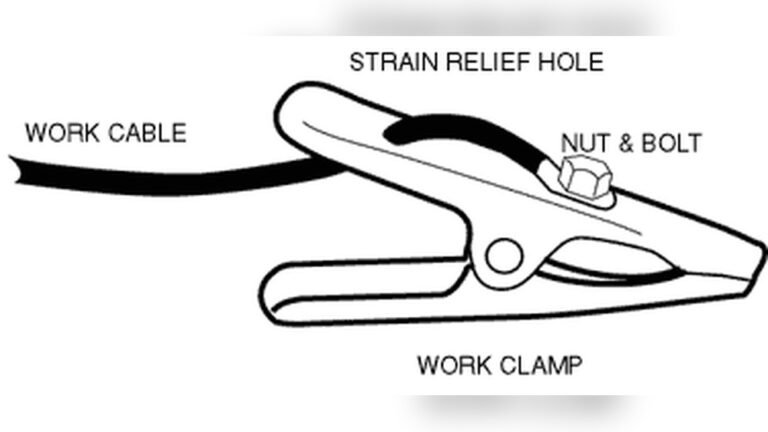
A welding ground clamp is a small but vital piece of equipment. It might seem simple, but its role is crucial for safe and effective welding. Without a proper ground connection, your welding machine cannot complete the electrical circuit. This means no arc, no weld, and potentially dangerous situations. Understanding its importance can significantly improve your welding results and keep you safe on the job.
The Essential Role Of A Ground Clamp In Welding
When you weld, you are essentially creating an electrical arc between your welding electrode and the metal you are joining. This arc generates intense heat, melting the metal to form a strong bond. For this electrical arc to form and sustain, a complete circuit is necessary. The welding machine provides power, the electrode carries one side of the circuit to the workpiece, and the ground clamp provides the other side of the circuit.
The clamp attaches securely to the workpiece or a nearby metal surface. It then connects to the welding machine via a heavy-duty cable, known as the ground cable. This connection allows electricity to flow from the power source, through the clamp, into the metal, and back to the welding machine.
If this connection is weak, dirty, or absent, the circuit is broken, and welding cannot occur.
Why A Good Ground Connection Matters
A secure and clean ground connection ensures a stable welding arc. This stability is key to producing high-quality welds. A poor connection can lead to several problems that affect both the weld quality and safety.
Arc Stability And Weld Quality
The ground clamp directly influences the arc’s stability. A solid connection means consistent electricity flow, resulting in a smooth, predictable arc. This allows for better control over the molten pool and easier penetration into the base metal.
When the ground connection is poor, the arc can become erratic and unstable. This instability makes it difficult to control the weld puddle, leading to issues like:
- Porosity: Small holes or voids within the weld metal. This happens when gases are trapped in the cooling metal.
- Incomplete Fusion: The weld metal doesn’t properly bond with the base metal. This creates a weak joint.
- Spatter: Small droplets of molten metal that fly away from the weld. Excessive spatter not only wastes material but also indicates an unstable arc.
- Undercut: A groove melted into the base metal next to the weld toe. This reduces the strength of the joint.
These defects can compromise the structural integrity of the welded joint, making it prone to failure. Therefore, a good ground clamp is fundamental for achieving strong, clean welds.
Safety First: Preventing Electrical Hazards
Safety is paramount in any welding operation, and the ground clamp plays a significant role in preventing electrical hazards. Welding machines operate at high amperages, and a faulty ground connection can lead to dangerous situations.
If the ground clamp is loose or not properly attached, electricity can seek alternative paths to return to the welding machine. This can include traveling through the welder’s body if they are in contact with conductive materials. This can cause severe electrical shock.
A properly functioning ground clamp ensures that the electricity follows the intended path through the ground cable. It also helps to prevent stray voltage from appearing on the workpiece or surrounding metal structures. This reduces the risk of accidental shocks for anyone working in the vicinity.
Credit: dimide.com
Types Of Ground Clamps
There are several types of ground clamps available, each suited for different applications and preferences. The choice often depends on the type of welding, the materials being worked with, and the environment.
Magnetic Ground Clamps
These clamps use strong magnets to attach themselves to the workpiece or a nearby ferrous metal surface. They offer quick and easy attachment, especially on flat, steel surfaces.
- Pros: Fast to attach and remove, good for steel.
- Cons: Only work on ferrous metals, magnets can pick up debris which can weaken the connection.
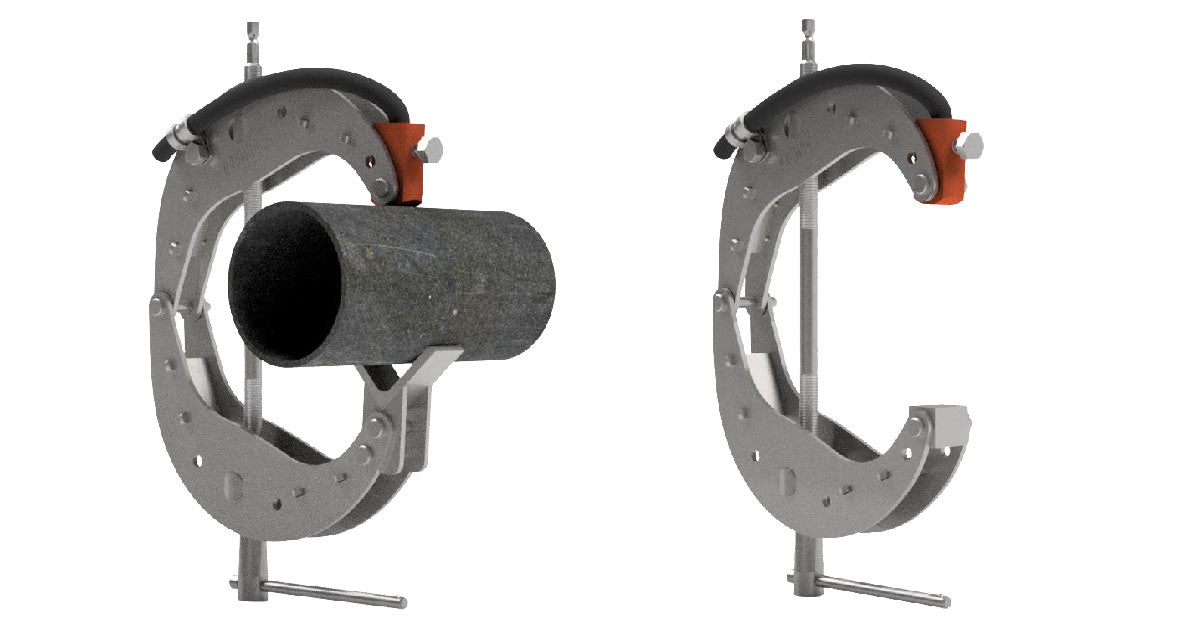
C-clamps
These are traditional clamps that physically grip the workpiece or a metal surface. They provide a strong mechanical connection.
- Pros: Versatile, can grip various shapes and materials, provides a secure mechanical grip.
- Cons: Can be slower to attach, may require cleaning the surface for optimal contact.
Miller Style Or “dolphin” Clamps
These are spring-loaded clamps designed for a strong, reliable connection. They often have copper jaws for excellent conductivity.
- Pros: Excellent conductivity, strong spring tension ensures a secure grip, durable.
- Cons: Can be more expensive than basic C-clamps.
Dinse Style Plugs
While not a clamp itself, Dinse plugs are often used to connect ground cables to the welding machine. The clamp then attaches to the end of the cable. These offer a quick-disconnect feature.
Best Practices For Using A Ground Clamp
To ensure optimal performance and safety, follow these best practices when using a welding ground clamp.
- Cleanliness is Key: Always attach the ground clamp to a clean metal surface. Remove any rust, paint, grease, or other contaminants. These act as insulators and will impede electrical flow, leading to a weak connection. A wire brush is an excellent tool for this.
- Secure Attachment: Ensure the clamp is firmly attached. A loose clamp will cause an unstable arc and can easily fall off. For C-clamps, tighten them sufficiently. For magnetic clamps, ensure they have a strong hold.
- Proper Placement: Position the ground clamp as close to the weld area as possible. This minimizes the length of the conductor through which the current must travel, reducing electrical resistance and voltage drop. A shorter path means a more efficient circuit.
- Cable Condition: Regularly inspect the ground cable for any damage, such as cuts, abrasions, or worn insulation. A damaged cable can be a safety hazard and can also lead to poor electrical conductivity. Replace damaged cables immediately.
- Appropriate Size: Use a ground clamp and cable that are appropriately sized for the welding machine’s amperage. An undersized cable can overheat and fail.
The Impact Of Surface Contamination
Surface contamination is one of the most common reasons for poor ground connections. Think of rust, paint, or even a thin layer of oil as tiny barriers to electricity. Even if the clamp looks like it’s making contact, these contaminants can prevent a significant portion of the current from flowing.
In my experience, I’ve seen welders struggle with unstable arcs and poor penetration simply because they overlooked cleaning the grounding point. A quick wipe with a wire brush or a flap disc can make a world of difference.
.jpg)
Credit: www.mikeholt.com
Ground Clamp Vs. Work Clamp
It’s important to distinguish between a ground clamp and a work clamp. While they serve a similar purpose of establishing an electrical connection, their application differs slightly depending on the welding process.
In most SMAW (Stick Welding) and GMAW (MIG Welding), the terms “ground clamp” and “work clamp” are often used interchangeably. They both refer to the clamp that connects the welding machine’s negative terminal (for DC welding) or the machine’s chassis (for AC welding) to the workpiece. This connection completes the welding circuit.
However, in some specialized processes like TIG welding (GTAW), the term “work lead” is more common, and the clamp attached to the workpiece is called the “work clamp.” The primary function remains the same: to ensure a complete and efficient electrical circuit. The key is that the clamp must be attached to the workpiece to allow current to flow through it for welding.
Common Mistakes To Avoid
Several common mistakes can hinder the effectiveness of your ground clamp. Being aware of these can save you time, frustration, and potential safety risks.
Mistake 1: Assuming Any Metal Surface Will Do
Not all metal surfaces are suitable for grounding. The surface must be electrically conductive. This means avoiding painted surfaces, heavily rusted areas, or non-conductive materials like plastic or rubber.
Mistake 2: Not Using The Right Size Cable
Using a ground cable that is too thin for the welding machine’s output can cause it to overheat. This is a fire hazard and will reduce the efficiency of the welding current. Always match the cable size to the amperage rating of your welder.