
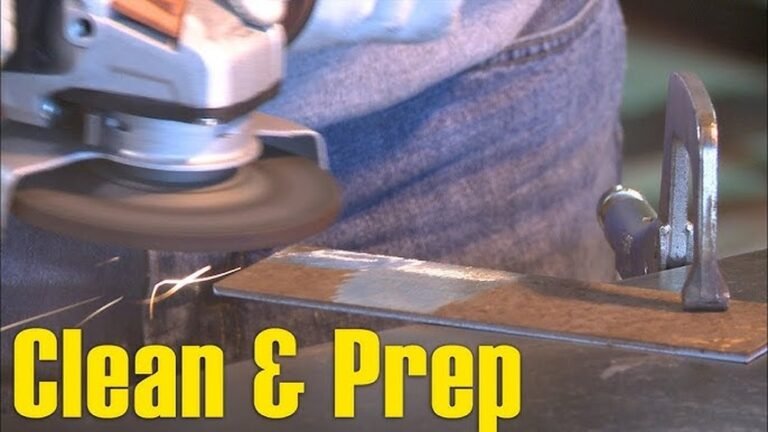
Cleaning metal before welding is a step many beginners rush through or skip. However, this simple process makes a big difference in the final weld quality. Even small amounts of oil, rust, or paint can cause weak joints, more spatter, or ugly welds.
If you want strong, smooth welds that last, cleaning your metal properly is non-negotiable.
Let’s explore the best ways to clean metal before welding, compare different tools and methods, and share practical advice that helps both hobbyists and professionals get better results.
Why Cleaning Metal Before Welding Matters
Welding joins metals by melting their surfaces together. Any dirt or coating on the metal can cause big problems:
- Porosity: Tiny holes form in the weld, making it weak.
- Cracking: Impurities can make the weld crack under stress.
- Poor Fusion: The weld may not stick well to the base metal.
- Excess Spatter: Dirty metal causes more sparks and mess.
A clean surface lets the weld bond smoothly, giving a stronger joint and a neater look.
Common Contaminants On Metal
Before you start, it’s helpful to know what you’re up against. The main contaminants that hurt welds are:
- Rust and scale: Iron oxide layers from exposure to air or moisture.
- Oil and grease: Often left from manufacturing or handling.
- Paint and coatings: Protective layers or old paint jobs.
- Dirt and dust: General debris from storage or the worksite.
- Marker ink or adhesives: Used for labeling or masking.
Not all contaminants are obvious. Even a shiny piece of steel may have oil from your hands or a thin layer of rust.
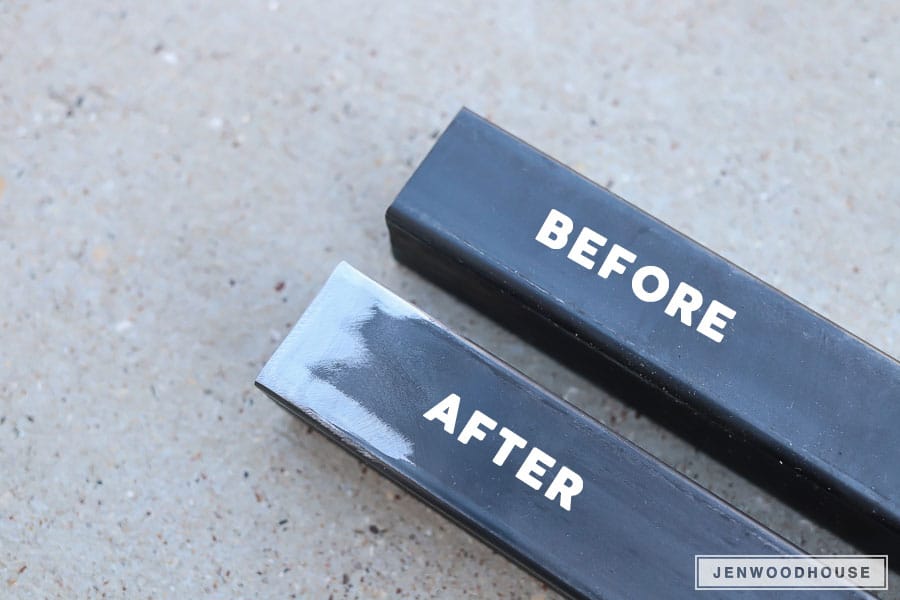
Credit: jenwoodhouse.com
Best Tools And Methods For Cleaning Metal
The best way to clean metal depends on the type of contaminant. Here’s a breakdown of the most effective methods and where they work best.
| Method | Best For | Drawbacks |
|---|---|---|
| Wire Brush | Light rust, dirt | May miss deep rust or oil |
| Grinder/Flap Disc | Heavy rust, scale, paint | Can remove too much metal |
| Solvent (Acetone) | Oil, grease, adhesives | Doesn’t remove rust or paint |
| Sandpaper | Light rust, paint, small areas | Slow for large jobs |
| Pickling Paste | Stainless steel oxides | Toxic, needs care |
Wire Brushing
A wire brush is a basic tool for cleaning. Manual wire brushes are cheap and handy for small jobs. For larger areas, use a wire wheel on a grinder or drill. This removes loose rust, dirt, and some paint.
Pro tip: Always brush in one direction, not back and forth. This helps lift off more debris.
Grinding And Flap Discs
For heavy rust or thick paint, use an angle grinder with a flap disc or grinding wheel. This quickly exposes clean metal, but be careful not to dig into the metal too much. Always wear safety goggles and gloves.
Solvents For Oil And Grease
Acetone or denatured alcohol is excellent for removing oil, grease, or adhesive residue. Dampen a clean cloth and wipe the surface. Wait for it to dry before welding. Avoid using gasoline—it’s dangerous and leaves residue.
Sandpaper And Abrasive Pads
For small spots or tricky corners, sandpaper or abrasive pads work well. Start with a medium grit (around 80) to remove surface rust or paint, then finish with a finer grit for a smooth surface.
Pickling Paste For Stainless Steel
Stainless steel forms a tough oxide layer. Pickling paste is a chemical cleaner that removes this oxide, but it’s toxic and must be handled with care. Always follow safety instructions and wear protective gear.
Step-by-step: Cleaning Metal Before Welding
Follow these practical steps for best results:
- Inspect the metal: Check for rust, oil, paint, or dirt. Decide which cleaning methods you need.
- Remove loose debris: Use a dry cloth or compressed air to blow off dust and dirt.
- Wire brushing or grinding: Remove rust, scale, and paint with a wire brush or grinder.
- Clean with solvent: Use acetone or alcohol to wipe away oil or grease.
- Final check: Make sure the metal is shiny and clean. Touch with a clean glove or paper towel—if it picks up dirt, repeat the cleaning.
| Contaminant | Recommended Tool | Extra Tips |
|---|---|---|
| Light rust | Wire brush, sandpaper | Brush in one direction |
| Heavy rust/scale | Grinder, flap disc | Use light pressure |
| Oil/grease | Acetone wipe | Let fully dry before welding |
| Paint | Grinder, sandpaper | Remove at least 1 inch from weld area |

Credit: www.youtube.com
Common Mistakes And How To Avoid Them
Many new welders make the same cleaning mistakes:
- Not removing enough paint: Always strip paint at least one inch from the weld line.
- Skipping the solvent wipe: Even if the metal looks clean, always wipe with acetone. Invisible oils can ruin a weld.
- Using the wrong tool: Wire brushes are not enough for heavy rust or thick paint.
- Re-contaminating the surface: Handle clean metal with gloves, not bare hands.
A small investment in prep saves hours of frustration later.
Special Tips For Different Metals
Not all metals react the same way to cleaning:
- Aluminum: Quickly forms an oxide layer. Clean with a dedicated stainless-steel brush and wipe with acetone just before welding.
- Stainless steel: Needs a clean, oxide-free surface. Never use carbon-steel brushes or discs, as they cause contamination.
- Galvanized steel: Remove all zinc coating in the weld area. Welding zinc produces toxic fumes—work in a well-ventilated space.
How Clean Is “clean Enough”?
A good test: the metal should be shiny, with no visible rust, paint, or oil. If you wipe it with a clean paper towel and see no marks, you’re ready to weld.
Frequently Asked Questions
What Happens If I Weld Dirty Metal?
Welding dirty metal leads to weak welds, porosity, cracks, and poor appearance. You may need to redo the work, costing time and money.
Can I Use Water To Clean Metal Before Welding?
Water can remove dust but leaves moisture, which causes rust. It’s better to use a dry cloth, compressed air, or a solvent like acetone.
Is A Wire Brush Enough For All Cleaning?
No. Wire brushes remove loose dirt and light rust but can’t handle heavy rust, thick paint, or oil. Use grinders and solvents as needed.
How Do I Clean Aluminum Before Welding?
Use a dedicated stainless-steel brush for aluminum and wipe with acetone. Clean just before welding, as aluminum forms oxide quickly.
Can I Weld Through Paint?
It’s not recommended. Paint causes porosity and weak joints. Always clean at least one inch beyond the weld area for best results.
Strong welds start with good preparation. Taking the time to clean your metal properly not only improves the look of your welds, but also their strength and reliability. For more details on welding safety and cleaning, visit the Welding Wikipedia page. With the right cleaning steps, your welding projects will last longer and perform better, every time.

Credit: yeswelder.com