
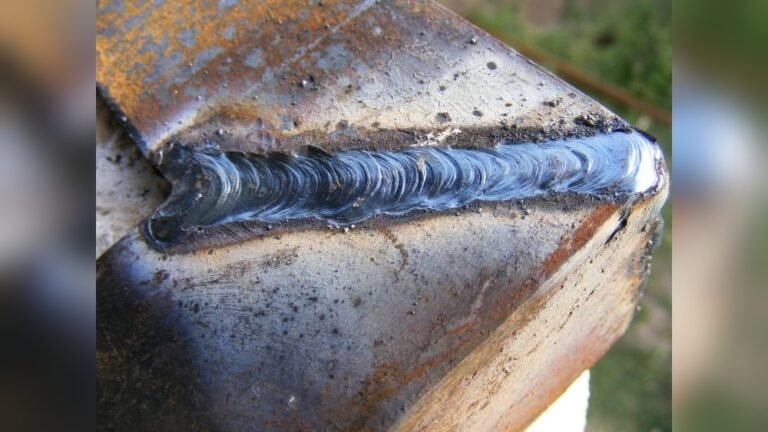
Weld spatter is a common frustration for anyone working with metal fabrication. These tiny balls of molten metal land around the weld and quickly harden, sticking to surfaces where you don’t want them. Removing spatter is important for a clean finish, but most people reach for a grinder, which can damage the base material or take too much time. The good news? There are reliable ways to remove weld spatter without grinding, keeping your surface smooth and your project professional. Let’s explore practical solutions, mistakes to avoid, and smart techniques for a cleaner weld.
Why Avoid Grinding Weld Spatter?
Grinding is effective but often overkill for spatter removal. When you grind, you risk scarring the base metal, removing more material than needed, and even weakening the weld zone. For painted or finished surfaces, grinding can ruin the look and increase prep work later. By learning alternative methods, you protect the metal’s integrity and save time on post-weld treatments.
Methods To Remove Weld Spatter Without Grinding
Several methods work well to remove spatter without resorting to a grinder. Each has strengths and works best in different situations.
1. Using Chipping Hammers Or Scrapers
A chipping hammer is a classic tool for breaking off hard spatter. Its pointed tip helps you chip away at stuck particles without scratching the surrounding metal if you use a gentle touch.
Tips for best results:
- Wait until the spatter cools before chipping.
- Use a stainless steel scraper for light spatter to avoid gouges.
- For painted surfaces, use a plastic scraper.
2. Chemical Weld Spatter Removers
Chemical removers, often called spatter release sprays, are designed to dissolve or loosen spatter. Apply the spray, wait for the recommended time, and then wipe or brush off the spatter.
Advantages:
- No damage to base metal.
- Works well for large areas or thin sheet metal.
Example: Many professionals use silicone-based sprays for easy cleanup.
3. Wire Brushes
A stiff wire brush can remove light or soft spatter, especially right after welding while the metal is still warm.
Manual vs. Power Brushes:
| Type | Best Use | Risk of Damage |
|---|---|---|
| Manual wire brush | Light spatter, delicate surfaces | Low |
| Power wire brush | Heavy, stuck spatter | Moderate |
4. Peening With A Ball Peen Hammer
Peening involves lightly tapping the surface with a ball peen hammer. This causes stubborn spatter to crack and fall off, especially on thick steel. It’s slower but very precise.
5. Specialized Removal Tools
Some companies make spatter removal tools with unique heads designed to break off spatter without harming the weld bead or base metal. These are useful for high-volume shops or if you need a flawless finish.
How To Prevent Weld Spatter In The First Place
Removing spatter is easier if you avoid it during welding. Prevention saves time and keeps surfaces cleaner.
Apply Anti-spatter Spray Or Gel
Coat the metal around your weld with an anti-spatter spray before starting. This creates a barrier that stops molten drops from sticking.
Adjust Welding Parameters
Spatter is often a sign of incorrect settings. Adjust:
- Voltage: Too low increases spatter.
- Wire feed speed: Too high or too low causes more droplets.
- Shielding gas: Use the correct mixture for your process.
A well-tuned welder always produces less spatter.
Use Clean Materials
Dirty or rusty metal produces more spatter. Always clean with a brush or solvent before welding.
Real-world Example: Chemical Vs. Manual Removal
Consider a shop welding stainless steel panels for food equipment. Grinding would ruin the finish. They use a silicone-based chemical remover, let it sit for 2 minutes, then wipe spatter away with a cloth. For thicker spots, a plastic scraper finishes the job.
This method preserves the smooth, shiny look that grinding would destroy.
In comparison, a car repair garage often deals with minor spatter on painted panels. They use a manual wire brush and plastic scraper, which takes a little longer but keeps the paint safe.
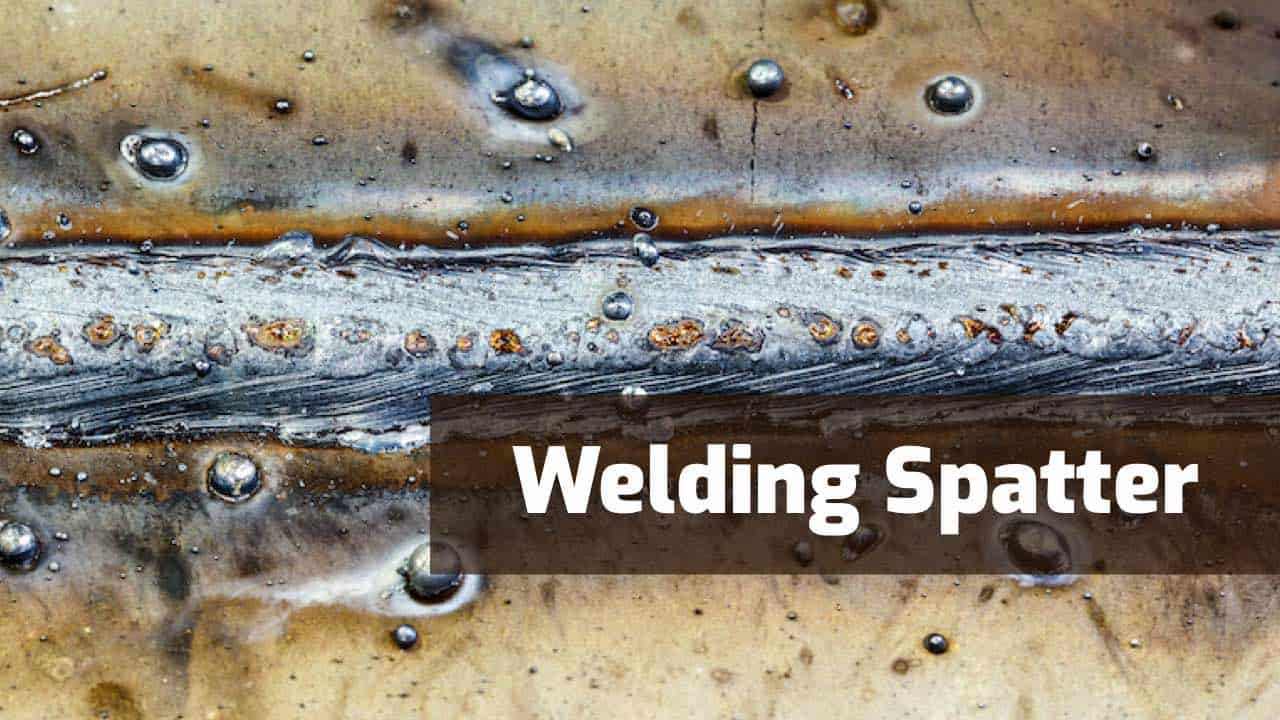
Credit: weldguru.com
Table: Effectiveness Of Common Spatter Removal Methods
| Method | Best For | Surface Damage Risk | Speed |
|---|---|---|---|
| Chipping Hammer | Heavy, cooled spatter | Medium | Moderate |
| Chemical Remover | Large areas, delicate surfaces | Low | Fast |
| Wire Brush | Light, fresh spatter | Low | Fast |
| Peening | Precision spots | Very Low | Slow |
| Specialized Tools | Professional finish | Very Low | Fast |
Common Mistakes To Avoid
- Using excessive force: Prying or hammering too hard can dent or warp the metal.
- Skipping prevention: Not using anti-spatter spray leads to more work later.
- Ignoring safety gear: Chemicals and tools can be hazardous. Always wear gloves and eye protection.
- Letting spatter cool too long: Some methods work best while spatter is still warm.
- Using the wrong tool: Don’t use steel scrapers on soft metals or painted surfaces.

Credit: www.nortonabrasives.com
Extra Tips For Clean Results
- For aluminum, always use non-metallic tools to avoid scratching.
- Use a small amount of vegetable oil as a home anti-spatter agent in a pinch.
- If you’re welding thin sheet metal, prioritize chemical or manual methods over mechanical tools.
Frequently Asked Questions
How Do I Choose The Best Spatter Removal Method?
Choose based on your material, surface finish, and amount of spatter. For painted or finished metals, use chemical sprays or plastic tools. For heavy-duty steel, chipping hammers or wire brushes may work better.
Can I Use Vinegar Or Household Products To Remove Spatter?
Vinegar can help loosen light spatter on some metals, but it’s much less effective than commercial anti-spatter sprays. Always test in a small area first.
Is Anti-spatter Spray Safe For All Metals?
Most sprays are safe for steel and stainless steel. For aluminum or other sensitive metals, check the product label or use a spray designed for your material.
Will Removing Spatter Affect My Weld Quality?
If you use gentle, appropriate methods, spatter removal will not harm the weld. However, aggressive scraping or grinding can weaken the weld area or leave scratches.
Where Can I Learn More About Welding Safety And Spatter Control?
For detailed welding safety and spatter control guidelines, visit the American Welding Society. They offer resources and training for welders of all levels.
Removing weld spatter without grinding is not only possible—it’s often the smarter choice. By using the right tools and techniques, you’ll keep your projects looking sharp and extend the life of your metalwork. Remember, a little prevention goes a long way, and careful removal pays off in professional results.

Credit: www.chinaglassrepairkit.com