

Welding Automation Trends 2026
Welding is changing fast. As factories look for higher quality and lower costs, automation is becoming key. By 2026, experts expect the welding automation market to be worth over $25 billion. But it’s not just about robots replacing people. New trends like AI, collaborative robots, and smart sensors are shaping the future of welding. Companies that understand these trends can stay ahead and solve big challenges, from worker shortages to high defect rates.
This article explores the most important welding automation trends for 2026. You’ll see how technology is transforming the welding shop, what makes these changes possible, and where to focus if you want to keep up.
Key Welding Automation Trends For 2026
1. Rise Of Collaborative Robots (cobots)
Collaborative robots are designed to work safely with humans. Unlike traditional robots, cobots have sensors and smart software that allow them to stop if a person gets too close. This makes them ideal for small shops and mixed tasks.
By 2026, the use of cobots in welding will likely double. Companies like Universal Robots and FANUC are making cobots that are easy to program and move. These machines can handle repetitive welds, while skilled workers focus on complex jobs.
Non-obvious insight: Many shops use cobots to handle short production runs. This reduces setup time and makes automation affordable for smaller orders.
2. Ai-powered Welding
Artificial intelligence is changing how welding robots work. AI can adjust welding parameters in real time, based on sensor data. This leads to fewer defects and better weld quality.
For example, AI systems can detect a gap or change in the metal and instantly change the heat or speed. This means fewer manual checks and less wasted material.
Data: A study by MarketsandMarkets found that AI-based welding systems can reduce defects by up to 30% compared to traditional automation.
3. Smart Welding Sensors
Sensors are getting better and cheaper. Smart sensors now track heat, arc length, gas flow, and even the shape of the weld bead. This data helps robots make quick adjustments and avoid mistakes.
By 2026, most new welding robots will have built-in sensors that send data to the cloud. Managers can then spot problems early, even from another location.
Practical tip: If you’re upgrading, look for robots with open sensor platforms. This will let you add new types of sensors as your needs change.
4. Digital Twins And Simulation
A digital twin is a virtual copy of a welding cell. You can use it to test changes before you try them on the shop floor. By 2026, digital twins will become common in automated welding.
Engineers can simulate new welds, spot problems, and train workers in a virtual space. This saves time and avoids costly mistakes.
Example: Automotive factories use digital twins to plan robot paths, check for collisions, and optimize welding speed.
5. Cloud-based Welding Management
Cloud software is helping companies track welding jobs in real time. By 2026, more than 50% of large manufacturers will use cloud-based welding management systems.
These tools show machine status, quality trends, and maintenance needs on a dashboard. Managers can see all plants from one screen, making it easier to improve productivity.
Non-obvious insight: Small and medium shops can also use cloud systems, often paying a low monthly fee instead of buying expensive software.
Comparing Key Welding Automation Solutions
Here’s how popular welding automation technologies stack up for 2026:
| Technology | Main Benefit | Common Use | Best for |
|---|---|---|---|
| Cobots | Safe human-robot teamwork | Short runs | Job shops, mixed tasks |
| AI Robots | Real-time adjustment | High-volume, critical welds | Auto, aerospace |
| Sensor Systems | Quality monitoring | Any weld process | All industries |
| Digital Twins | Simulation & training | Process planning | Large factories |
| Cloud Software | Centralized management | Job tracking | Multi-site operators |
Benefits And Challenges
Major Benefits
- Higher Productivity: Automation lets companies weld more parts with fewer errors.
- Better Quality: Real-time data cuts defects and improves consistency.
- Lower Costs: Fewer mistakes mean less wasted material and less rework.
- Workforce Relief: Robots help with hard-to-fill jobs, especially in countries facing labor shortages.
Key Challenges
- High Upfront Cost: Many systems cost $50,000 or more to install.
- Skilled Staff Needed: Workers must be trained to program and maintain robots.
- Integration Issues: Connecting old machines to new systems is often hard.
Cost Comparison: Manual Vs. Automated Welding
To see why companies invest in automation, compare costs over five years:
| Factor | Manual Welding | Automated Welding |
|---|---|---|
| Initial Setup | $10,000 | $70,000 |
| Annual Labor | $40,000 | $10,000 |
| Maintenance (per year) | $2,000 | $5,000 |
| Defects/Rejects | 2-5% | 0.5-1% |
Insight: Even with higher startup costs, automation can pay off in less than three years due to labor savings and fewer defects.

Credit: pemamek.com
Common Mistakes When Automating Welding
- Underestimating Training: Many companies forget that staff need new skills to run robots. Plan for at least one week of training.
- Ignoring Maintenance: Robots need regular care. Skipping maintenance leads to breakdowns and lost production.
- Over-automating: Don’t automate every weld. Some jobs are still best done by hand, especially prototypes or repairs.
Real-world Example
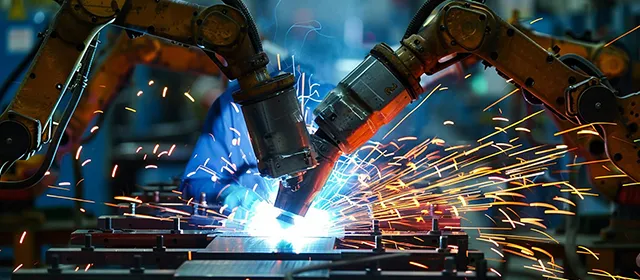
A US-based truck part maker used cobots for repetitive welding. In one year, their weld defect rate dropped from 4% to 1%. Worker injuries also fell by 60%, as robots took over dangerous lifting. The company invested $120,000 in equipment but saved $75,000 per year in labor and scrap costs.
Credit: www.kingsresearch.com
Preparing For Welding Automation In 2026
If you want to benefit from these trends, start by:
- Reviewing which welds are slow or error-prone
- Talking to workers about which tasks are most repetitive
- Testing a small automation project before scaling up
- Choosing equipment that can grow with your needs
Investing in the right technology now can help you stay ahead as the industry changes.
For more detailed data on welding automation, see the Grand View Research report.
Frequently Asked Questions
What Is Welding Automation?
Welding automation uses machines and computers to handle welding tasks. Robots, sensors, and software help make welds faster, safer, and with fewer errors.
How Do Cobots Differ From Traditional Welding Robots?
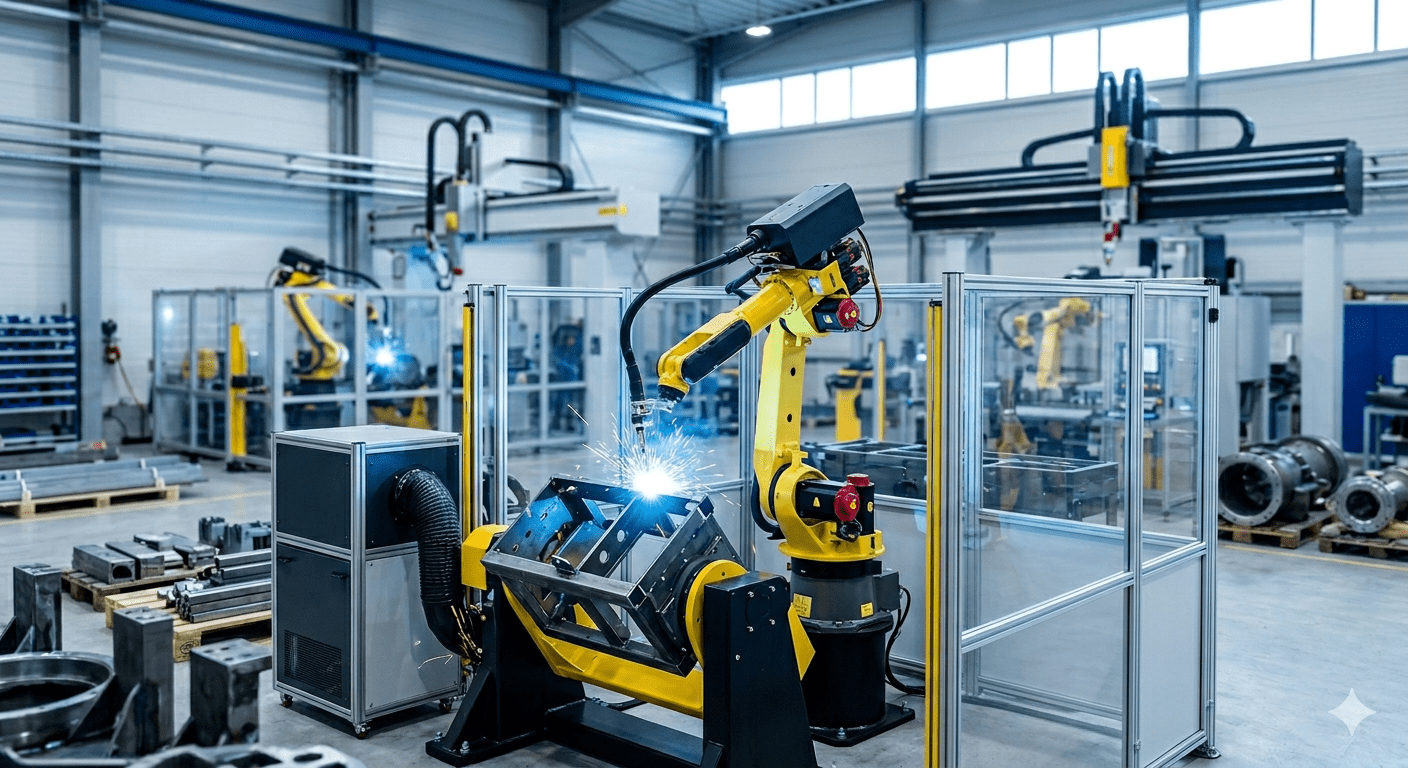
Cobots are designed to work safely with humans nearby. They have sensors that detect people and stop if something is wrong. Traditional robots usually work behind safety fences and cannot sense humans.
Is Welding Automation Only For Big Factories?
No. Today, small and medium shops can use affordable cobots and cloud software. Automation is now possible even for short runs or custom jobs.
What Skills Do Workers Need For Automated Welding?
Workers need basic robot programming, troubleshooting, and maintenance skills. Most systems have user-friendly interfaces, but training is still important.
How Fast Can A Company See A Return On Investment?
Most companies see a return within 2–4 years. Savings come from lower labor costs, fewer defects, and higher output.
Welding automation is moving quickly. By following these trends, you can boost quality, cut costs, and prepare your business for the future.
Credit: cubuilt.com