
Welding is a skill that shapes the world around us. From building bridges to repairing cars, welders play a vital role in construction and manufacturing. Many people wonder, how much do welders make? The answer depends on several factors, including experience, location, industry, and certifications. This article gives a clear look at welder salaries, the key factors that influence pay, and practical advice for those interested in this career.
Average Salary For Welders
In the United States, the average salary for welders varies by source, but most report numbers between $40,000 and $50,000 per year. According to the U.S. Bureau of Labor Statistics, the median annual wage for welders, cutters, solderers, and brazers was $47,010 in 2026. Hourly rates typically range from $18 to $25 per hour for general welding jobs.
However, beginners often earn less. Entry-level welders can expect about $33,000 to $36,000 per year, while highly experienced welders or those in specialized fields can earn over $60,000 annually. Here’s a quick comparison:
| Experience Level | Annual Salary | Hourly Rate |
|---|---|---|
| Entry-Level | $33,000 – $36,000 | $15 – $17 |
| Mid-Level | $40,000 – $50,000 | $20 – $25 |
| Experienced | $55,000+ | $27+ |
Factors That Affect Welder Pay
Location
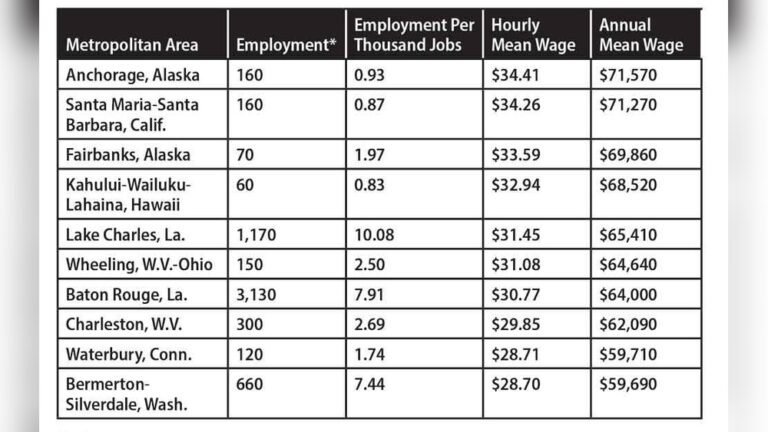
Where you work matters a lot. Welders in states like Alaska, Wyoming, and North Dakota often earn more because of higher demand and tougher conditions. In cities with big construction projects, pay can also be higher.
| State | Average Annual Salary |
|---|---|
| Alaska | $65,000 |
| Texas | $48,000 |
| California | $52,000 |
| Florida | $43,000 |
Industry
Welders work in many industries, from construction to oil and gas. Some fields pay much more than others. For example, welders in oil pipelines and shipyards can earn far higher salaries than those in small repair shops.
| Industry | Average Annual Salary |
|---|---|
| Oil & Gas | $60,000 |
| Shipbuilding | $58,000 |
| Automotive Repair | $42,000 |
| Manufacturing | $45,000 |
Certifications And Skills
Having extra certifications can boost your pay. For example, a welder with an AWS (American Welding Society) certification often earns more. Specialized skills like underwater welding, pipe welding, or robotic welding can also increase salary.
Experience
As with most jobs, more experience usually means higher pay. A welder with 10 years of experience will almost always earn more than someone just starting out.

Credit: www.bls.gov
Types Of Welding And Their Pay
Not all welding is the same. Some types require special training and offer better pay:
- Pipe welders: Often work in oil and gas; can earn $60,000 or more.
- Underwater welders: Highly specialized; salaries can reach $100,000, but jobs are risky and require strong swimming skills.
- Industrial welders: Work in factories; average $50,000.
- Structural welders: Build bridges and buildings; pay varies, often $45,000–$55,000.
Many beginners overlook that some jobs, like underwater welding, may offer high pay but also come with dangerous conditions and strict requirements.
Common Mistakes When Estimating Welder Salaries
A few errors are common among people new to the welding field:
- Ignoring overtime: Many welding jobs pay overtime, which can boost total income. Not counting this can make salaries look lower.
- Assuming all welders earn the same: Industry, location, and skill level matter greatly. Two welders in different states or fields may earn very different amounts.
- Overestimating starting pay: Entry-level jobs usually pay less. It takes time and experience to reach higher salaries.
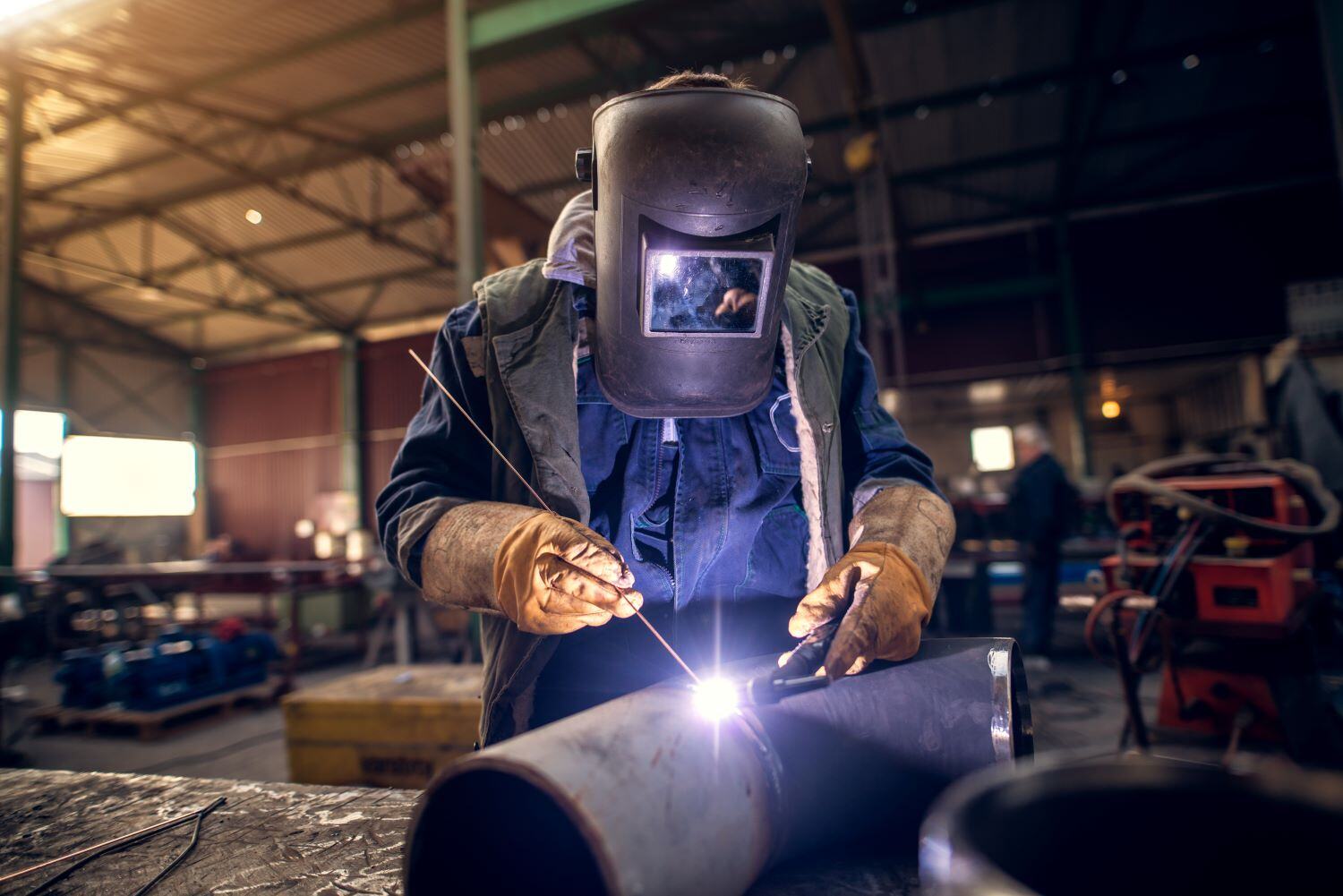
Credit: lgresources.com
Tips For Increasing Your Salary As A Welder
If you want to earn more as a welder, consider these steps:
- Get certified: Certifications from organizations like AWS are respected and can lead to better jobs.
- Learn new skills: Try to master specialized welding types, such as TIG or MIG welding.
- Move to high-paying areas: Look for jobs in states or cities where welders earn more.
- Work in demanding industries: Oil and gas, shipbuilding, and construction often pay more than small repair shops.
- Take overtime: If possible, accept overtime shifts. This can quickly increase your total income.
A non-obvious tip: Many welders boost their income by freelancing or taking short-term contracts in remote areas. These jobs often pay more, but may require travel and living away from home.
Real-life Examples
Let’s look at a few real-world stories:
- Miguel, a welder in Texas, started at $16 per hour but grew to $25 per hour after gaining AWS certification and working in oil and gas.
- Lisa moved from Florida to Alaska for a shipyard job, earning $62,000 per year plus overtime.
- John worked as an underwater welder for six months, earning over $50,000 in that short time. He mentions the work is tough and risky, but pay is high.
These examples show that with effort, training, and smart choices, welders can earn much more than the average.
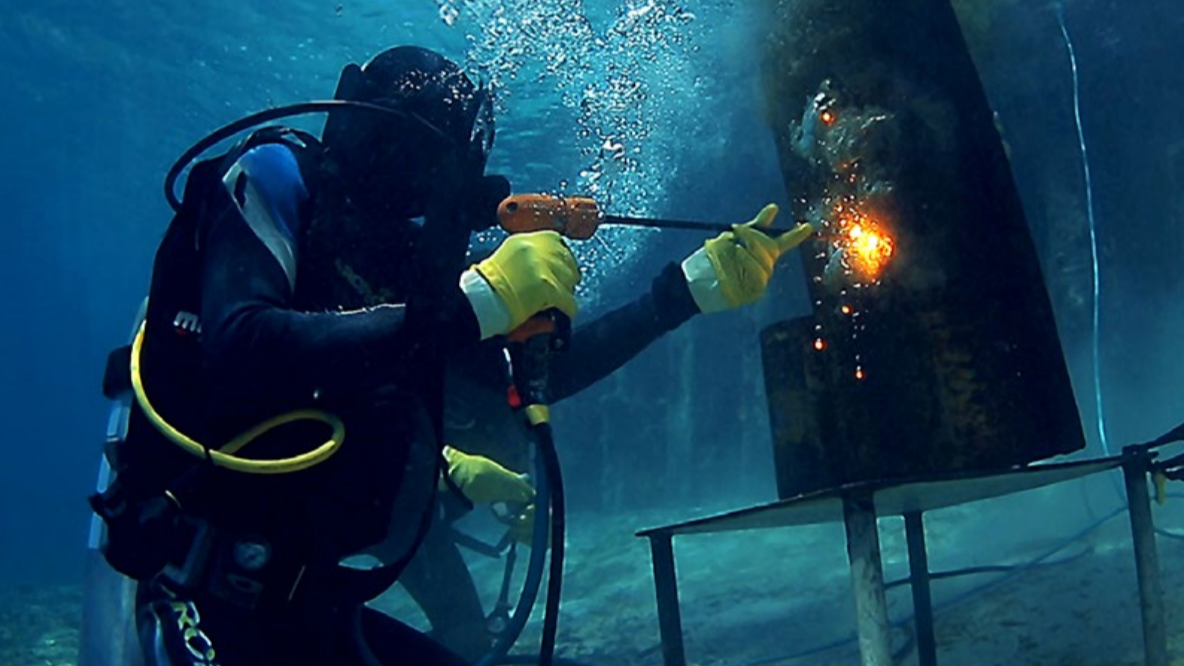
Credit: www.arccaptain.com
Frequently Asked Questions
How Much Do Welders Make Per Hour?
Most welders earn $18 to $25 per hour in the U.S. Entry-level positions may start at $15 per hour, while highly skilled welders can make $30 or more. Overtime and special projects can increase hourly rates.
Do Welders Get Paid Overtime?
Yes, many welding jobs pay overtime—usually at 1.5 times the regular rate. Overtime can make a big difference in annual earnings, especially in industries with long work hours.
What Is The Highest-paying Welding Job?
Underwater welding is often the highest-paying, with annual salaries reaching $100,000 or more. However, these jobs are rare, dangerous, and require special training.
Can Welders Make Six Figures?
Some welders, especially those in high-risk or specialized fields like underwater welding or remote oil pipelines, can earn six figures. Most welders do not, but it is possible with experience, certifications, and the right industry.
Is Welding A Good Career For Beginners?
Welding can be a good career if you like hands-on work and are willing to train. The pay starts lower but can grow quickly. Certification and learning new skills are important for higher salaries.
Welding is a profession with real earning potential. Salaries depend on many factors, including location, industry, certifications, and experience. By making smart choices and continuing to learn, welders can find opportunities for growth and higher income. For more detailed wage information, visit the U.S. Bureau of Labor Statistics.