
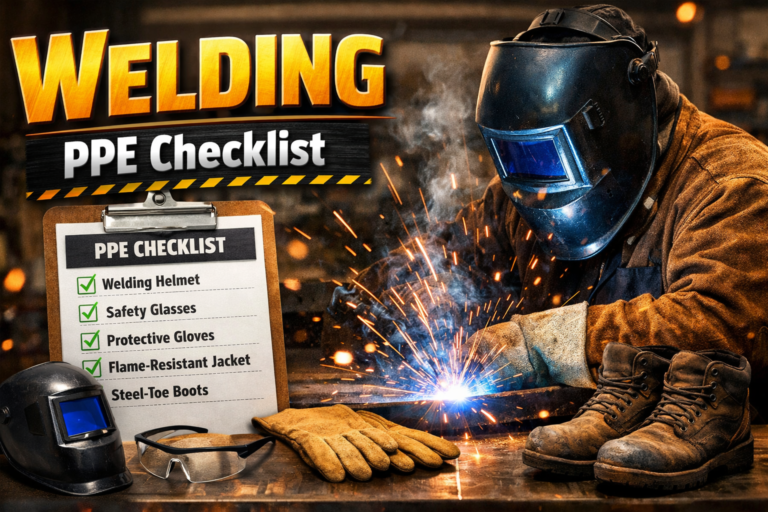
Welding is a risky job. Sparks fly, metals heat up, and fumes fill the air. Without the right protection, welders face serious dangers—from burns to eye damage and lung problems. Whether you’re a new welder or an experienced professional, wearing proper welding PPE (Personal Protective Equipment) is the first step to staying safe. This checklist will help you understand exactly what you need, why it matters, and how to choose the right gear. Let’s break down each item so you can weld with confidence and protect yourself every time.
Essential Welding Ppe Checklist
Every welder needs a complete set of PPE. Missing just one piece can lead to injury or even long-term health issues. Here are the must-have items:
1. Welding Helmet
Protects your eyes and face from sparks, UV radiation, and intense light. Modern helmets feature auto-darkening lenses, which adjust instantly when you strike an arc.
2. Safety Glasses
Worn under the helmet, they guard against flying debris and harmful rays. Choose glasses with side shields for extra coverage.
3. Welding Gloves
Heavy-duty, heat-resistant gloves shield your hands from burns and cuts. Look for gloves made from leather or specialized materials.
4. Flame-resistant Jacket
Covers your upper body, preventing burns from sparks and molten metal. Jackets should be made from leather or fire-retardant fabric.
5. Respirator
Protects your lungs from hazardous fumes and dust. For most welding jobs, a half-mask respirator with P100 filters is recommended.
6. Ear Protection
Earplugs or earmuffs help prevent hearing loss from noisy equipment and shield your ears from flying sparks.
7. Welding Boots
Steel-toe, high-top boots safeguard your feet from falling objects and hot metal. Non-slip soles are important in wet or oily environments.
8. Welding Pants
Pants should be flame-resistant and cover your legs fully. Never wear shorts while welding.
9. Welding Cap Or Bandana
Worn under the helmet, these protect your scalp from heat and stray sparks.
10. Face Shield
Used for grinding and cutting, it offers extra protection beyond the welding helmet.
Even experienced welders sometimes skip items like respirators or ear protection. This is a mistake, as fumes and noise can cause long-term health problems.
Comparing Ppe Materials And Features
Choosing the right PPE means understanding the materials and features. Here’s a quick comparison:
| PPE Item | Material | Key Features |
|---|---|---|
| Helmet | Polycarbonate | Auto-darkening, UV protection |
| Gloves | Leather | Heat resistance, cut protection |
| Jacket | Leather/FR Cotton | Flame resistance, durability |
| Respirator | Silicone/Plastic | P100 filters, adjustable straps |
| Boots | Leather/Steel toe | Slip-resistant, impact protection |
For helmets, auto-darkening models cost more but offer better protection and comfort. Leather gloves last longer than cotton but can be heavier. Flame-resistant jackets reduce burn risk, while standard cotton can ignite easily.
Ppe Fit And Maintenance
The best PPE is only effective if it fits well and is properly maintained. Ill-fitting gear can leave gaps and expose skin to hazards.
| PPE Item | Signs of Poor Fit | Maintenance Tips |
|---|---|---|
| Helmet | Slides off, loose straps | Clean lens, check straps |
| Gloves | Too tight/loose, gaps at wrist | Inspect for holes, replace often |
| Jacket | Rides up, sleeves too short | Wash with FR detergent |
| Respirator | Leaks, poor seal | Change filters regularly |
| Boots | Pinching, slipping | Check soles, keep dry |
A common mistake is forgetting to check PPE before use. Damaged gloves or dirty helmets can reduce protection. Always inspect your gear and replace worn-out items.
Common Ppe Mistakes And How To Avoid Them
Welders often make errors that increase risk:
- Skipping PPE in hot weather: Heat is uncomfortable, but skipping jackets or gloves can lead to burns.
- Using regular clothes: Normal cotton shirts and jeans can catch fire. Always use flame-resistant materials.
- Wearing open footwear: Sandals or sneakers expose feet to hot metal. Only use welding boots.
- Ignoring respirators: Fumes may not be visible, but they are dangerous. Use a respirator even for short jobs.
To avoid these mistakes, create a PPE checklist and review it before every job. Supervisors should enforce PPE rules and provide training.
Real-world Data And Examples
The importance of PPE is backed by statistics. According to the US Bureau of Labor Statistics, over 4,000 welding-related injuries are reported annually. Most injuries involve burns, eye damage, or respiratory problems. For example, a welder in Ohio suffered permanent lung damage after welding without a respirator for several months.
Many companies now require full PPE for all welders. This includes mandatory helmet, jacket, gloves, boots, and respiratory protection. Regular audits help ensure compliance and reduce accidents.
Frequently Asked Questions
What Is The Most Important Ppe For Welding?
The welding helmet is critical because it protects your eyes and face from burns and harmful light. However, all PPE items work together for full safety.
How Often Should I Replace Welding Gloves?
Replace welding gloves when you see holes, burns, or thinning material. Most gloves last 1–3 months with regular use.
Are Safety Glasses Needed Under The Helmet?
Yes, safety glasses should be worn under the helmet. They offer extra protection from flying debris and unexpected sparks.
Can I Use Regular Clothes For Welding?
Never use regular clothes. Only flame-resistant jackets and pants are safe. Normal fabrics can catch fire quickly.
Do I Need A Respirator For All Welding Jobs?
Yes, a respirator is recommended for most welding tasks. Fumes and dust can cause long-term health issues, even in well-ventilated areas.
Welding is a rewarding job, but safety comes first. Using a complete PPE checklist prevents injuries and ensures you can work confidently. Always check your gear, follow safety guidelines, and stay updated on best practices. For more details, see the official OSHA guidelines at OSHA Welding Safety. Stay safe and weld smart—your health depends on it.