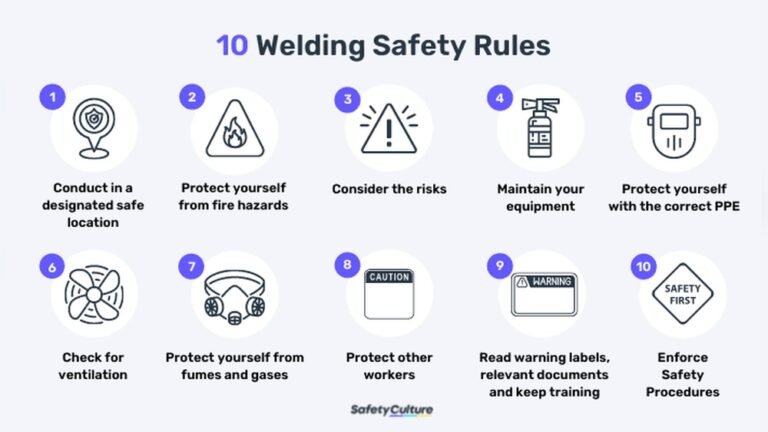
Welding is an essential skill in construction, manufacturing, and repairs. But it also brings serious risks. Every year, thousands of injuries happen because basic safety rules are ignored. From burns to eye damage, the dangers can be life-changing. The good news? Most welding accidents are preventable if you follow the right steps and understand the risks. This guide will help you stay safe, whether you’re new to welding or have years of experience.
Essential Personal Protective Equipment (ppe)
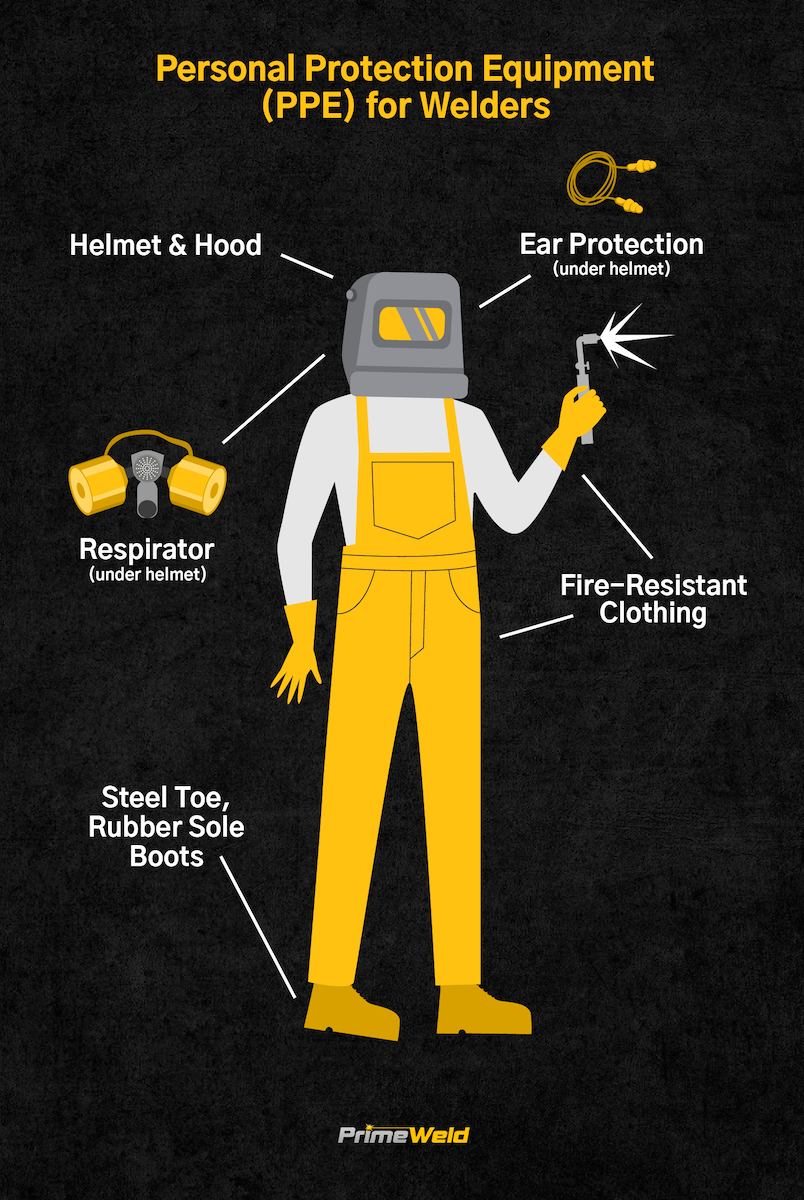
Welding exposes you to sparks, ultraviolet (UV) light, and hot metal. The right PPE acts as your shield.
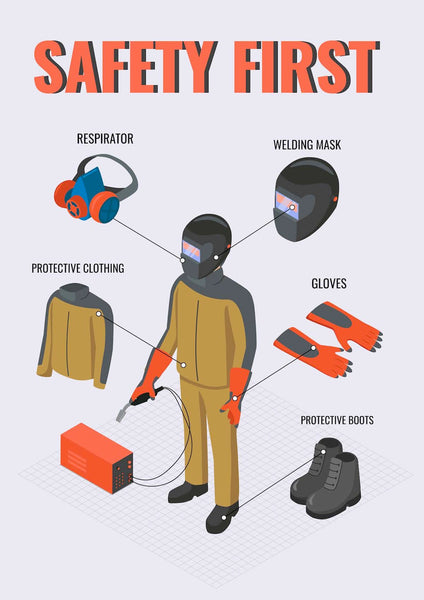
- Welding helmet: Protects your eyes and face from UV rays, sparks, and debris. Choose one with the right shade for your process.
- Gloves: Use heavy-duty, heat-resistant gloves. Standard work gloves won’t protect you from burns.
- Jacket and pants: Wear flame-resistant clothing, such as leather or treated cotton. Avoid synthetic fabrics—they can melt onto your skin.
- Boots: High-top leather boots protect your feet from falling sparks and molten metal.
- Respirator: Some welding processes create harmful fumes. Use a respirator if you’re working in a poorly ventilated area.
Beginner tip: Many new welders forget ear protection. Sparks can travel into your ears and cause burns, so use earplugs or earmuffs in noisy or high-spark environments.
Preparing The Work Area
A clean, organized workspace is safer and more efficient.
- Remove flammable materials: Papers, gasoline, paint, and even dust can ignite from a single spark.
- Keep a fire extinguisher nearby: Make sure it’s rated for electrical and metal fires.
- Check ventilation: Proper airflow removes harmful fumes. If possible, weld outdoors or use exhaust fans.
- Organize tools: Clutter causes trips and delays. Keep your tools within easy reach.
Many accidents happen when people rush or skip cleaning up. Take time to prepare—the few extra minutes can prevent serious injuries.
Credit: primeweld.com
Electrical And Gas Safety
Electricity and gas are a part of most welding jobs. Mishandling them can cause shocks, explosions, or fires.
Electrical Safety
- Inspect cables and connections for damage before each use.
- Make sure your equipment is properly grounded.
- Never weld in wet or damp conditions—moisture increases the risk of electric shock.
Gas Safety
- Store gas cylinders upright and secure them with a chain.
- Open valves slowly and check for leaks using soapy water (never a flame).
- Keep cylinders away from heat and direct sunlight.
Here’s a quick comparison of common welding gases and their main hazards:
| Gas Type | Main Risk | Storage Tip |
|---|---|---|
| Oxygen | Fire/explosion | Keep away from oil/grease |
| Acetylene | Explosion | Store upright |
| Argon | Asphyxiation | Ventilate area |
Non-obvious insight: Even a small gas leak can build up quickly in a closed room, causing suffocation or an explosive atmosphere. Always check for leaks before starting.
Eye And Skin Protection
The light from welding arcs is much brighter than the sun. One unprotected glance can cause “arc eye,” a painful injury.
- Use a helmet with the right shade filter (check your welder’s manual).
- Wear safety glasses under your helmet as extra protection from flying particles.
- Cover all exposed skin. UV burns can happen even if you don’t feel heat.
Here’s a look at different helmet shade numbers and when to use them:
| Process | Recommended Shade |
|---|---|
| MIG Welding | 10-13 |
| TIG Welding | 8-13 |
| Stick Welding | 10-12 |
| Plasma Cutting | 8-10 |
Beginner mistake: Many people only protect their eyes but forget their arms or neck. Always check for exposed skin before starting.
Credit: yeswelder.com
Safe Welding Habits
Building good habits is key for long-term safety.
- Inspect equipment before every use. Look for loose wires, cracks, or missing parts.
- Never weld alone. If possible, have someone nearby in case of emergency.
- Take breaks. Fatigue leads to mistakes. Rest and hydrate regularly.
- Store equipment safely. Unplug machines and close gas valves after work.
- Stay alert. Loud noises, heat, and fumes can make you less aware—don’t rush.
Here’s a comparison of common welding mistakes and safer choices:
| Mistake | Safer Choice |
|---|---|
| Wearing shorts | Full-length pants |
| Ignoring equipment checks | Daily inspections |
| Welding near flammable items | Clear work area |
Non-obvious insight: Many injuries happen at the end of a shift, when people are tired or in a hurry. Slow down and follow your checklist every time.
First Aid And Emergency Planning
Accidents can still happen, even with the best planning. Know what to do if something goes wrong.
- Burns: Cool with running water for at least 10 minutes. Do not use ice or creams.
- Eye injuries: Seek medical help immediately if you experience pain or vision changes.
- Electric shock: Turn off the power and call for emergency help.
Keep a fully stocked first aid kit nearby and make sure everyone knows where it is. Review emergency exits and contact numbers before starting work.
For more detailed safety standards, visit the OSHA Welding Safety page.

Credit: www.safetypostershop.com
Frequently Asked Questions
What Is The Most Important Ppe For Welding?
The welding helmet is most critical because it protects your eyes and face from intense light, sparks, and debris. Without it, you risk severe burns and vision loss.
Can I Weld In Shorts Or A T-shirt?
No. Always wear flame-resistant clothing that covers your arms and legs. Exposed skin can get burned quickly from sparks or UV light.
Why Is Ventilation Important When Welding?
Welding produces dangerous fumes that can harm your lungs. Good ventilation removes these fumes and reduces the risk of long-term health problems.
How Often Should I Check My Equipment?
Inspect your welding equipment before every use. Look for damaged cables, loose connections, and leaks. Regular checks prevent many accidents.
What Should I Do If I Get A Welding Burn?
Cool the burn with running water for at least 10 minutes. Do not use ice. Cover the area with a clean cloth and get medical help if the burn is serious.
Welding is a powerful and rewarding skill, but it comes with real risks. By following these safety tips and building smart habits, you can protect yourself and those around you. Remember, no project is worth risking your health—safety always comes first.